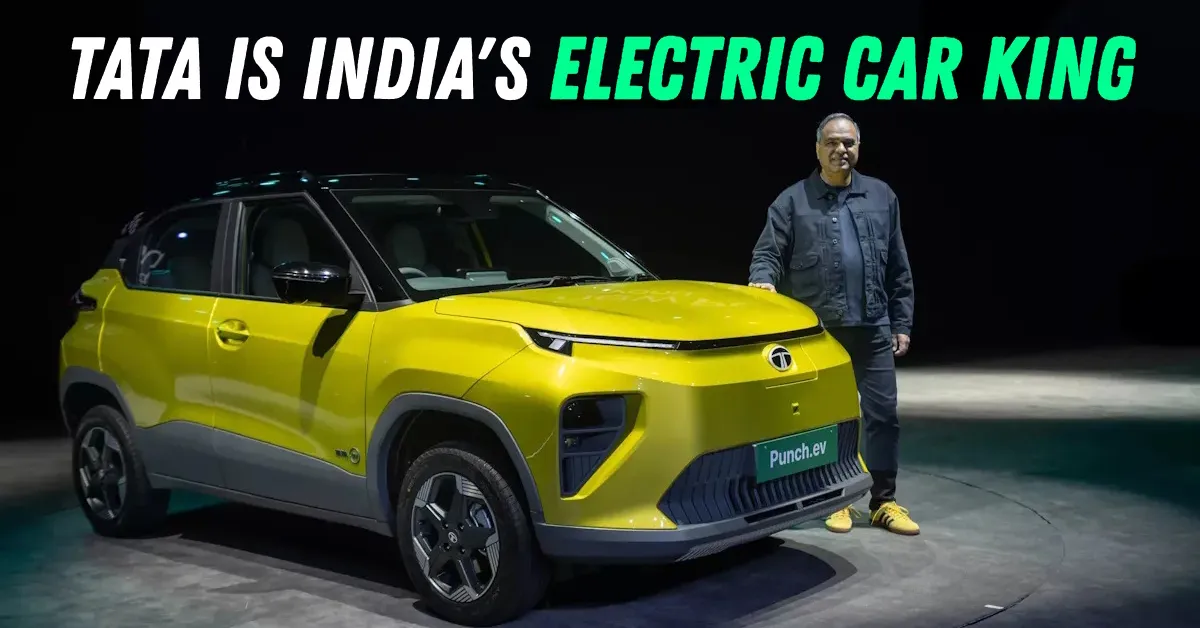
Tata Motors remains the default leader of the electric-car market, and August 2026 made the scale of that lead unusually clear. Tata registered 13,158 electric cars during the month, giving it 43.8 percent of the EV market.
The entire electric-car market recorded 30,051 registrations in August, up 53.1 percent from 19,629 a year earlier, although volumes fell 11.1 percent from July. Tata alone therefore accounted for nearly 44 of every 100 electric cars registered.

Mahindra finished second with 6,464 EV registrations, up 56.2 percent year on year. Its market share stood at 21.5 percent.

JSW MG Motor remained third with 4,622 registrations and 15.4 percent share. Unlike Tata and Mahindra, however, MG’s volume fell 17.8 percent from August 2025 and 22.2 percent from July. Together, Tata, Mahindra and MG controlled 80.7 percent of the electric-car market.
Tata’s advantage comes partly from having EVs across several price and size bands. Its portfolio includes the Tiago EV, Punch EV, Nexon EV, Curvv EV and Harrier EV.
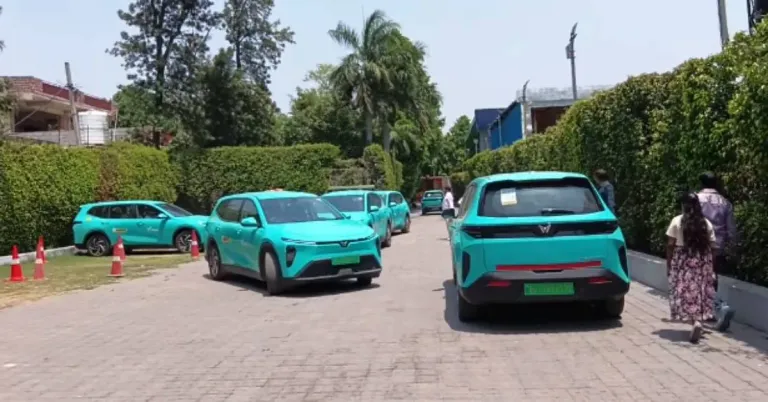
The Vietnamese manufacturer registered 2,199 EVs, up 43.5 percent from July, and moved into fourth place with 7.3 percent market share.
That put it ahead of Maruti Suzuki, which registered 1,412 eVitaras and held 4.7 percent of the EV market.
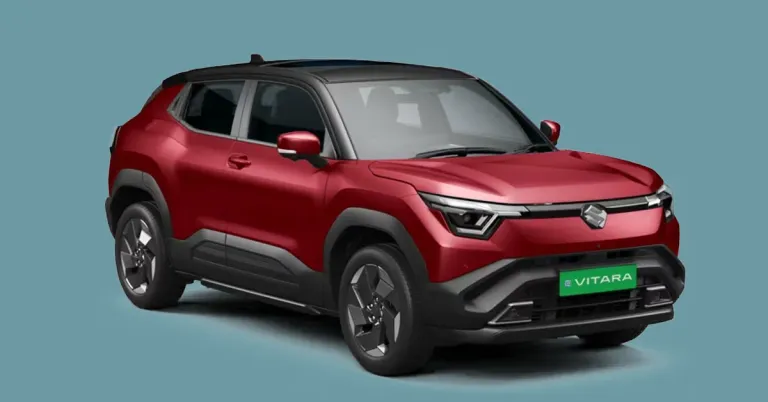
Maruti’s position needs context. It remains a new EV entrant and has also been allocating substantial eVitara production to exports. Its domestic EV volume therefore does not yet resemble its scale in petrol and CNG cars.
Hyundai ranked sixth with 803 registrations, up 17.1 percent year on year and 35.2 percent over July. Its current EV range includes the Creta Electric and Ioniq 5. Kia followed with 645 units, helped by the addition of the Syros EV alongside the Carens Clavis EV and its imported premium EVs.
The ranking was Tata Motors at 13,158 units, Mahindra at 6,464, MG at 4,622, VinFast at 2,199 and Maruti Suzuki at 1,412. Hyundai took sixth with 803, followed by Kia with 645 and BYD with 543. Toyota registered 161 Urban Cruiser Ebella units to finish ninth, while Citroen completed the top ten with 44 electric cars.
The numbers also show how quickly the competitive order can change below the top three. VinFast has already overtaken Maruti, while Hyundai and Kia are adding volume from newer locally relevant products.
The Maruti comparison works because of market share, not because the two businesses are identical. Maruti controls roughly two-fifths of the overall passenger-vehicle market. Tata’s 43.8 percent EV share in August is similar, but the electric market is far smaller and changing much faster.
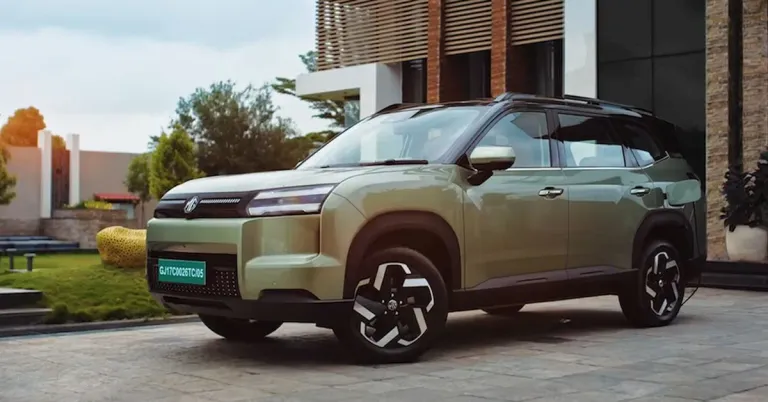
Mahindra now has the BE 6, XEV 9e and XEV 9S. MG remains strong through the Windsor EV and other electric models like the just-launched Hector TomaHawk. Maruti is ramping up the eVitara, while VinFast has demonstrated that a new entrant can move into fourth place quickly.
August also showed that Tata is not simply holding on to an old lead. Its registrations grew 63.2 percent year on year, faster than the EV market’s 53.1 percent growth. For now, the ranking is unambiguous. Tata sells more than twice as many electric cars as Mahindra, nearly three times as many as MG and more than nine times as many as Maruti.