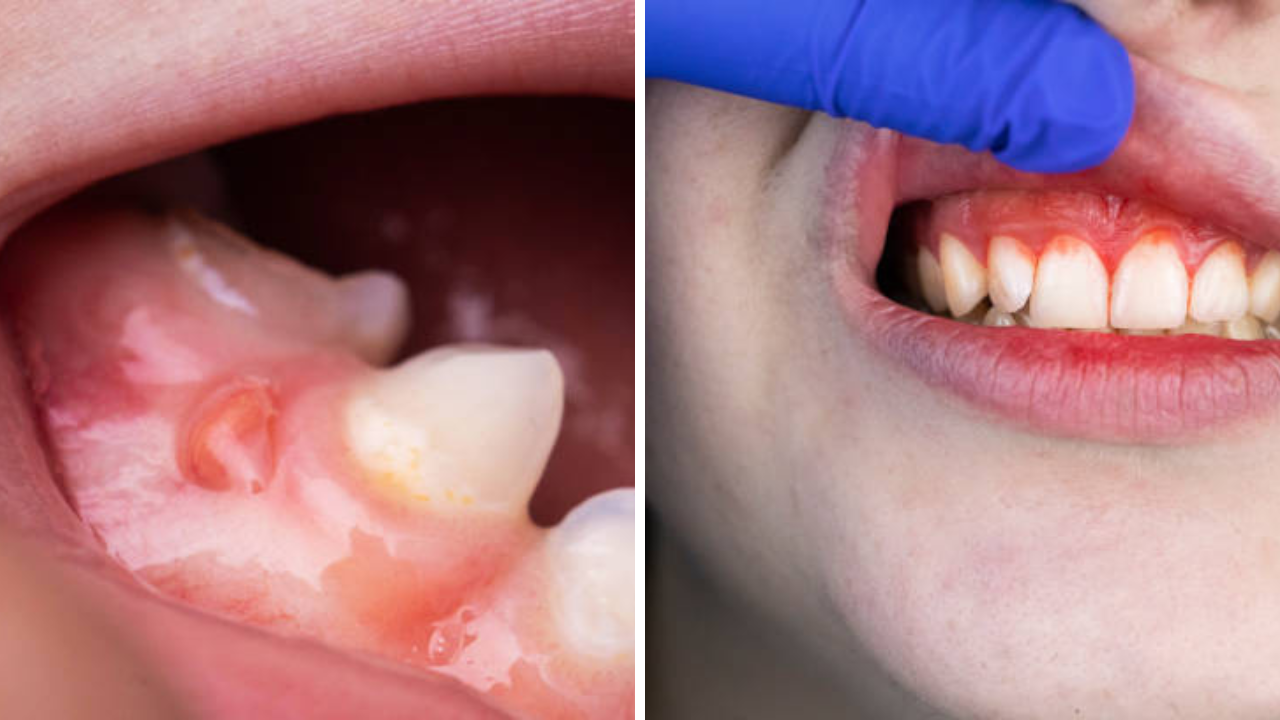
- Most people develop wisdom teeth in their late teens, and eating and drinking can be painful until they appear.
- How to identify gum and wisdom teeth problems
- What exactly is the gap, experts say
Teeth Infection: If you experience a sudden pain or swelling in the back of your jaw, many people mistake it for wisdom teeth pain. However, common sense is not always the cause. Sometimes, this problem can be caused by plaque and bacterial infection in the gums.
Both conditions can have similar symptoms, such as pain and swelling, so it's important to distinguish between them. Wisdom teeth, or third molars, usually appear in your early twenties or late teens. If they don't get enough room or don't come out completely, it can cause pain, food particles, and infection in the surrounding gums.
Why do wisdom teeth pain and gum infection occur?
of the American Dental Association However, the treatment for both problems is not the same. Wisdom teeth problems require a careful examination to determine if the molar is moving in the right direction, if it is stuck, and if there is any infection around it. On the other hand, gum disease can start with plaque and bacteria and progress to gingivitis or periodontitis.
Therefore, it is not always possible to determine the cause from the intensity of the pain alone. Symptoms such as dental condition, gingivitis, bleeding, pus, bad breath, and sore spots need to be considered together.
The black worm on the teeth will be destroyed forever! Try these home remedies to get rid of tooth decay
How can the location and nature of pain be different between the two?
This difference can aid in diagnosis, although the diagnosis cannot be made from symptoms alone.
- Wisdom tooth pain: According to the MayoClinicpain associated with wisdom teeth problems is usually felt in the back of the mouth, around the last molars. The pain may radiate to the ear, jaw, or surrounding area. If the wisdom tooth is partially erupted, there may be more swelling and pain in the area. Difficulty chewing or opening the mouth may occur, especially if there is significant swelling in the surrounding area
- Gum infection: According to the Cleveland Clinicgingival infection is not limited to a single wisdom tooth, but can occur in the gums of multiple teeth. Symptoms include bleeding when brushing or flossing, red or swollen gums, and bad breath. Severe gum disease can cause receding gums and loose teeth.
How to differentiate between wisdom teeth and gum infection”bullet-text”>Columbia College of Dental Medicine And other sources explain the difference between the two.
problem
Wisdom teeth trouble
Infection in the gums
hint
Common sense problem
Gum infection problem
pain point
Backmost side in the mouth
Around one or more teeth
Swelling of the gums
Near the last molar
in many places
Bleeding
Swelling may occur
General indications on brushing/flossing
bad breath
May occur in infection/pericoronitis
Gum disease is common
Problems opening the mouth
Pericoronitis may cause discomfort
No major symptom is observed
Food trapping
Removal of wisdom teeth is common
Plaque/food can get stuck in the tooth
| problem | Wisdom teeth trouble | Infection in the gums |
| hint | Common sense problem | Gum infection problem |
| pain point | Backmost side in the mouth | Around one or more teeth |
| Swelling of the gums | Near the last molar | in many places |
| Bleeding | Swelling may occur | General indications on brushing/flossing |
| bad breath | May occur in infection/pericoronitis | Gum disease is common |
| Problems opening the mouth | Pericoronitis may cause discomfort | No major symptom is observed |
| Food trapping | Removal of wisdom teeth is common | Plaque/food can get stuck in the tooth |
While wisdom teeth pain and gum infection can sometimes seem similar, their causes are different. Symptoms of pericoronitis include pain, swelling, bad taste in the mouth, and difficulty opening the mouth around the partially erupted wisdom teeth at the back of the mouth. Conversely, frequent bleeding gums, red and swollen gums, bad breath and, in severe cases, loose teeth can be symptoms of gum disease. If pain persists, swelling increases, or pus appears, do not rely solely on home remedies. A dental examination can reveal whether the problem is related to wisdom teeth, gum disease, tooth decay, pus infection, or any other dental problem.
Ayurvedic experts advise to use only 4 foods to get rid of pyorrhea from the teeth