TECHNOLOGY
From November 1, telecom users in India will see caller names on their mobile phones, enhancing call identification and user experience.

New Delhi, October 15 (Read) : The Department of Telecommunications (DoT) has mandated telecom operators to implement Caller Name Presentation (CNAP) service across all service areas starting November 1, 2026. This new feature will allow mobile users to view the name of the caller alongside the phone number when receiving incoming calls.
According to government guidelines, telecom service providers have already tested the CNAP service on wireless terrestrial networks operating on 4G and higher generation technologies. Eligible users will automatically receive this service without needing to make separate requests. The decision to implement CNAP on 2G, 3G, and public switched telephone networks will be reviewed separately in the future.
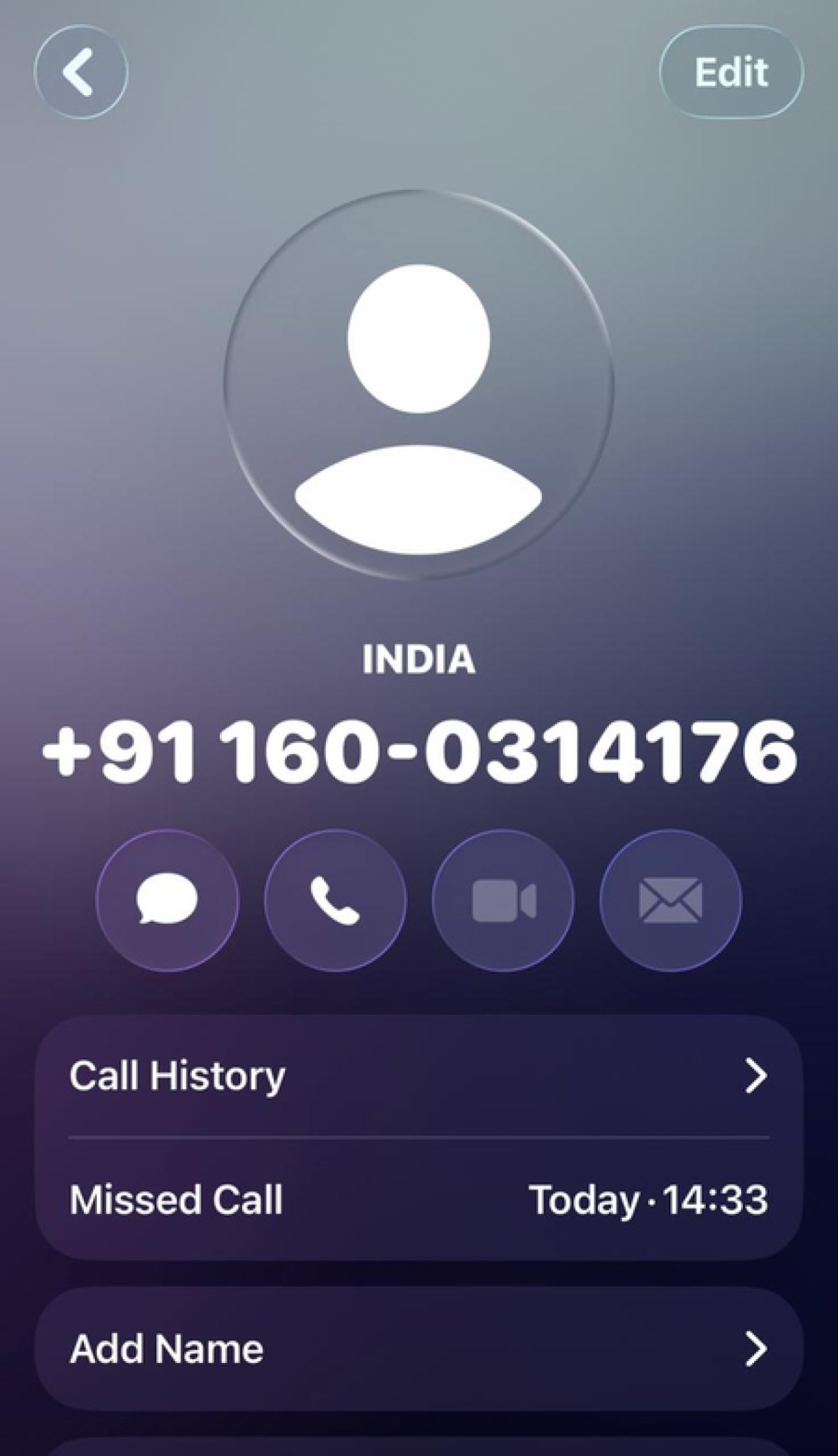
Under this new system, the caller’s name will be part of the Calling Line Identification (CLI). Currently, only the phone number is displayed. With the new arrangement, recipients will see two pieces of information on their mobile phones: the caller’s phone number and their name.
The name visible on the recipient’s screen will depend on whether the caller’s number is saved in the phone’s contact list. If the number is saved, the stored name will be displayed. If not, for domestic calls, the name will be shown based on the information registered in the telecom operator’s subscriber database. International calls will be identified simply as “International Call.”
This initiative is in accordance with Rule 48(1) of the Telecommunication (Authorization of Principal Telecommunication Services) Rules, 2026, which requires authorized entities to securely display Calling Line Identification and prevent tampering.
To ensure user privacy and network security, telecom operators must adopt a “security-by-design” approach. The guidelines specify that the information used to retrieve the caller’s name should not be retained after the call ends.
Operators are also required to ensure that their networks, databases, and connectivity infrastructure are capable of efficiently processing CNAP-related requests without compromising service quality.
In a move to assist businesses and high-volume callers, the guidelines allow them to display a preferred name instead of the one registered in the subscriber records. However, this preferred name must be a registered trademark in the trademark registry or a business name registered on the Goods and Services Tax (GST) portal.

Bhupendra Singh Chundawat is a seasoned technology journalist with over 22 years of experience in the media industry. He specializes in covering the global technology landscape, with a deep focus on manufacturing trends and the geopolitical impact on tech companies. Currently serving as the Editor at Readhis insights are shaped by decades of hands-on reporting and editorial leadership in the fast-evolving world of technology.