
Workers of textile factories demonstrated on Sunday in Dhaka, the capital of neighboring country Bangladesh. He is demanding increase in salary. Violence occurred at many places during the demonstration. In Mirpur area, protesters blocked the road and raised slogans against the government.
During this, stones were pelted at the police who were stopping the protesters from moving forward. A police vehicle was also set on fire. Even the police post of Ghazipur was set on fire.
Also read –BJP’s allegation, Congress trying to create situation like Bangladesh-Nepal
locks in factories
Work could not be done in factories due to absence of labourers. About 30 factories remained closed in Ashulia. The demand of the protesting workers is that their salaries should be increased. The current salary of Rs 9600 per month should be increased to Rs 23 thousand.
He says that even after working overtime, we get only Rs 14 to 15 thousand. It is difficult to run a household during this time. As inflation increases, salaries should also increase.
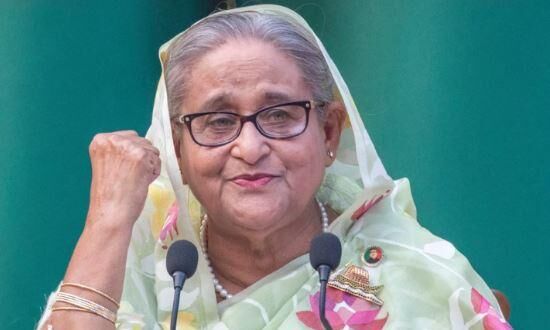 Also read –Kill me or arrest me, I will return to Bangladesh in December under any circumstances- Sheikh Hasina
Police used force
The protesting workers gathered at Mirpur Square-10 in the capital Dhaka on Sunday morning. They blocked the roads. After this there was a clash between the workers and the police. According to media reports, the workers also attacked the policemen. After this, the police retaliated and lathicharged them. Tear gas was used to control the crowd.
Protestors set fire to a police post in Konabari area of Ghazipur. After this, the administration deployed Border Guard Bangladesh (BGB) to handle the situation.
Let us tell you that about 40 lakh workers work in 4 thousand textile factories of Bangladesh. Bangladesh is the second largest exporter of clothes in the world after China. The clothes here are sold in more than 150 countries. According to Bangladesh Garment Manufacturers and Exporters Association, Bangladesh sold clothes worth about Rs 3.68 lakh crore to other countries in the financial year 2025-26.