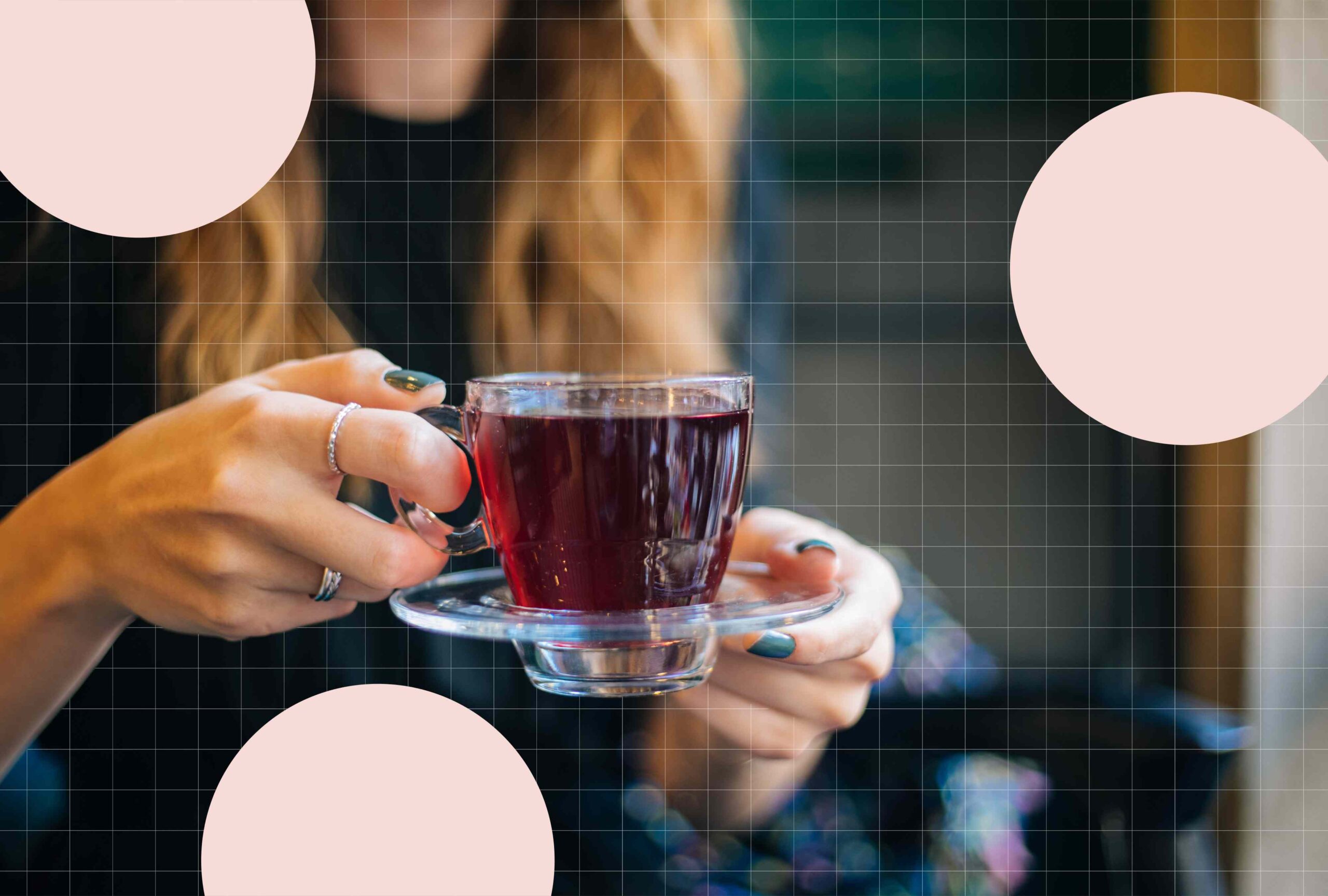
It just may be your new favorite nightcap.
Key Points
- Your evening habits can play an important role in managing your blood pressure levels.
- Dietitians recommend drinking unsweetened hibiscus tea after dinner to support your blood pressure.
- Limiting alcohol and following a heart-healthy diet can also support blood pressure.
High blood pressure often develops quietly over time, and your evening habits can play an important role in managing it. While no single beverage can replace a heart-healthy eating pattern, regular exercise or prescription medications, choosing the right blood pressure–friendly nightcap can support your overall efforts to manage blood pressure levels.
So, what’s the best after-dinner drink if you have high blood pressure? Experts say it’s unsweetened hibiscus tea. Naturally caffeine-free and rich in beneficial plant compounds, hibiscus tea supports not only your hydration needs but also, perhaps, your blood pressure goals. Below, dietitians explain why they recommend hibiscus tea as a smart after-dinner choice if you have high blood pressure.
Why We Love Hibiscus Tea If You Have High Blood Pressure
It Supports Overall Hydration
Hibiscus tea can be a great fluid option to help you stay hydrated, which matters for blood pressure management. Adequate hydration supports blood circulation and helps the kidneys maintain the balance of sodium and fluid that influences blood pressure.
“Long-term, increased fluid intake has been associated with lower blood pressure,” says Patricia Kolesa, M.S., RDN. “This likely relates to the fluid’s ability to increase blood volume, which lowers the load on your blood vessels,” she explains. Choosing unsweetened hibiscus tea can help you meet hydration goals, even when water sounds unappealing.
It’s Rich in Polyphenols
“Hibiscus tea is rich in polyphenols like flavonoids, which have been associated with lower blood pressure,” shares Kolesa. “These compounds help preserve nitric oxide, a molecule that signals blood vessels to relax and widen, which may help improve blood flow and pressure,” adds Michelle Routhenstein, M.S., RD, CDCES, CDN. In fact, research suggests that higher polyphenol intake may be associated with a reduced risk of high blood pressure.
Specifically, hibiscus polyphenols may also influence the renin-angiotensin-aldosterone system, a group of hormones that helps regulate blood pressure. By affecting this system, hibiscus may promote blood vessel relaxation and support healthier blood pressure levels.
It May Help Lower Blood Pressure
Research suggests that regularly consuming hibiscus is associated with reduced systolic blood pressure, particularly among individuals with higher blood pressure.
There’s no established dose of hibiscus tea that’s best for lowering blood pressure. However, some research suggests that drinking three cups daily, totaling nearly 4 grams of hibiscus, may lower systolic blood pressure after six weeks. Drinking one of those cups after dinner can be a simple way to incorporate hibiscus tea into your daily routine. However, research has not shown that consuming it at night is more effective than drinking earlier in the day.
Ways to Enjoy Hibiscus Tea
Hibiscus tea has a naturally tart flavor and rich color, making it easy to enjoy hot or cold. Here are a few ways to make it part of your evening routine:
- Minimize added sugars. Kolesa recommends selecting unsweetened hibiscus tea and using as little sweetener as possible. Added sugar is associated with elevated systolic blood pressure and a greater risk of developing hypertension.
- Brew it hot. Steep dried hibiscus or hibiscus tea bags in hot water for five to 10 minutes. Steep longer for a deeper color and more tart flavor.
- Cold-brew it overnight. Add hibiscus tea bags or dried flowers to a pitcher of cold water and refrigerate overnight for iced hibiscus tea. Routhenstein enjoys adding orange peel and a cinnamon stick to her cold hibiscus tea.
- Make a nighttime mocktail. Combine chilled hibiscus tea with plain sparkling water for a hydrating, alcohol-free nightcap.
Other Strategies to Manage High Blood Pressure
Hibiscus tea isn’t the only thing that can help with blood pressure management. These simple strategies may help too:
- Cut back on alcohol. Guidelines recommend reducing alcohol intake or eliminating it for better blood pressure control, as drinking alcohol can raise blood pressure. If you choose to drink, keep it to no more than two daily drinks for men and one for women.
- Exercise regularly. Physical activity can help lower blood pressure by strengthening the heart and improving blood-vessel function. Aim for at least 150 minutes of moderate-intensity aerobic activity, plus two sessions of strength training, per week.
- Limit sodium. Reducing sodium can help prevent and manage high blood pressure. Limit sodium to less than 2,300 milligrams per day, and gradually move toward an ideal limit of less than 1,500 mg daily for greater blood pressure benefits.
- Up your fiber intake. Eating more fiber may support healthier blood pressure by nourishing beneficial gut bacteria, which ferment fiber into short-chain fatty acids that help regulate blood vessel function. Guidelines recommend consuming at least 28 grams of fiber daily for women and 38 grams for men.
Our Expert Take
“Hibiscus tea alone isn’t likely to meaningfully lower blood pressure,” notes Routhenstein. Instead, think of hibiscus tea as a small addition to your overall blood pressure–lowering routine. Ultimately, prioritizing a heart-healthy eating pattern, exercising regularly, limiting sodium and alcohol, and getting enough fiber will have a much greater impact than any single food, drink or supplement.