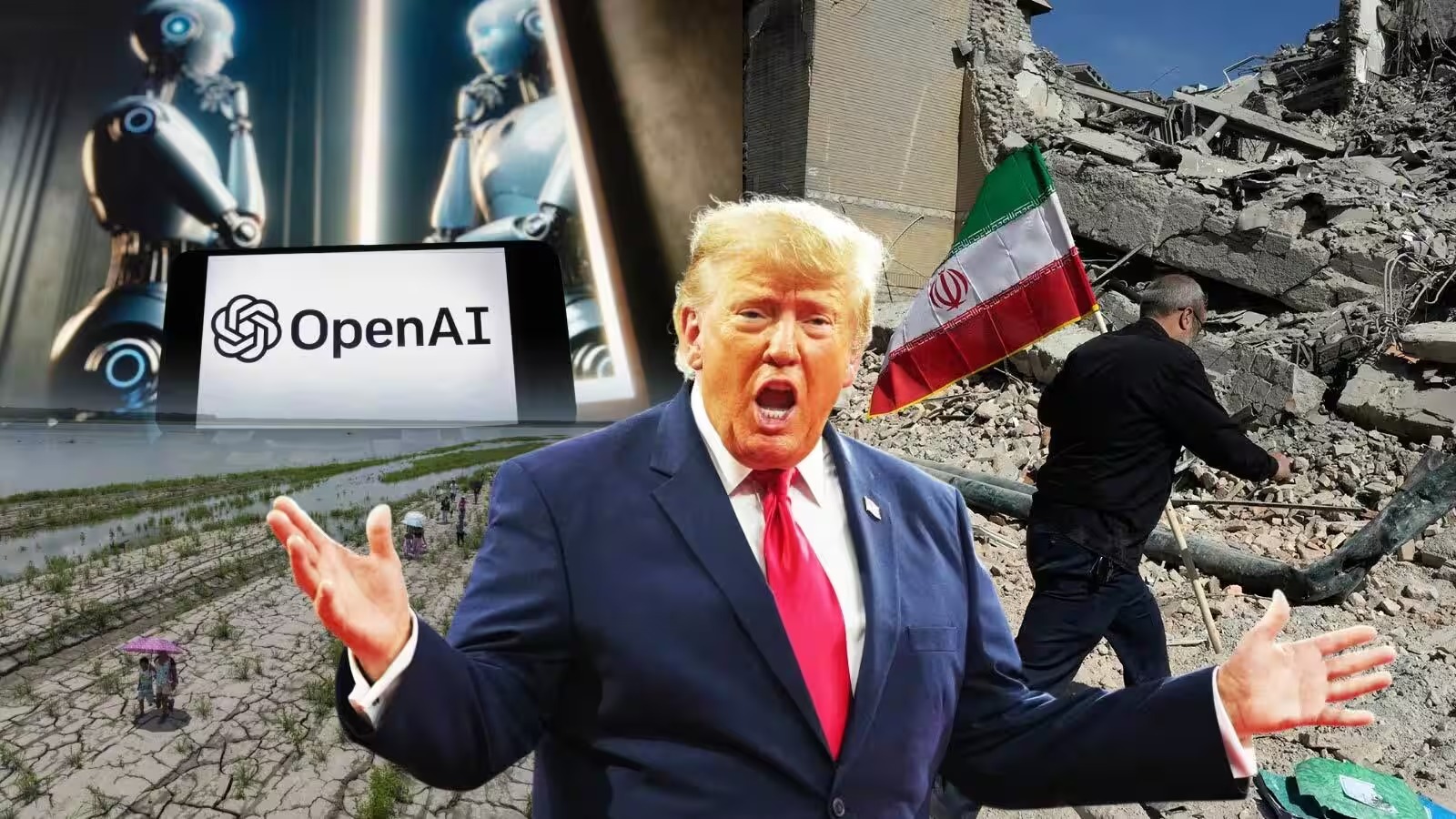
British magazine The Economist has released its annual special issue 'The World Ahead 2027', in which 10 important global trends and challenges for the coming year have been outlined. According to the report, geopolitical conflicts, economic instability and climate crisis may intensify simultaneously in 2027, while new opportunities will also open up in the fields of artificial intelligence, medicine and space technology. This assessment by editor Tom Standage and his team has sparked a new debate among policy makers, investors and common people around the world about which direction the next year will take the global system. The shock of the Iran war, the crisis over energy routes and food security The Economist estimates the long-term consequences of the Iran-related conflict as extremely serious. The report believes that even if there is some reduction in direct fighting, the aftershocks of the war will be felt throughout 2027. There could be major changes in regional politics and energy supply routes in the Middle East, while fertilizer shortages could put pressure on crop production and food security worldwide. Along with this, the report also says that the regime within Iran may tighten its grip further, while a new debate has started on the global level about America's credibility, where there is talk of change in the trust of allies and assessment of adversaries. China's eye on Taiwan and changing war strategy 2027 has been considered a very sensitive year in terms of the security of the Asia-Pacific region. The Economist report noted that Chinese President Xi Jinping has seen 2027 as a deadline by which the Chinese military must be prepared for any possible military action against Taiwan. However, the report also highlights that conflicts such as those in Ukraine and Iran have changed the face of modern warfare, where even relatively smaller or less well-resourced parties can challenge larger powerful rivals with new technologies and defense strategies. In such a situation, Beijing's decisions will depend on many strategic aspects, considering the potential costs, economic shocks and the risk of prolonged conflict. Super El Nino, heat records and the pace of renewable energy On the climate change front, The Economist has warned that 2027 could be among the hottest years in history. A major factor behind this is said to be the potentially strong El Nino effect, which affects weather around the world through changes in the temperature of the Pacific Ocean. There is a possibility of increased risk of drought, forest fire and severe heat wave. The interesting aspect is that amidst the fluctuations in energy markets and rising prices, the trend towards renewable energy like solar and wind energy may accelerate, so that countries can protect themselves to some extent from global market shocks. Sound of the post-Trump era, AI bubble and debt pressure Regarding American politics, the report says that President Donald Trump's tenure may remain very aggressive and unpredictable even as it moves towards the final phase between the changes in the equations of Congress after the mid-term elections and the start of the race for 2028. Amidst executive orders, legal conflicts and major initiatives, the world will also see what America's foreign policy will be like after Trump. At the same time, in the field of artificial intelligence, there have been warnings about the risk of market collapse or bubble burst due to huge debt and opaque financial deals, and attention has also been drawn to cyber threats, while some of the prevailing fears regarding jobs and the environment are considered to be exaggerated. Politics in Europe, bond markets and a picture of new opportunities In Europe, the upcoming French presidential elections and the possible victory of Marine Le Pen are seen as a major challenge to France-Germany rapprochement within the EU and to debt-burdened public finances. The report also warned of rising debt and bond yield pressures in many rich countries, as higher interest rates and borrowing costs tighten economies. On the other hand, among the challenges, the socio-economic impact of weight loss drugs, affordable space missions through SpaceX starships and private space stations, and new changes in the entertainment world are included among the other major trends of 2027. For countries like India, all these estimates are very important in terms of energy imports, fertilizer supply, AI investment and the changing equations of the Indo-Pacific.