
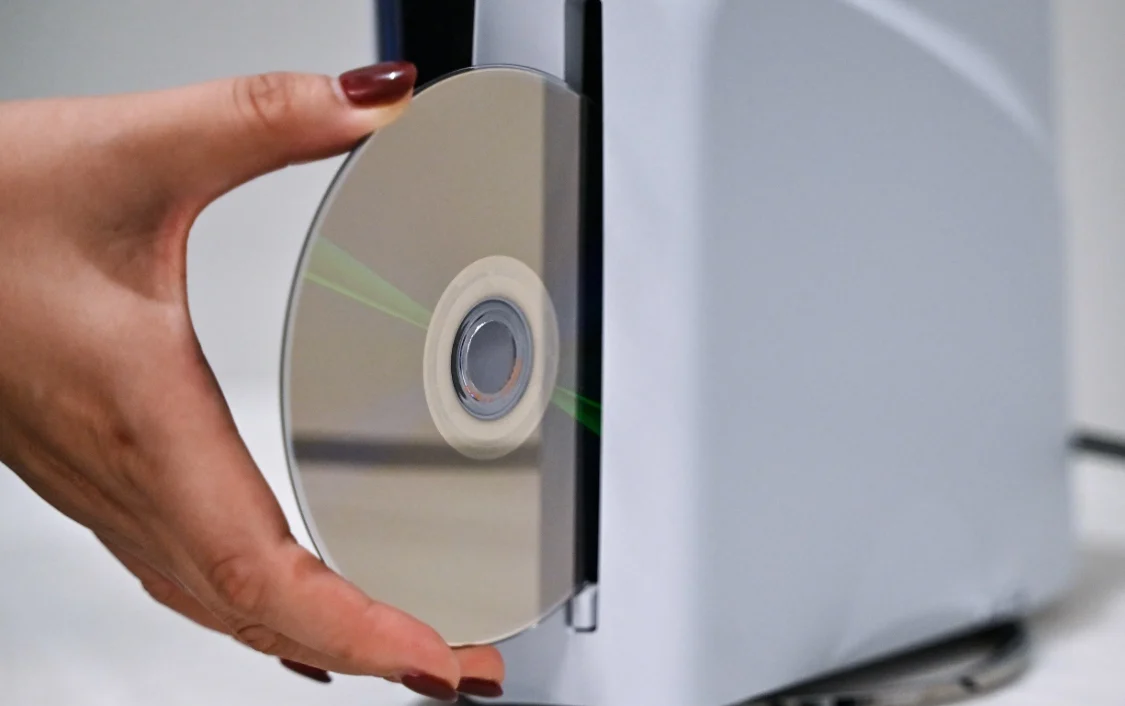

The architectural boundary separating high-end console hardware from the home computer ecosystem has officially collapsed. For generations, console manufacturers maintained a fiercely loyal consumer base by offering a seamless, cost-effective plug-and-play experience. Gamers gladly accepted the limitations of closed operating environments in exchange for one critical advantage: the absolute guarantee of physical media ownership, trade-in flexibility, and true consumer rights. However, as major publishers aggressively strip optical drives from their flagship retail configurations, that long-standing trust is breaking down. According to a community tracking report published by Windows Latestan intense consumer rebellion is unfolding across gaming communities, with millions of traditional console fans considering a shift toward Windows 11 gaming rigs as hardware builders push back against a forced digital-only future.
This sudden shifting of consumer interest marks a critical moment in the interactive entertainment business. The public pushback peaked following a series of hardware revision disclosures from top platform creators, revealing that upcoming premium console refreshes will ship exclusively as “code-in-box” or purely digital systems with no built-in disc drives. While corporate strategists viewed the move as an efficient way to phase out retail supply chains and capture higher digital profit margins, the core player base has reacted with fierce resistance. Instead of rolling over and accepting an empty box architecture, a massive wave of enthusiasts is choosing to abandon closed ecosystems entirely, identifying open home computers as the ultimate refuge for media preservation and true hardware freedom.
1. Anatomy of the Backlash: The Anti-Digital Rebellion
To understand the core mechanics of this platform migration, one must evaluate the compounding frustrations that have turned traditional console purists into active PC converts. The modern console experience has slowly adopted the exact same pain points as PC gaming while offering none of the corresponding benefits. Community forums and social media networks are overflowing with consumer complaints targeting this forced digital transition. Gamers emphasize that if they are forced to manage massive digital libraries, download multi-gigabyte day-one updates, and pay premium $80 base prices for software they can never share, resell, or truly own, the primary value proposition of a console disappears.
Faced with these ecosystem locks, migrating to Windows 11 gaming rigs transforms from an expensive hardware hobby into a highly practical, long-term financial strategy for preservation-focused players.
2. Platform Comparison: The Open Desktop vs. The Closed Sandbox
The structural advantages driving console players toward modern desktop operating systems extend far beyond basic optical drive preferences, offering radical differences in long-term platform economics.
Structural Platform Autonomy and Economic Tracking
| Ecosystem Capability | Closed Console Ecosystems | Windows 11 Desktop Environment |
| Media Distribution Models | Single corporate storefront monopoly | Multi-vendor markets (Steam, GOG, Epic, Itch) |
| Backward Compatibility Base | Fragmented, paywalled emulation tiers | Absolute, multi-decade native software preservation |
| Hardware Lifecycle Path | Forced mid-generation console upgrades | Modular, incremental component replacement |
| Online Multiplayer Access | Paywalled under monthly subscription tiers | Commercially free, unthrottled network access |
The comparison highlights a deep structural flaw within modern console sandboxes. On a desktop system, a player is never locked into a single corporate storefront. If a digital provider inflates its software pricing, consumers can instantly shop across competing marketplaces or utilize open-source emulators to play their favorite legacy titles, breaking the pricing power currently held by console platform operators.
3. The Xbox Collapse: Why Windows Wins the Hardware Defection
The ongoing migration has triggered an ironic twist in the traditional console wars, directly reshaping how Microsoft and its competitors position their software. For years, Sony and Microsoft fought a fierce battle for living room dominance. However, as Microsoft altered its long-term strategy transforming Xbox Game Pass into a platform-agnostic service and launching its major first-party exclusives directly onto PC on day one, it inadvertently weakened its own console hardware incentive.
Confronted by Sony’s aggressive push to eliminate physical discs, gaming communities are realizing that switching to an open desktop system gives them the best of both worlds. They gain access to Xbox’s entire modern software portfolio alongside high-tier desktop performance, turning the PC into the definitive winner of the modern console wars.
The Path to Open Computing
The intensifying consumer rebellion highlights a fundamental lesson for the tech industry: when corporate strategies squeeze out consumer choice, the market will inevitably find an open-source alternative. By attempting to phase out optical media and lock players into managed digital monopolies, console builders have accidentally triggered a massive renaissance for open personal computing.
As hardware builders adapt to this influx of console exiles by engineering accessible, living-room-friendly desktop form factors, the migration toward Windows 11 gaming rigs proves that dedicated players will always choose platform freedom over corporate sandboxes, ensuring the future of interactive entertainment remains firmly in the hands of the people playing it.

Comments are closed.