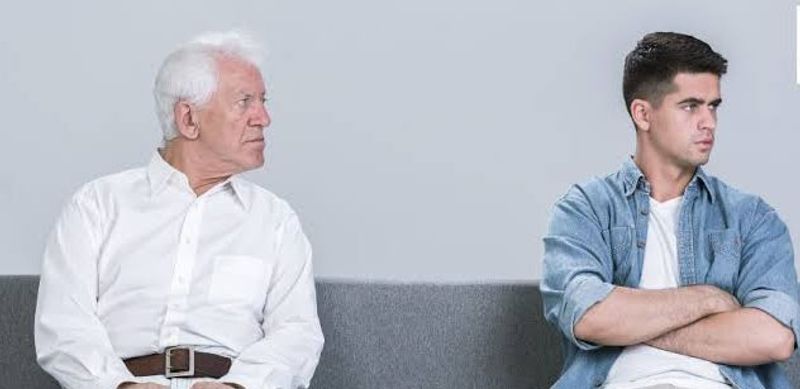
On parents, growing up, and the distance between generations
There are things we do not understand until life itself teaches them to us. During our teenage years, we often believe our parents do not understand us. We think they worry too much, ask too many questions, and make rules that limit our freedom. We want to be trusted, to make our own choices, and to discover who we are. Somewhere between growing up and trying to find ourselves, a communication gap begins to form. We forget that our parents are human beings too, learning how to raise us while trying to understand a world that keeps changing.
My perspective changed when I was diagnosed with cancer.
In those first few weeks, when everything felt uncertain, my mother did not let me break. She held my strength together when I struggled to find it within myself. My father, in his own quiet way, would sit beside me and massage my feet. Hospitals, medicines, and uncertainty became part of my everyday life, but their love remained familiar. They had been there before my diagnosis, they stood beside me during it, and they continued to be there afterwards. When so much in my life changed, my parents remained my constant.
I learnt that love does not always arrive through beautiful speeches or perfect words. Sometimes it is a mother doing everything she can to keep her child hopeful. Sometimes it is a father massaging his child’s feet because he cannot take away the pain but wants to ease it in whatever way he can. Sometimes love is simply staying beside someone when neither of you knows what tomorrow will bring. This is why I believe we need to speak to our parents more often. Many of us hide things from them because we fear their disapproval, anger, or inability to understand. We assume that telling the truth will make everything worse. Their first reaction may not always be what we hope for. They may disagree, become upset, or need time to understand our choices. But we should give our relationships the chance to grow beyond that first reaction.
Tell them the truth when it is safe to do so. Sit with them. Talk about what frightens you, the mistakes you have made, the people you love, and the decisions you are struggling with. Let them know who you are becoming, even when you worry they may not approve. Parents do not always respond perfectly, but honest conversations give both sides a chance to understand one another in a way that silence cannot.
Parents, too, must learn to listen. Children do not always need solutions, lectures, or comparisons. Sometimes they simply need to be heard without feeling judged. The distance between generations cannot be bridged by only one side. Children need room to speak honestly, and parents need the willingness to listen. Love may bring people together, but communication helps them understand each other. My diagnosis taught me something else. I learnt how important it is to trust myself. My parents stood beside me, but I also had to find the courage to face each day, live with uncertainty, and keep going. Their presence gave me comfort, and believing in myself helped me move forward. Alongside the medical care I received, their support became an important part of how I lived through that difficult chapter.
We often act as though we have all the time in the world to understand our parents. We assume there will always be another conversation, another evening together, another chance to say what we have kept inside. We should not have to face a life changing moment to recognise the value of someone sitting beside us, asking whether we have eaten, or trying to make our pain a little easier to bear. I am not saying that every parent is perfect or that every family is a safe place for every child. Some relationships need boundaries, and some children have very real reasons to fear being honest. But where love and understanding are possible, we should not allow pride, assumptions, or fear to become permanent walls between us.
When I look back at the days surrounding my diagnosis, I remember more than hospitals and treatment. I remember my mother’s determination to keep me strong. I remember my father’s hands gently massaging my feet. I remember the people who stayed when life became difficult, and I remember that I had to believe in myself, too. Perhaps growing up is not about proving that our parents understand nothing. Perhaps it is about learning to understand them while giving them the chance to understand us. We can disagree with them and still love them. We can ask for independence while appreciating their care. We can be honest about what hurts us without forgetting the ways they have stood beside us. One day, when we look back at the people who helped us through the hardest chapters of our lives,
we may realise that some of the most important people were beside us all along. We should make time to talk to them, listen to them, and let them know what they mean to us while we still have the chance.