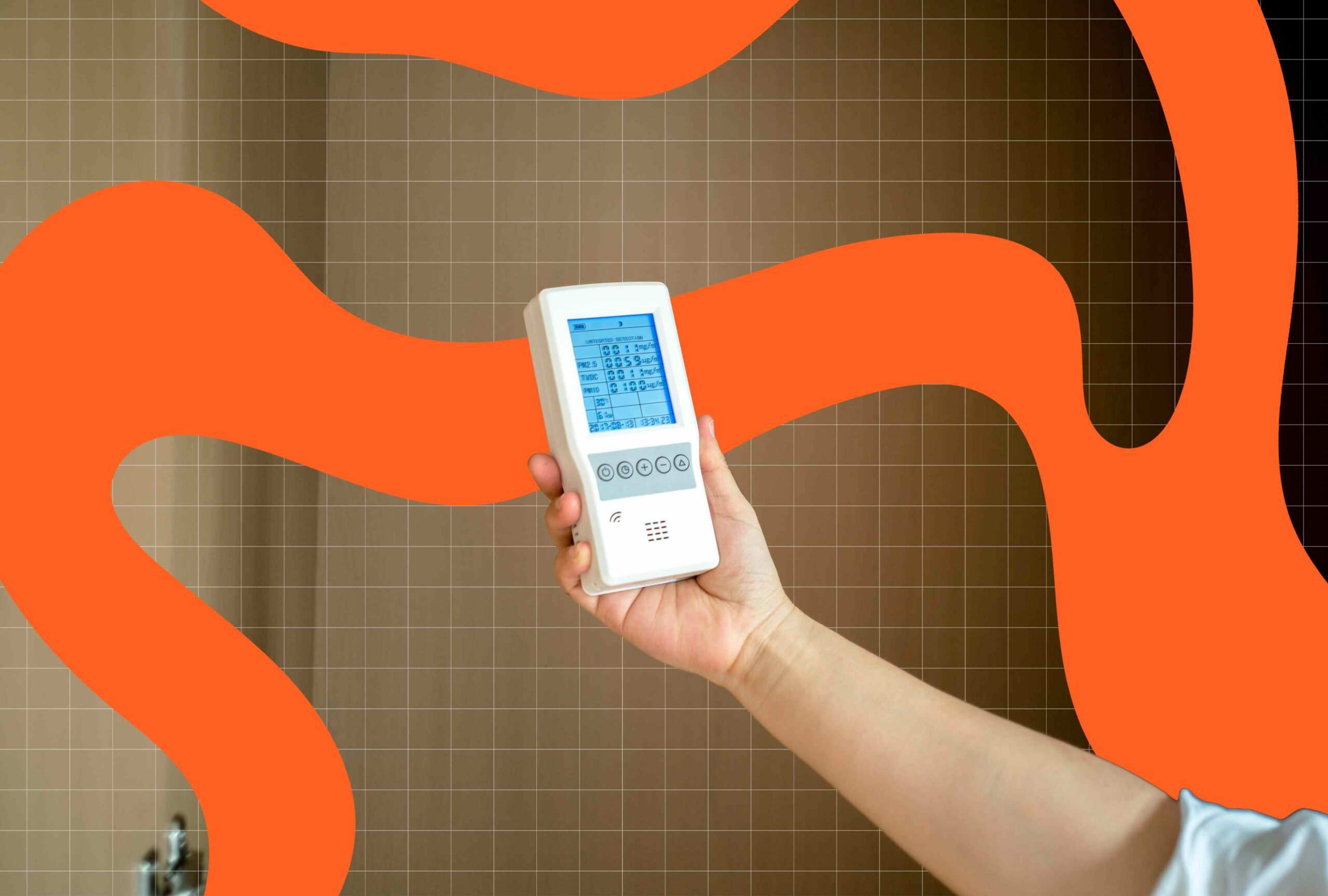
This simple at-home check can make a big difference.
Reviewed by Dietitian Madeline Peck, RDN, CDN
Key Points
- Radon is the second leading cause of lung cancer and the top cause among nonsmokers in the U.S.
- Testing your home for radon is the only way to detect this invisible, odorless gas.
- Installing a radon mitigation system can significantly lower your long-term lung cancer risk.
Not smoking is an important step in lowering your lung cancer risk, but protecting your lungs doesn’t stop there. Radon exposure is estimated to cause more than 20,000 lung cancer-related deaths each year in the United States. “Radon is a naturally occurring, odorless and invisible radioactive gas that is the second leading cause of lung cancer overall and the primary cause among nonsmokers,” says Nabil Rizk, MD. “It seeps into homes from the natural breakdown of uranium in the soil, where it can accumulate to dangerous levels.” The good news is that it’s fairly simple to test radon levels and reduce them in your home. Here’s what you need to know about why radon testing matters and how you can take care of your lungs.
Radon Can Cause Lung Cancer
When you breathe in radon, radioactive particles can attach to dust and become lodged in the lungs, where they can continue to decay and emit radiation. Over long periods of time, this exposure can damage the DNA in lung cells, leading to mutations and lung cancer, explains Erin A. Gillaspie, MD. The radon level and the length of time you’re exposed both influence risk, she says. “The EPA estimates that a person living in a home with [a] radon level at 4 pCi/L has a 7 in 1,000 chance of developing lung cancer even if they have never smoked,” Gillaspie says. “That increases to a 62 in 1,000 chance if they are a current smoker.”
Radon Is Difficult to Detect Without Testing
“Because radon is completely invisible, odorless and tasteless, a person could live in a home with dangerously high levels for decades without ever knowing they are inhaling radioactive particles,” Rizk says. “Testing is the only way to uncover this hidden danger.”
You can typically have a testing kit delivered to your house and then you’ll send in a sample for analysis. Beyond uncovering a danger, testing for radon leaves you with the information needed to do something about it. If a test reveals that radon concentrations are high (generally 4 pCi/L or higher), you can have a radon mitigation system installed by professionals. These systems vary, but typically use a fan and piping to draw radon gas from the soil beneath the home’s foundation and vent it safely outdoors before it can seep into the living space, Rizk says.
“By identifying the problem and prompting this fix, testing ensures the radioactive gas is removed from the indoor air, halting continuous DNA damage to the lungs and significantly lowering the long-term risk of developing lung cancer,” Rizk says.
Early Detection Is Important
It’s important to test for radon so you can catch elevated radon levels early. “Early detection of radon can lower your lifetime exposure and reduce the risk of radon-related lung cancer,” Gillaspie says. Rizk explains that the risk of developing lung cancer from radon is cumulative, meaning it’s related to both the radon concentration in your home and the length of time you breathe it in. “Every month or year you eliminate radon from your home’s air directly reduces your total lifetime exposure, which significantly lowers your long-term chances of developing lung cancer compared to letting the problem persist undetected for decades,” Rizk says.
Expert Tips for Better Lung Health
- If you’re a smoker, try to quit. Avoid secondhand smoke, too. “I recommend avoiding anything in your lungs other than fresh air,” Gillaspie says. If you are a current or former smoker, she recommends asking a health care provider about lung cancer screening. A CT scan helps identify cancer earlier, and early detection is associated with better treatment outcomes, Gillaspie shares.
- Avoid air pollutants. Wear a mask to protect yourself from pollutants that are released during construction or cleaning, or by events such as wildfires. “Wear a mask if you are going to be exposed to chemicals, inhaled particles like dust and other aerosols, or high levels of pollution,” Gillaspie says.
- Exercise every day. Gillaspie recommends starting with small chunks of cardio and working up to 30 minutes of exercise each day. “Engaging in regular cardiovascular exercise forces your lungs to work harder, improving their capacity and the efficiency with which they deliver oxygen to your bloodstream,” Rizk says. When air quality is poor, avoid exercising outdoors, he adds.
- Protect yourself from respiratory viruses. While it may not be possible to avoid viruses entirely, do what you can to reduce your risk. “Safeguarding yourself against respiratory infections—by washing your hands frequently and staying up to date on recommended vaccinations for the flu, COVID-19 and pneumonia—is vital to prevent acute illnesses that can cause lasting pulmonary damage,” Rizk says.
Our Expert Take
Radon is an invisible and odorless radioactive gas. It’s the second leading cause of lung cancer, but without testing you won’t know it’s there. Testing radon levels in your home is an important way to lower your lung cancer risk. Doing so lets you detect a problem so you can do something about it. Your risk of developing lung cancer from radon exposure is cumulative, so it’s best to know about elevated radon levels in the home as early as possible.