
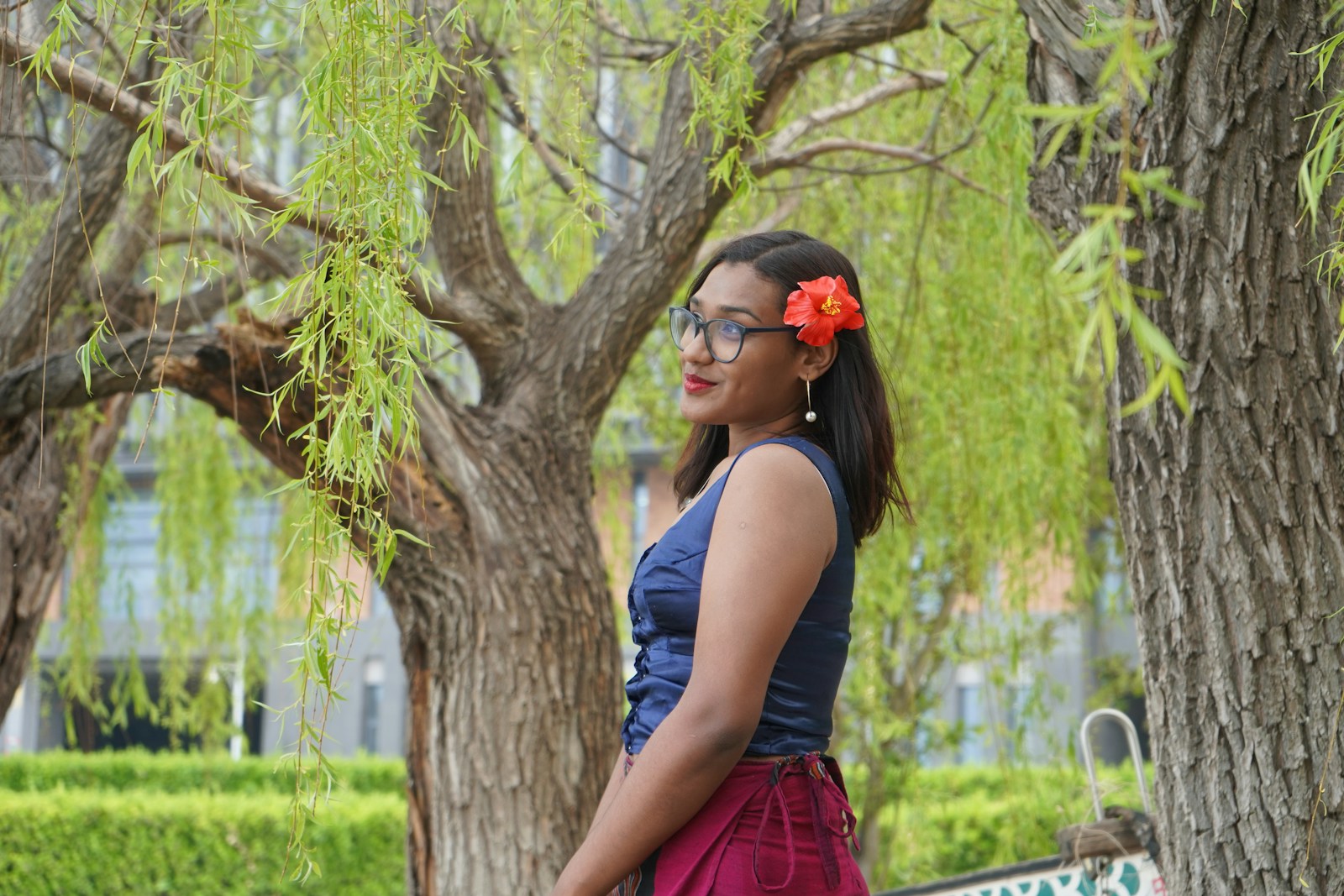
The Weaponization Of Colorism And The Glow Up: How Beauty Standards Moved From Creams To Filters – Obnews

The global conversation around colorism has changed, but it has not disappeared. For decades, skin lightening products sold the idea that fairer skin could lead to better jobs, better marriages, higher status and greater acceptance. Brands such as Fair and Lovely faced widespread criticism for promoting these harmful beliefs, eventually leading to the product being renamed Glow and Lovely. However, many critics argue that the deeper social problem was never solved. It simply moved into a more modern and digital form.
Today, colorism is no longer limited to beauty counters, television ads or marriage classifieds. It now appears through social media filters, edited selfies, influencer culture and the popular glow up trend. What is often presented as self improvement can sometimes reinforce the same old hierarchy, where lighter skin, sharper noses, smaller faces, thinner bodies and more Eurocentric features are treated as signs of beauty, success and refinement.
The glow up trend is especially complicated because it mixes confidence, fashion, fitness and self care with unrealistic beauty standards. On the surface, a glow up can mean personal growth. It can mean taking care of one’s health, improving style or feeling more comfortable in one’s appearance. But online, the term is often used to celebrate transformations that make people look lighter, slimmer, smoother and closer to a narrow beauty ideal. For many South Asian, Black, Indigenous and other racialized communities, this creates a painful message that progress means moving away from natural features.
Colorism is deeply tied to history, class, caste, colonialism and media representation. In many communities, fairer skin has long been associated with privilege, wealth and desirability, while darker skin has been unfairly linked to labour, poverty or lower social standing. These ideas were strengthened by colonial rule, local caste systems and decades of advertising that rewarded lighter skin. Even when companies change product names or soften their language, the mindset can continue through coded words like glow, bright, radiant and clean.
Social media has made the issue even more powerful because beauty standards are now constant and interactive. Filters can lighten skin, slim noses, sharpen jawlines and change facial features within seconds. Young people may not always realize how often they are seeing digitally altered faces. Over time, these images can shape what people believe is normal, attractive or worthy of attention. The result is a quiet but damaging pressure to edit oneself into acceptability.

The problem is not self care or makeup. People should be free to enjoy beauty, fashion, skincare and personal transformation. The issue begins when beauty culture teaches people that their natural skin tone, hair texture, facial features or body shape are problems that need to be fixed. When darker skin is treated as something to correct rather than celebrate, beauty becomes a tool of exclusion.
Challenging colorism requires more than renaming products or removing offensive advertisements. It requires honest conversations in families, media, schools, workplaces and online spaces. It also requires better representation of darker skinned people in film, fashion, news, advertising and influencer culture. Beauty should not be measured by how close someone appears to whiteness, caste privilege or colonial standards.
The modern glow up should not mean becoming lighter, thinner or more acceptable to a biased society. A true glow up should mean confidence without erasure, growth without shame and beauty without hierarchy. Until society stops rewarding fairness as status, colorism will continue to survive under new names, new filters and new trends.

Comments are closed.