
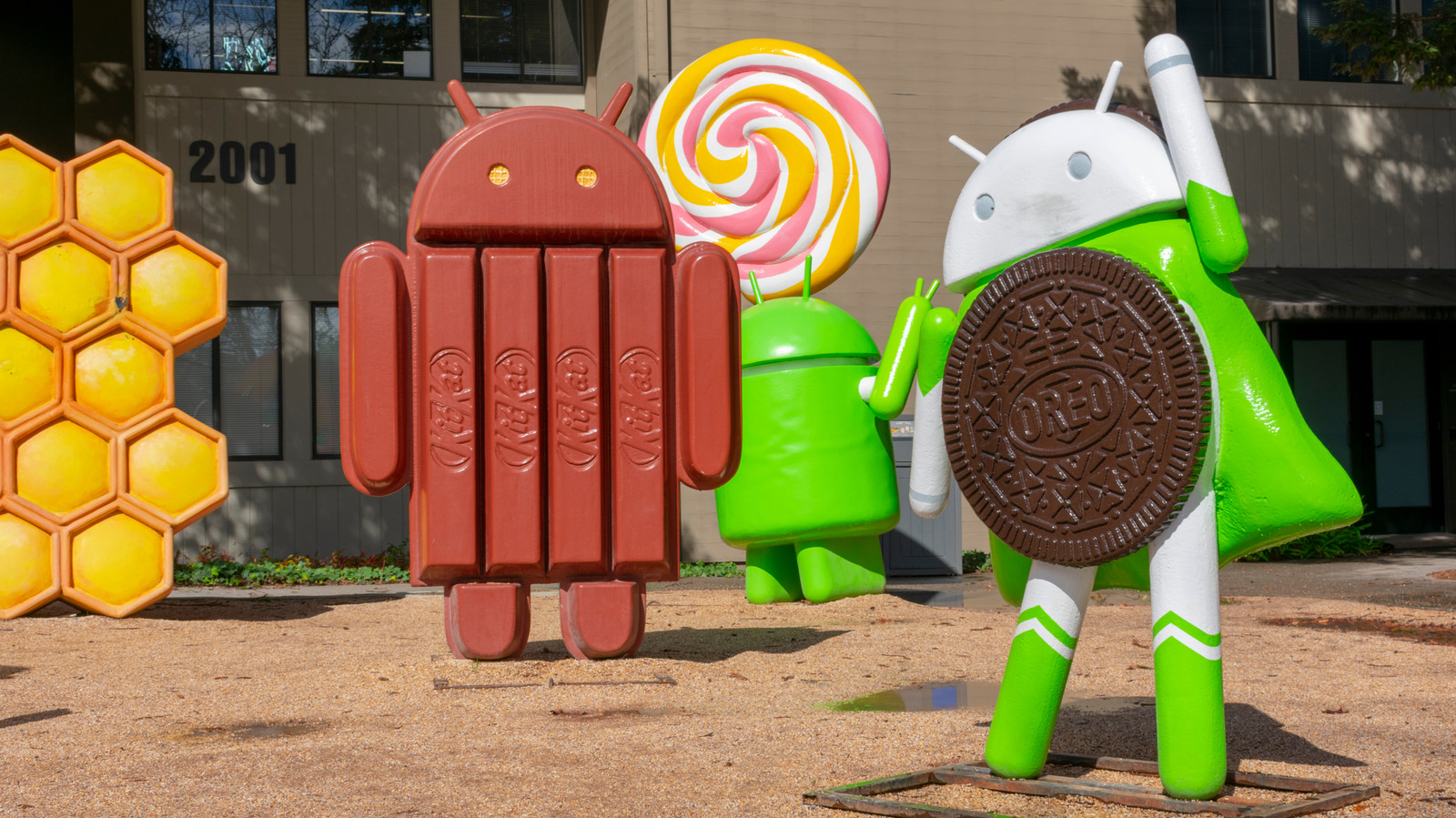

If you’re a longtime Android user or just a very well-informed iOS user, you probably remember how Android versions used to be named after desserts. Android 1.5 Cupcake, released in April 2009, was the operating system’s first public release to use a confectionery naming scheme. Since then, we’ve seen more than a dozen releases, each bearing the name of a popular sweet treat in alphabetical order — well, popular at least in some parts of the world.
This was one of the major reasons why Google pivoted away from attaching dessert names to Android releases in 2019. Sameer Samat, vice president of product management for Android, explained in a blog post how this naming scheme posed challenges for a global audience. In many parts of the world where treats like jelly beans or gingerbread aren’t particularly popular, it didn’t make much sense to market and label an entire version of Android around them.
This is likely why the final few Android versions preceding Android 10 were named after desserts with broader international recognition — KitKat, Lollipop, Marshmallow, Nougat, Oreo, and Pie. Plus, for languages where certain letters or sounds aren’t easily distinguishable (like Japanese with “L” and “R”), Google noted how the alphabetical naming convention can be confusing. Instead, it opted for a far simpler naming system based on numbers. It’s now easier to tell which version of Android your phone is running and whether it’s the newest one available.
How is Android’s new brand identity holding up?
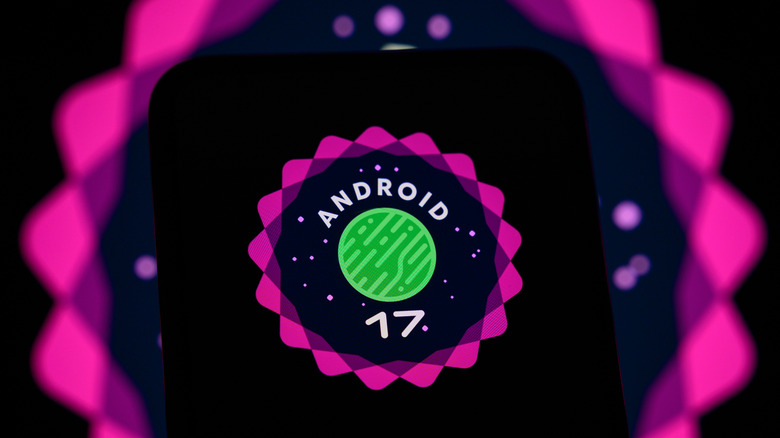
There was understandable criticism pouring in from Android enthusiasts when Google decided to drop its naming convention with Android 10. While it’s sad knowing that the average Android user will never be blessed with an Easter egg related to a sweet treat again, for those nerdy enough, Android has continued to use confectionery-based codenames internally. Android 10 was known as Quince Tart, Android 11 as Red Velvet Cake, Android 12 as Snow Cone, and so on. The latest version of the operating system, Android 17, is internally known as Cinnamon Bun.
Fortunately, Android hasn’t lost its fun nature. While not every major release is a visual overhaul, we have seen plenty of playful touches over the years. Google’s Material You design system is all about how the user interface uses dynamic colors for a more personal feel. Material 3 Expressive took this a step further by adding a refined motion-physics system and improved typography. It also helps that nearly every Android OEM brings its own flavor to Android. The bottom line is we don’t think Android has lost its creative or unique edge simply because Google stopped erecting statues of popular desserts in Mountain View, California.
Android may be moving away from desserts, but recent versions seem to have found a different niche — space exploration. Like the Easter egg in Android 14, newer versions have featured an interactive space-themed mini-game you can try.

Comments are closed.