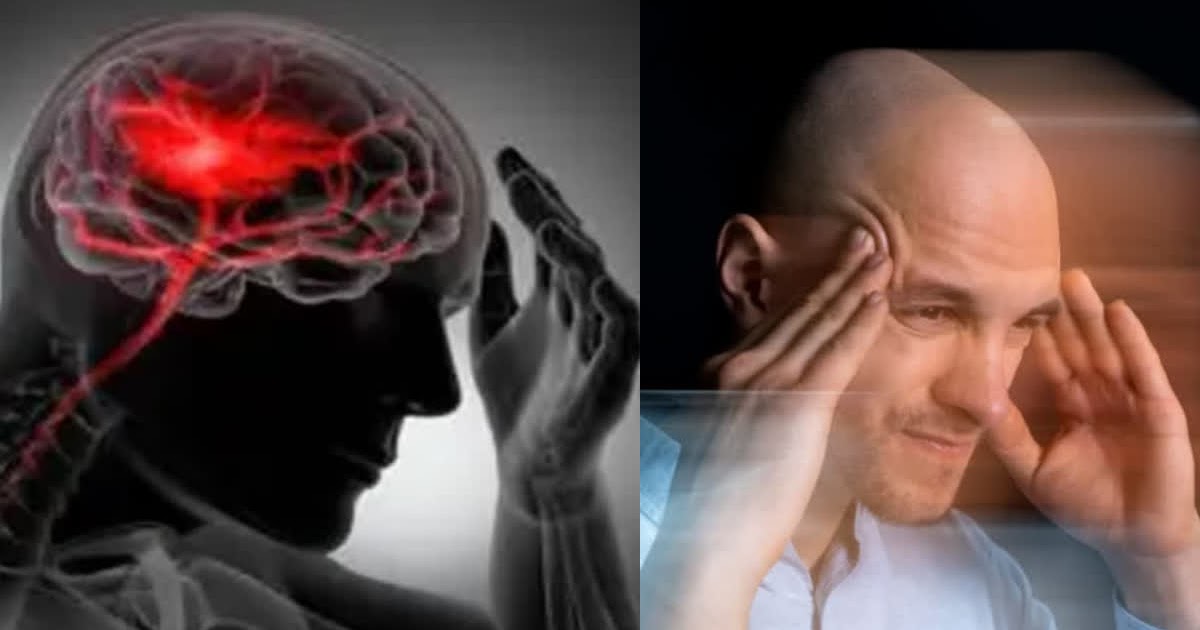
Health Desk. Brain tumor is a serious disease in which abnormal growth of cells starts inside the brain. This tumor can be cancerous or non-cancerous. Many times its initial symptoms appear like normal headache, fatigue or weakness, due to which people ignore them. But timely identification and treatment of the disease is very important. Let us know about the 5 major signs seen in the body when there is a brain tumor.
1. Having frequent headaches
Brain tumor patients may suffer from persistent or frequent headaches. Some people feel more headache when they wake up in the morning. The pain may also increase when coughing, bending or applying force. However, not every type of headache is a sign of a brain tumor.
2. Frequent vomiting or nausea
If a person is experiencing repeated nausea or vomiting without any apparent reason and is also accompanied by headache, then it should not be taken lightly. This type of problem can occur due to increased pressure inside the brain.
3. Changes in eyesight and vision
Brain tumor can also affect the ability to see. Some patients may experience blurred vision, double vision, or decreased visual field. In case of sudden change in vision, immediate medical examination should be done.
4. Seizures or sudden jerks
Seizures can also be an important sign of brain tumor. The person may experience sudden body tremors, lose consciousness for some time, or exhibit abnormal movements. It is important to seek medical help immediately if a seizure occurs for the first time.
5. Changes in memory and behavior
If a person's memory starts weakening, he has trouble speaking, has difficulty understanding things or there is a sudden change in his nature, then it is necessary to get it checked. In some cases, a brain tumor can affect the parts of the brain that control thinking, understanding, and behavior.
What to do if symptoms of brain tumor appear?
According to experts, these symptoms do not always mean brain tumor. Such signs can also be seen in migraine, infection and other diseases. But in case of persistent or increasing problems, a neurologist should be contacted. If necessary, the doctor may advise to undergo MRI or CT scan.