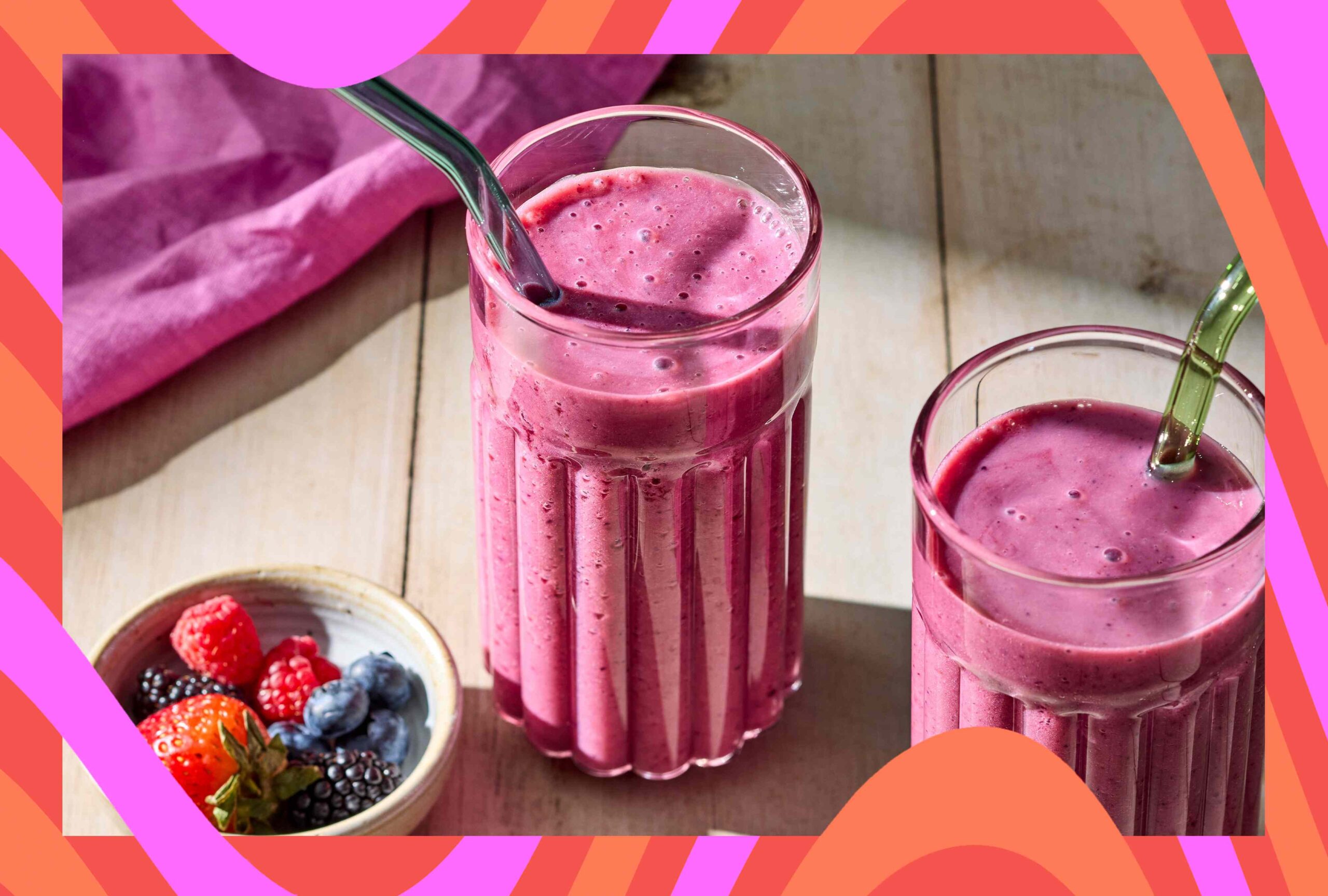
Good news: You’ll find them all over your grocery store’s produce department.
Key Points
- Eating more flavonoid-rich foods like oranges, apples and tea may lower breast cancer risk by 15%.
- A flavonoid-rich diet may reduce breast cancer risk even for women with higher genetic predisposition.
- Eating colorful fruits, vegetables and tea can have many potential benefits.
Diet and cancer risk is a topic that often feels both hopeful and frustrating. We all want to believe that the right foods can protect us, but it can be hard to understand what is backed by research—especially since nutrition headlines can sometimes contradict each other. It makes sense to be skeptical when a study claims that certain fruits or drinks might lower your risk of a serious disease.
Still, some questions are worth taking seriously. Many of us want to know if everyday foods actually shift the odds when it comes to cancer. And if genetics already stacks the deck against you, does what you eat still matter? A recent study set out to explore exactly that, and the results were published in NBJ Breast Cancer.
How Was the Study Conducted?
Researchers analyzed data from 93,271 women enrolled in the UK Biobank, a large long-term health project. They followed these women for a median of about 12 years, tracking who developed breast cancer over time. To make sense of the numbers, they used a statistical method that helps estimate risk while accounting for when people entered the study.
The core measure was something called the Flavodiet Score, or FDS. This score captured how much flavonoid-rich food and drink each woman consumed, based on 10 items: tea, apples, berries, grapes, oranges, grapefruits, sweet peppers, onions, dark chocolate and red wine. Flavonoids are natural compounds found in many plants, and they have drawn interest for their possible protective effects.
The team also built a polygenic risk score using 168 genetic markers linked to breast cancer. This let them see whether diet mattered differently for women with higher genetic risk. Importantly, they adjusted for a long list of confounders including age, BMI, physical activity, smoking, alcohol intake, family history of breast cancer, hormone replacement therapy and oral contraceptive use.
What Did the Study Find?
Women in the highest Flavodiet Score quintile, meaning those eating the most flavonoid-rich foods, had a 15% lower breast cancer risk compared with those in the lowest quintile. That is a modest but meaningful difference across such a large group.
Certain flavonoid subclasses stood out too. Higher intakes of flavanones and proanthocyanidins were linked to reduced risk, as were specific foods like oranges and apples. The protective pattern did not vary significantly by menopausal status, which suggests the association held whether women were pre or postmenopausal.
Perhaps the most striking finding involved genetics. Among women with high polygenic risk scores, those in the highest flavonoid consumption quintile still showed a significantly reduced risk. In other words, a flavonoid-rich diet appeared to be associated with lower risk even for women whose genes put them at greater disadvantage.
Limitations
It is worth slowing down here, because this study cannot prove that flavonoids cause lower risk. This study is observational, which means it can spot patterns but not confirm cause and effect.
There are other caveats. Diet was measured using a 24-hour questionnaire, which relies on memory and can lead to over or under-reporting. Flavonoid intake was estimated by matching foods to a USDA database rather than measured directly, so some misclassification is likely. The study also did not have enough data to explore whether the effect differed by type of breast cancer.
Finally, the UK Biobank group tends to be healthier than the general population, with lower rates of smoking and obesity. It was also predominantly white European, which limits how well these findings apply to other groups.
How Does This Apply to Real Life?
The practical message is refreshingly simple. Eating more flavonoid-rich foods is a low-risk habit with plenty of other benefits. That means reaching for oranges, apples, berries, tea, dark chocolate, onions and sweet peppers more often.
One useful detail: Even though red wine was part of the score, the researchers found that removing it did not change the results. So alcohol is not driving the benefit, and there is no reason to start drinking for your health. The pattern points to the flavonoids themselves, not the wine.
This research may be especially relevant for women with a higher genetic risk. While you cannot change your genes, this study suggests that everyday food choices might still play a supportive role alongside standard screening and medical care.
Our Expert Take
This study published in NBJ Breast Cancer was a large prospective cohort study that followed more than 93,000 women for nearly 12 years and compared their flavonoid intake with later breast cancer risk. The key finding was that women eating the most flavonoid-rich foods had a 15% lower risk, with a notable association even among those carrying higher genetic risk.
What makes this compelling is not a single miracle food but a consistent pattern pointing toward ordinary, accessible choices. The effect size is modest and the study cannot prove causation, so it is best viewed as one supporting piece rather than a standalone prescription. Still, the takeaway is encouraging. A diet built around colorful fruits, vegetables and tea fits neatly with broader health advice, and it may offer a small edge for the women who could use it most.