1. Fruit flies
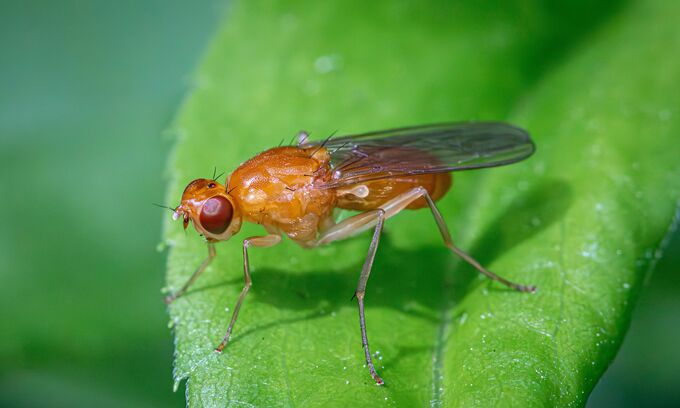
Fruit flies are small, usually yellow or light brown, and can appear throughout the year. However, they are more noticeable in late summer and autumn because warmer temperatures cause fruit to ripen faster.
They are attracted to overripe, rotting or fermenting fruit, as well as food waste and the juices left behind by spoiled produce, BBC reported.
|
A close-up of a fruit fly. Photo from Pexels |
Fruit flies can be difficult to eliminate because they reproduce quickly. A female can lay up to 500 eggs on the surface of fruit, while the insects can reach adulthood in about two weeks.
Although fruit flies are annoying, they generally do not pose a serious health risk. The best way to get rid of them is to remove whatever is attracting them.
To prevent an infestation, check fruits and vegetables regularly and discard any spoiled produce, dispose of food waste promptly, and clean and disinfect surfaces where food or fruit juices may have spilled. You should also check cupboards and food storage areas for produce that has become soft, sticky or rotten.
2. Bluebottles
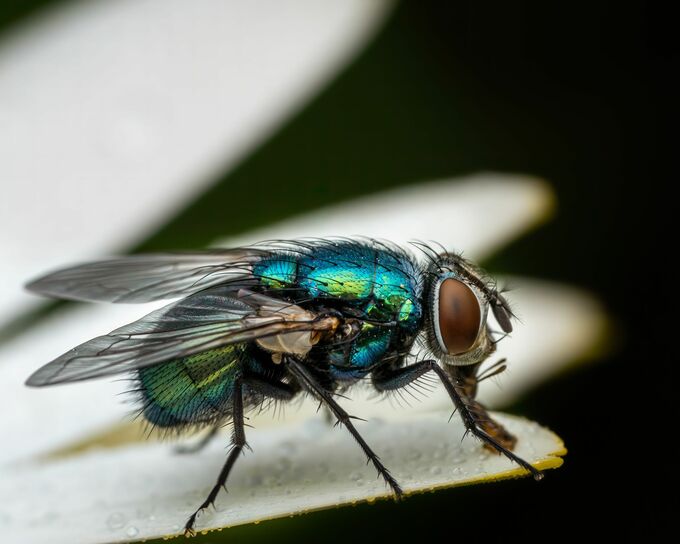
Bluebottles are larger flies with a blue-green or black appearance. They are most active during spring and summer, although they may enter homes during colder weather to stay warm.
 |
|
A close-up of a bluebottle. Photo from Pexels |
They are attracted to decaying meat, household waste and pet faeces. While bluebottles are not necessarily dangerous, they can carry harmful bacteria such as Salmonella, E. coli, Listeria and Campylobacter from decaying matter and waste. These pathogens can contaminate food and surfaces and may cause foodborne illnesses if they come into contact with food, according to the Premier Pest Control.
If you suddenly notice several bluebottles inside your home, check for a source of decay or waste. Emptying bins regularly and keeping household waste properly contained can help prevent bluebottles and common houseflies from entering your home.
3. Drain flies
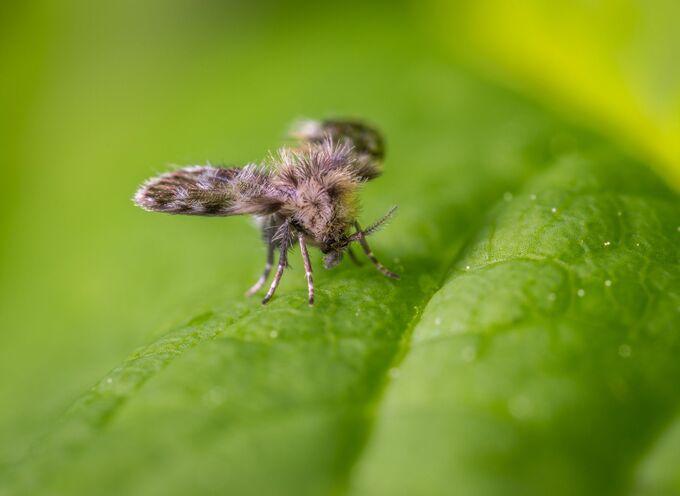
Drain flies are small, moth-like insects that are also known as filter flies, moth flies or sink flies. Unlike many other household flies, they do not damage homes or plants and do not bite or sting. However, their bodies may trigger allergic reactions in some people, while the bacteria they carry from drains and garbage can contaminate food preparation areas, as reported by WebMD.
 |
|
A close-up of a drain fly. Photo from Pexels |
They are attracted to stagnant water and organic matter that builds up inside drains and pipes. They can appear in kitchens and bathrooms, particularly when there is a blocked or poorly draining pipe.
Keeping sinks, toilets and drains clean can help prevent them. Avoid leaving standing water around the home, including water collecting under leaking refrigerators or freezers.
If drain flies continue to appear, there may be a hidden breeding site that needs to be addressed by a professional.
Never pour pesticides or other chemicals down your drains to deal with an infestation. This can be unsafe and may pollute waterways.