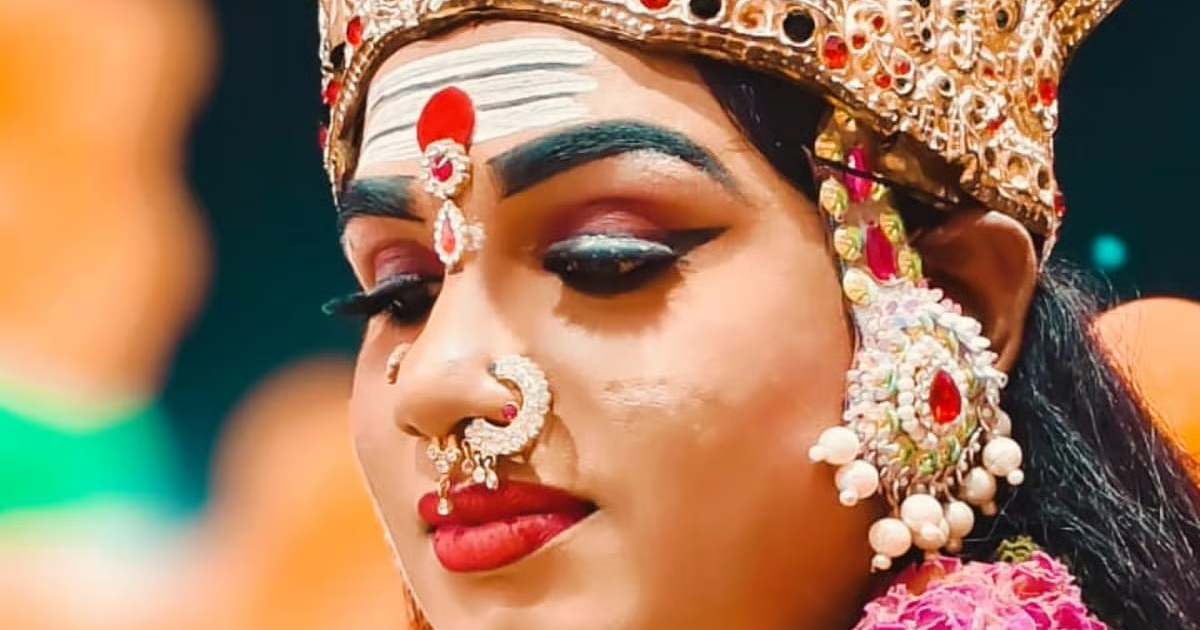
The alarm goes off at 3.30 am. Shamala wakes up instantly. Once ready, she makes a hurried check of costumes, jewellery, makeup kits, wigs, and crowns — all packed into a bag weighing over 10 kg — and rushes out. There is almost no time for breakfast. By dawn, she is on a bus, surrendered to routine, watching the first light of day spread across as she travels to a temple festival, or a cultural programme. In just 20 minutes, this trans woman would transform into a folk artiste, a performer, or a goddess.
The backstage rush is almost ritualistic for Shamala. Makeup is layered, heavy costumes are fastened, ornate jewellery is adjusted, flowers are woven into hair, and an imposing crown is placed on her head carefully. For the next few hours, she is Goddess Kali, Mariamman, Angalamman, or another revered deity, who dances with abandon, while devotees often fold their hands before her in reverence.
After the performance, leaving her divine form on stage, she boards another bus home. What she carries back with her are applause and contentment — that has her returning to the stage for the past 22 years.
For Shamala, this is more than just an act. “It is a livelihood, an identity, and the art that fed me, gave me dignity, and made me who I am,” she says.