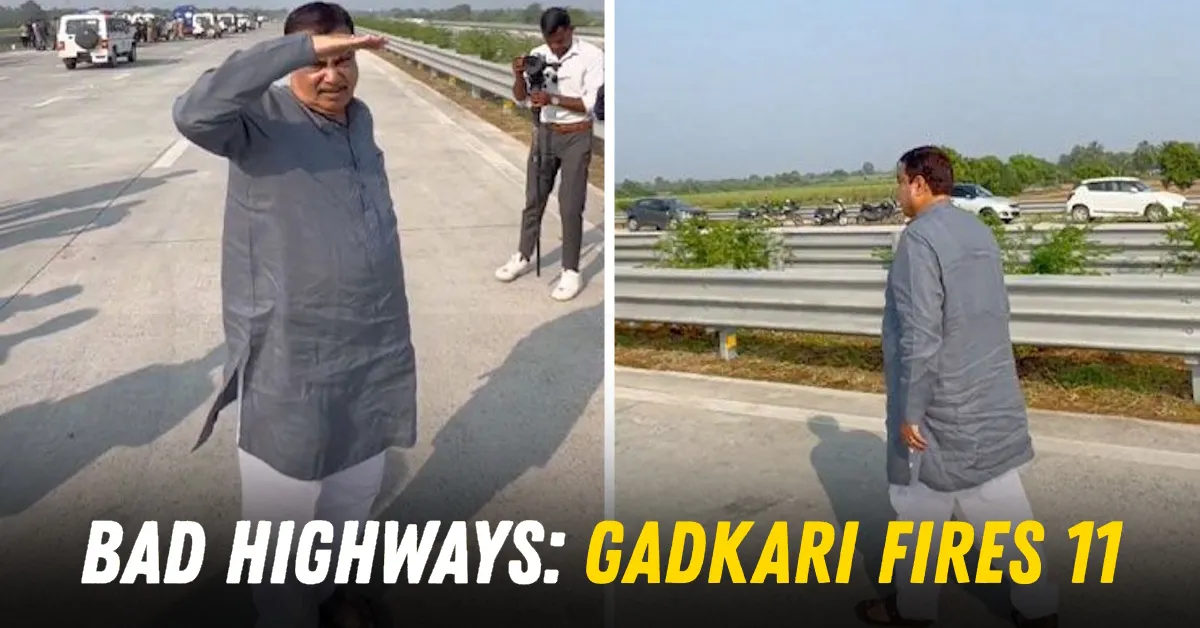
The road transport ministry under Nitin Gadkari has removed 11 officials from service after performance assessments linked to collapses, cave-ins and other failures on recently built national highway projects. Another 11 officers have faced disciplinary action for negligence or failure to perform their duties.
The action covers 19 incidents reported during 2025 and 2026 across Gujarat, Karnataka, Kerala, Madhya Pradesh, Maharashtra, Tamil Nadu, Uttar Pradesh, West Bengal and Meghalaya. These involved bridges, flyovers, road surfaces and other highway structures rather than one isolated project.
Contractors, concessionaires and engineering consultants have also faced contract termination, financial penalties, suspension, blacklisting, debarment or non-performer status. In some cases, defective work is being rebuilt at the contractor’s cost.
For motorists paying tolls on new roads, the key question is whether these actions will prevent repeat failures or merely punish people after damage has already appeared.
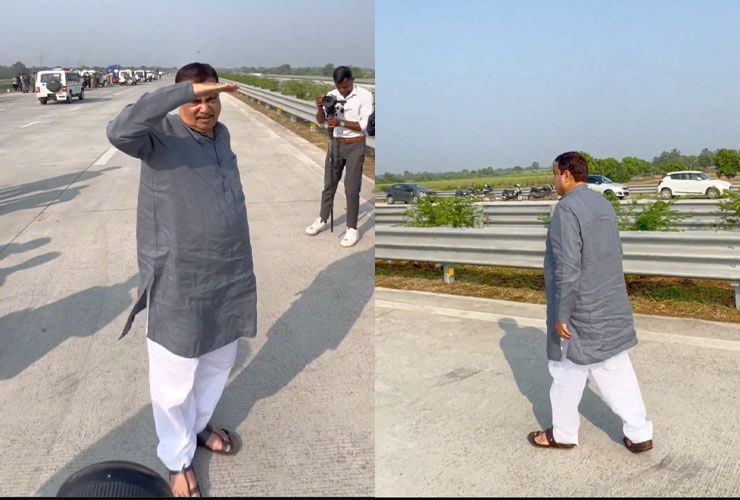
A national highway project passes through several layers before traffic is allowed on it. The contractor builds the road or structure, but an authority engineer or independent engineer monitors the work. Government project directors and senior officials oversee approvals, progress, quality reports and contractual action.
A collapse can result from poor design, weak material, incorrect construction, inadequate drainage or neglected maintenance. Fixing responsibility therefore requires more than identifying the company whose name appears on the construction board.
The ministry says its actions cover officials as well as private firms. That is significant because penalties limited to contractors can leave failures in supervision untouched.
At the same time, removal from service and disciplinary proceedings do not by themselves explain which decisions caused each failure, how much public money was lost or how much will be recovered.
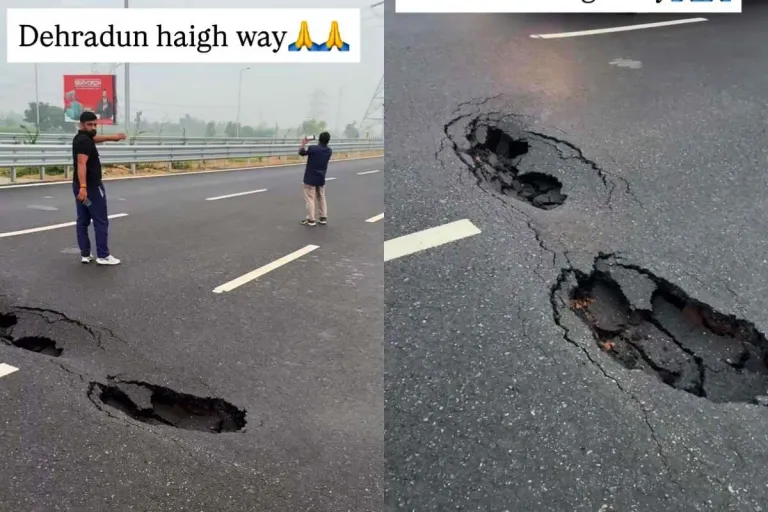
The recently opened Delhi-Dehradun Economic Corridor became a visible example after part of the road surface developed two potholes and caved in following heavy rain on July 1.
NHAI attributed the damage to localised water stagnation and delays in connecting a permanent cross-drainage system. It said local resistance prevented a balancing culvert from being integrated because the opening was being used as a vehicle crossing.
The contractor repaired the damaged section at its own cost. Show-cause notices were issued to the authority engineer and contractor, while the engineer’s team leader and the contractor’s project manager were suspended.
CRRI and IIT Roorkee subsequently carried out an independent structural and pavement audit of the corridor. This is necessary because restoring the visible road surface does not establish whether surrounding layers, drainage structures and slopes can withstand future monsoons.
NHAI’s existing process requires independent road-safety audits and preventive inspections. After a structural failure, an expert committee is expected to submit a preliminary report within three days and a final report within seven days.
The deadlines look strict, but their value depends on what follows. A technically detailed report should identify whether the defect came from design, execution, supervision, delayed land access or maintenance. It should also state the repair method, estimated cost, party responsible and period for which the corrected work will be monitored.
Motorists rarely see this information. Public announcements usually name the action taken but provide limited detail on recovered penalties, completed repairs and whether a debarred firm remains involved in other projects through a subsidiary or joint venture.
Removing 11 officials and disciplining another 11 sends a stronger signal than issuing routine notices. Contractors rebuilding defective work at their own cost also protects public funds to some extent.
The real test will come after the next heavy rain. If audits are followed by drainage corrections, structural repairs, enforceable warranties and transparent action against every responsible party, the exercise can improve road quality.