Travel Responsibly: Simple Ways Tourists Can Protect Nature and Wildlife
Travelling gives us the chance to experience forests, mountains, beaches and wildlife up close. But popular destinations can also suffer when large numbers of visitors leave waste behind, disturb animals or damage fragile ecosystems.
Responsible tourism doesn’t require major sacrifices. A few thoughtful choices can help protect the places you visit while making your trip more meaningful.
1. Never Feed Wild Animals
Feeding wildlife may seem harmless, especially when an animal approaches tourists, but it can change natural behaviour and make animals dependent on human food.
It can also encourage animals to approach roads, campsites and populated areas, increasing the risk of conflict.
Keep your distance and let wild animals find their own food.
2. Don’t Leave Plastic or Food Waste Behind
Carry your rubbish with you when bins aren’t available. This is particularly important in forests, mountains, beaches and other areas where waste collection may be limited.
Avoid leaving behind:
- Plastic bottles
- Food wrappers
- Tissues
- Disposable cutlery
- Cigarette butts
- Food scraps
Even biodegradable-looking waste can disturb wildlife and ecosystems.
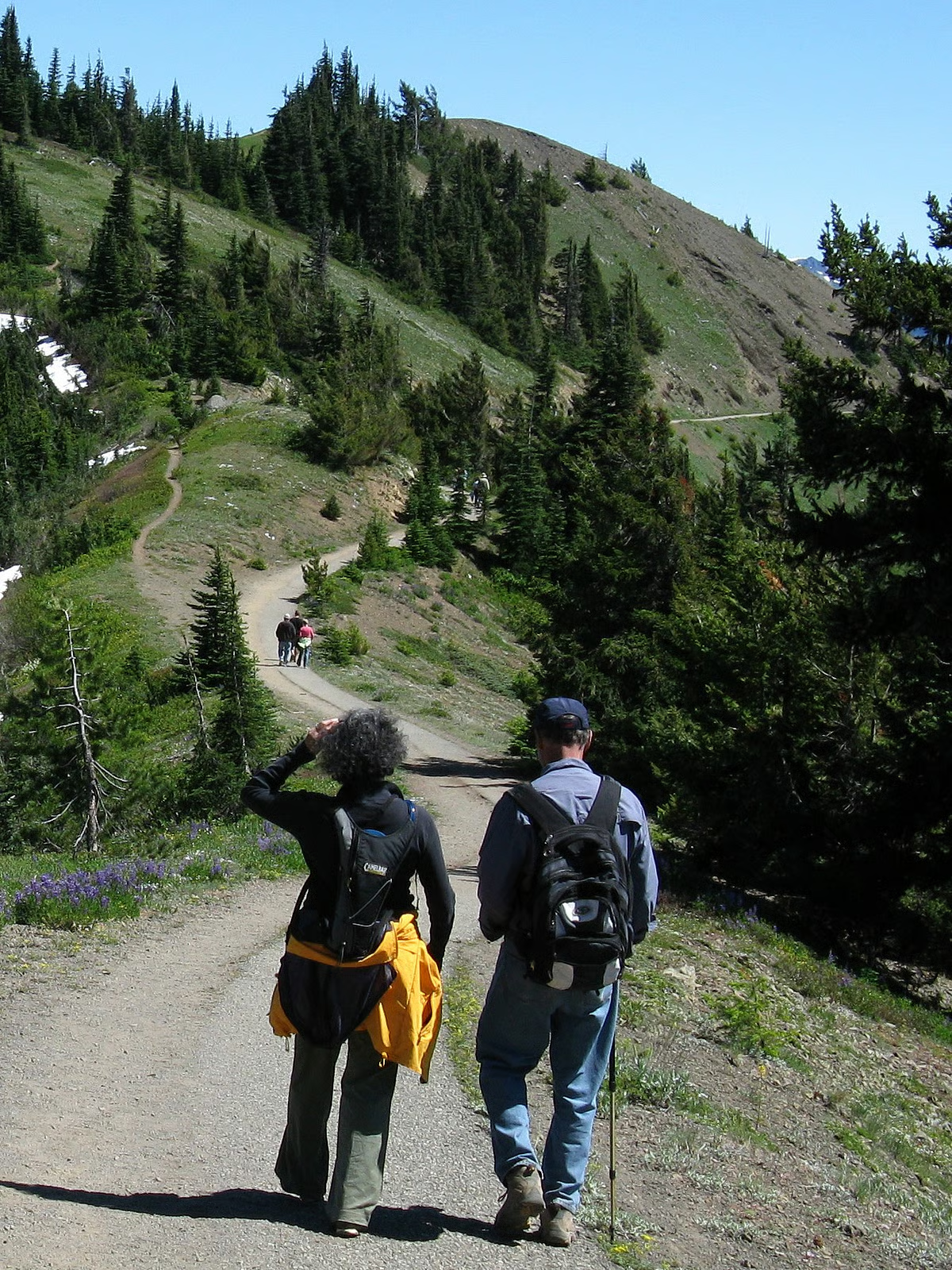
3. Stay on Marked Trails
When hiking or exploring natural areas, stick to designated paths.
Walking off-trail can damage vegetation, disturb nesting sites and contribute to soil erosion. In wildlife areas, leaving established routes can also put visitors closer to animals than is safe.
A marked trail isn’t just a convenience—it often exists to protect the environment.
4. Avoid Buying Products Made From Wildlife
Think twice before purchasing souvenirs made from animal parts, rare plants or illegally collected natural materials.
Don’t buy products made from:
- Ivory
- Turtle shells
- Corals
- Protected animal skins
- Rare wildlife parts
- Illegally collected plants
If you’re unsure whether a product is ethically sourced or legal to take home, don’t buy it.
5. Choose Responsible Wildlife Experiences
Not every wildlife attraction that advertises itself as an “animal experience” treats animals responsibly.
Be cautious about activities involving direct contact with wild animals, forced performances, unnatural handling or opportunities to take close-up photographs.
Instead, choose reputable sanctuaries, national parks and wildlife operators that prioritise animal welfare and conservation.
6. Use Less Plastic
Carrying a reusable water bottle, shopping bag and travel cup can significantly reduce disposable plastic consumption during a trip.
Where safe drinking water is available, refill your bottle instead of repeatedly purchasing single-use bottles.
Small changes become more meaningful when millions of travellers adopt them.
7. Respect Marine Life
If you’re visiting a beach, reef or coastal ecosystem, don’t touch or remove marine life.
When snorkelling or diving:
- Don’t stand on coral.
- Don’t touch marine animals.
- Don’t collect shells or coral.
- Avoid littering.
- Use reef-conscious practices recommended by local authorities.
Coral reefs and other marine ecosystems can be extremely fragile and may take years to recover from damage.
8. Support Local Communities
Responsible travel isn’t only about protecting nature. Local communities are also an important part of sustainable tourism.
Consider choosing locally owned hotels, restaurants, guides and shops when possible. Buying locally produced goods and using local services can help tourism revenue benefit the communities that live in and around popular destinations.
9. Save Water and Energy
Hotels can consume significant amounts of water and energy, particularly in destinations where resources are limited.
Simple habits include:
- Turn off lights and air conditioning when leaving the room.
- Don’t leave taps running.
- Reuse towels when practical.
- Take shorter showers.
- Avoid unnecessary laundry.
These habits may seem small, but they matter when multiplied across thousands of visitors.
10. Follow Local Rules
Every protected area has its own regulations. They may cover photography, camping, fires, swimming, waste disposal, drones, feeding wildlife or entering restricted areas.
Don’t assume that something is acceptable simply because you have seen another tourist do it.
Follow signs, listen to local guides and respect instructions from park authorities.
The Bottom Line
Responsible tourism doesn’t mean giving up the fun parts of travel. It means enjoying nature without damaging it for the people, animals and travellers who come after you.
Keep your distance from wildlife, carry your waste, stay on designated trails, avoid harmful souvenirs, support local communities and respect conservation rules.
The best souvenir from a natural destination is the memory—not a piece of the place itself.