Trump Administration Expands Iran Sanctions to Airlines, Foreign Aviation Suppliers/ TezzBuzz/ WASHINGTON/ J. Mansour/ The Trump administration imposed sanctions on 36 entities accused of helping Iran use its aviation sector to transport weapons, personnel and illicit cargo. The measures target commercial and private airlines as well as aviation-service providers in Turkey, the United Arab Emirates, Kazakhstan and Malaysia. The penalties are part of Operation Economic Outcast, Washington’s broader campaign to isolate Tehran economically during the continuing U.S.-Iran conflict.
Quick Look
- The United States targeted 36 aviation-related entities.
- Sanctioned organizations include commercial airlines, private carriers and cargo-service providers.
- Washington accused the entities of moving weapons, personnel and illicit cargo.
- Foreign companies allegedly supporting Mahan Air were also targeted.
- The businesses are based in Turkey, the UAE, Kazakhstan and Malaysia.
- Mahan Air has faced U.S. sanctions since 2011.
- The measures can freeze assets within U.S. jurisdiction.
- Foreign firms dealing with designated entities could face secondary sanctions.
- The action follows recent penalties involving Turkish and Egyptian banks.
Deep Look
United States expands pressure on Iranian aviation
The Trump administration imposed sanctions Tuesday on additional parts of Iran’s aviation industry, targeting commercial and private airlines along with foreign cargo and logistics providers.
The latest action covers 36 entities that Washington accuses of helping the Iranian government move weapons, personnel and illicit cargo through its aviation network.
The measures are part of Operation Economic Outcast, an administration campaign intended to cut off financial and commercial support for Tehran. Iran’s aviation sector was already subject to extensive U.S. restrictions imposed over several administrations.
Bessent warns foreign companies
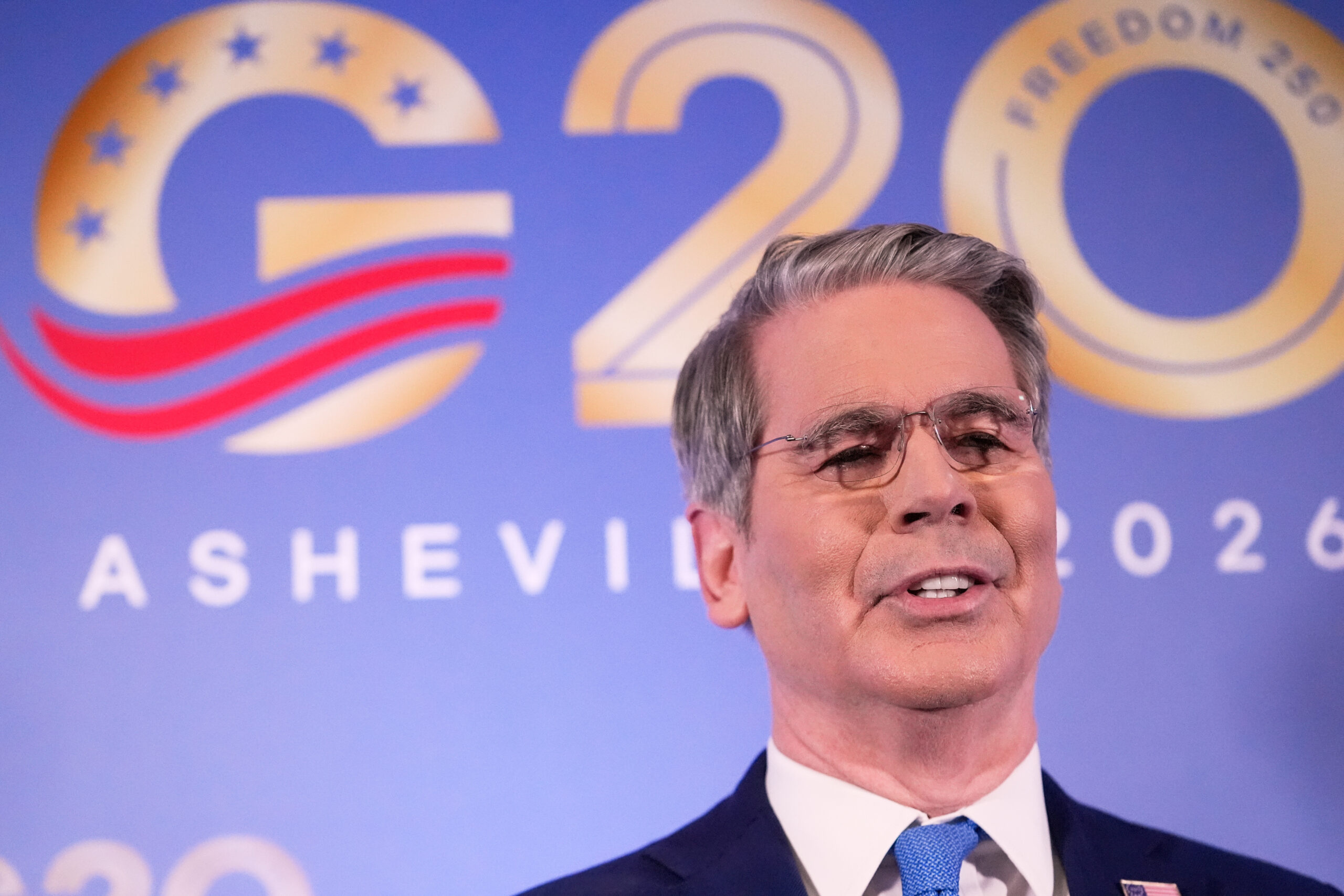
Treasury Secretary Scott Bessent warned companies and governments against continuing to conduct business with Iran’s sanctioned airlines.
“Let this be a warning to anyone doing business with Iran’s remaining airlines, all of which we sanctioned today: You are at risk of being cut off from the global financial system,” Bessent said.
The new designations generally require assets held by the targeted entities within the United States or under the control of U.S. persons to be blocked and reported.
The restrictions also expose some foreign companies or governments dealing with the designated organizations to potential secondary sanctions.
Foreign suppliers accused of supporting Mahan Air
The administration said private businesses based in Turkey, the United Arab Emirates, Kazakhstan and Malaysia provided aircraft parts, cargo assistance and logistics services to Iran’s Mahan Air.
Mahan Air operates routes from Tehran to destinations in Asia, Europe and the Middle East. Washington has repeatedly accused the carrier of supporting Iran’s Islamic Revolutionary Guard Corps and its Quds Force.
The U.S. Treasury first designated Mahan Air in 2011 under counterterrorism authorities, accusing it of providing financial, material and technological assistance to the Quds Force.
The United States added further sanctions in 2019, alleging the airline transported Quds Force personnel and weapons and supported Iranian-aligned armed groups. Treasury has also targeted foreign companies accused of supplying Mahan Air or assisting its international operations.
Sanctions accompany military campaign
The aviation penalties are part of a broader strategy combining economic pressure with military operations during the conflict between the United States and Iran.
President Donald Trump’s administration has sought to restrict Iran’s access to international banking, oil revenue, aviation equipment and foreign logistics networks while continuing military action.
The administration says the economic measures are intended to reduce Tehran’s ability to finance military operations and aligned armed groups. The Iranian government was already subject to extensive U.S. sanctions before Operation Economic Outcast began.
Turkish bank previously targeted
The aviation action follows sanctions imposed on Golden Global Yatirim Bankasi Anonim Sirketi, a Turkish financial institution.
Washington accused the bank of helping Iran transfer revenue from oil sales in China to Turkey, where the proceeds could allegedly be converted into cash and gold.
The Treasury Department also alleged that the institution knowingly provided services to Iranian financial organizations previously sanctioned for facilitating oil sales. Those assertions are U.S. government allegations.
Egyptian bank faced operating restrictions
The United States previously restricted the operations of an Egyptian bank in the United Arab Emirates but stopped short of placing it under full sanctions.
That more limited action reflected a challenge facing the administration: reducing Iran’s international economic connections without creating wider disruptions within the global financial system.
The latest aviation measures indicate that Washington is continuing to expand its campaign beyond Iranian organizations to foreign companies accused of providing Tehran with parts, financing or logistical assistance.
More on US News