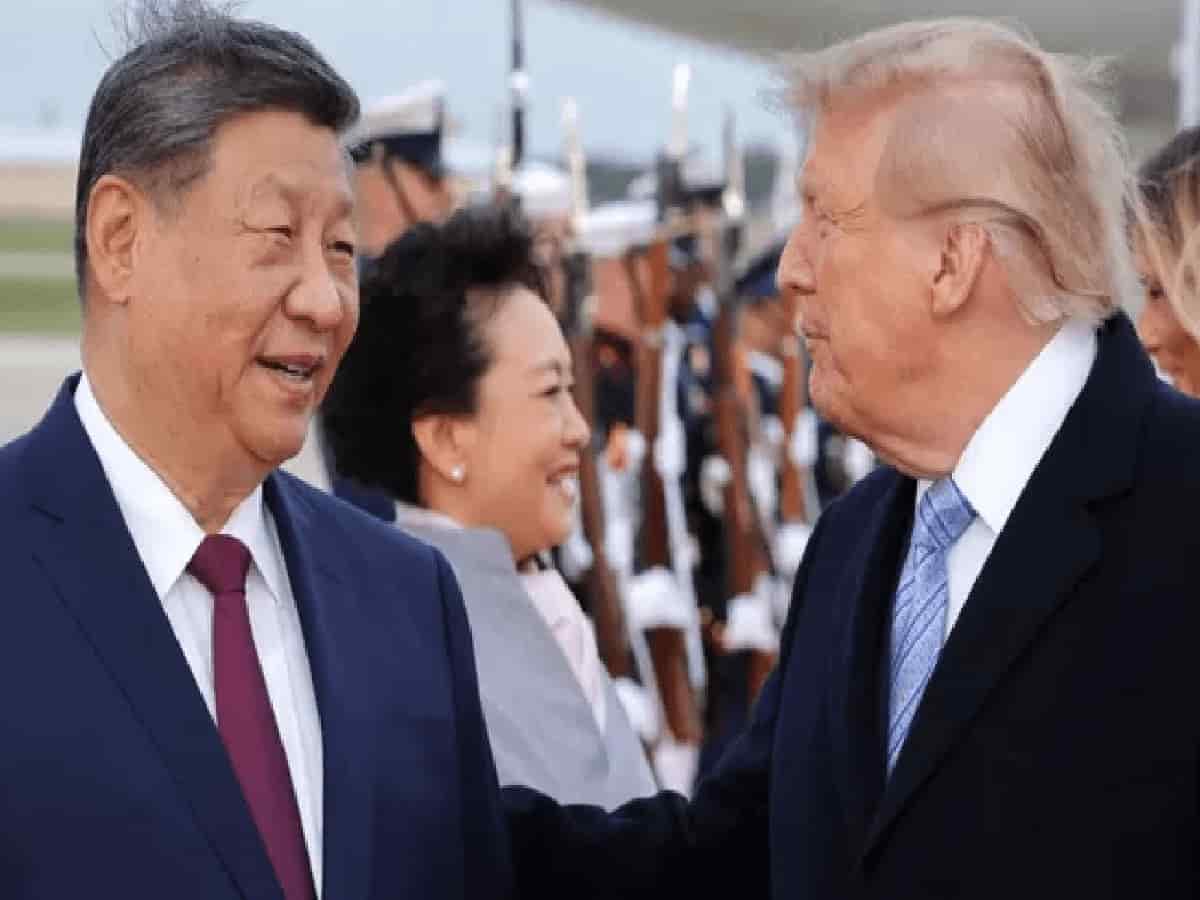
In an unorthodox diplomatic overture aimed at cooling cross-strait flashpoints and navigating fragile trade relations, United States President Donald Trump offered to sell American military hardware directly to Chinese President Xi Jinping during high-level bilateral discussions. Speaking on Sunday, US Ambassador to China David Perdue disclosed that Trump sought to downplay friction surrounding prospective arms shipments to Taipei by reminding Xi that the United States manufactures and supplies state-of-the-art defense equipment globally, playfully asking the Chinese head of state if Beijing would also like to purchase American arms. The disclosure comes at a sensitive juncture when a proposed $14 billion US defense package for Taiwan remains pending presidential clearance, drawing sharp scrutiny from Capitol Hill lawmakers.
Ambassador Perdue Clarifies Stance: Denies Withholding Arms Sales to Placate Beijing
Addressing intense scrutiny regarding the timing and motivation behind the White House’s engagement with Beijing, Ambassador Perdue defended the administration’s strategic posture:
Routine Global Arms Pitch: Highlighting Trump’s transactional negotiation framework, Perdue noted that the US President consistently emphasizes America’s role as the preeminent arms supplier to international allies and trading partners, framing the remark as an effort to demystify arms trade realities.
Refuting Concession Rumors: When pressed on whether Washington is intentionally stalling military aid to avoid aggravating President Xi, Perdue firmly dismissed the premise, asserting that Trump has historically authorized substantial weapons sales to Taiwan and maintains an uncompromising posture on regional security deterrence.
White House Summit Dynamics: Speaking to the press corps following bilateral talks with Xi Jinping at the White House, Trump downplayed immediate tensions over Taiwan, maintaining that the issue was not heavily debated, that bilateral channels remain constructive, and that the Chinese leadership fully comprehends his diplomatic stance.
$14 Billion Weapons Package in Limbo: Congressional Scrutiny Mounts Over Delays
The diplomatic exchange occurs against the backdrop of significant uncertainty surrounding planned defense transfers to Taipei:
Stalled $14 Billion Proposal: Taiwan has been awaiting executive sign-off on a comprehensive $14 billion arms transfer package originally outlined by Washington, which followed a separate $11 billion weapons agreement approved last December.
Post-Beijing Summit Freeze: The multibillion-dollar package was put on hold following Trump’s bilateral summit with Xi in Beijing in May, and the latest White House deliberations concluded without a clear timetable for unfreezing the deal, aligning with Trump’s past characterization of arms sales as strategic bargaining leverage in broader China negotiations.
Bipartisan Concern on Capitol Hill: Both Republican and Democratic lawmakers in the US Congress have voiced growing alarm over logistical delays and bureaucratic pauses, arguing that Taiwan requires immediate deliveries to bolster asymmetric defense capabilities against potential Chinese military aggression.
Balancing Strategic Commitments: Taiwan Defends Self-Determination Under US Law
While Washington and Beijing managed to extend an interim trade truce during the bilateral summit, deep-seated friction persists across strategic domains including artificial intelligence, Middle Eastern policy, and cross-strait sovereignty:
Beijing’s Red Line: According to reports from China’s state-run Xinhua news agency, President Xi Jinping warned the US administration to handle the Taiwan question with extreme caution and unequivocally oppose Taiwanese independence.
Taipei’s Security Assessment: Responding to developments, Taiwan’s Vice Foreign Minister Chen Ming-chi noted that Washington remains acutely aware of Taiwan’s self-defense imperatives and the escalating military posture from the People’s Liberation Army (PLA), confirming that Taipei remains in close, continuous coordination with US defense counterparts.
Taiwan Relations Act Mandate: Although the United States maintains no formal diplomatic recognition of Taiwan under its One China policy, Washington remains legally bound under the Taiwan Relations Act to provide the island democracy with defensive capabilities to safeguard its regional security, while Taipei maintains that only its 23 million citizens have the sovereign right to decide their political future.