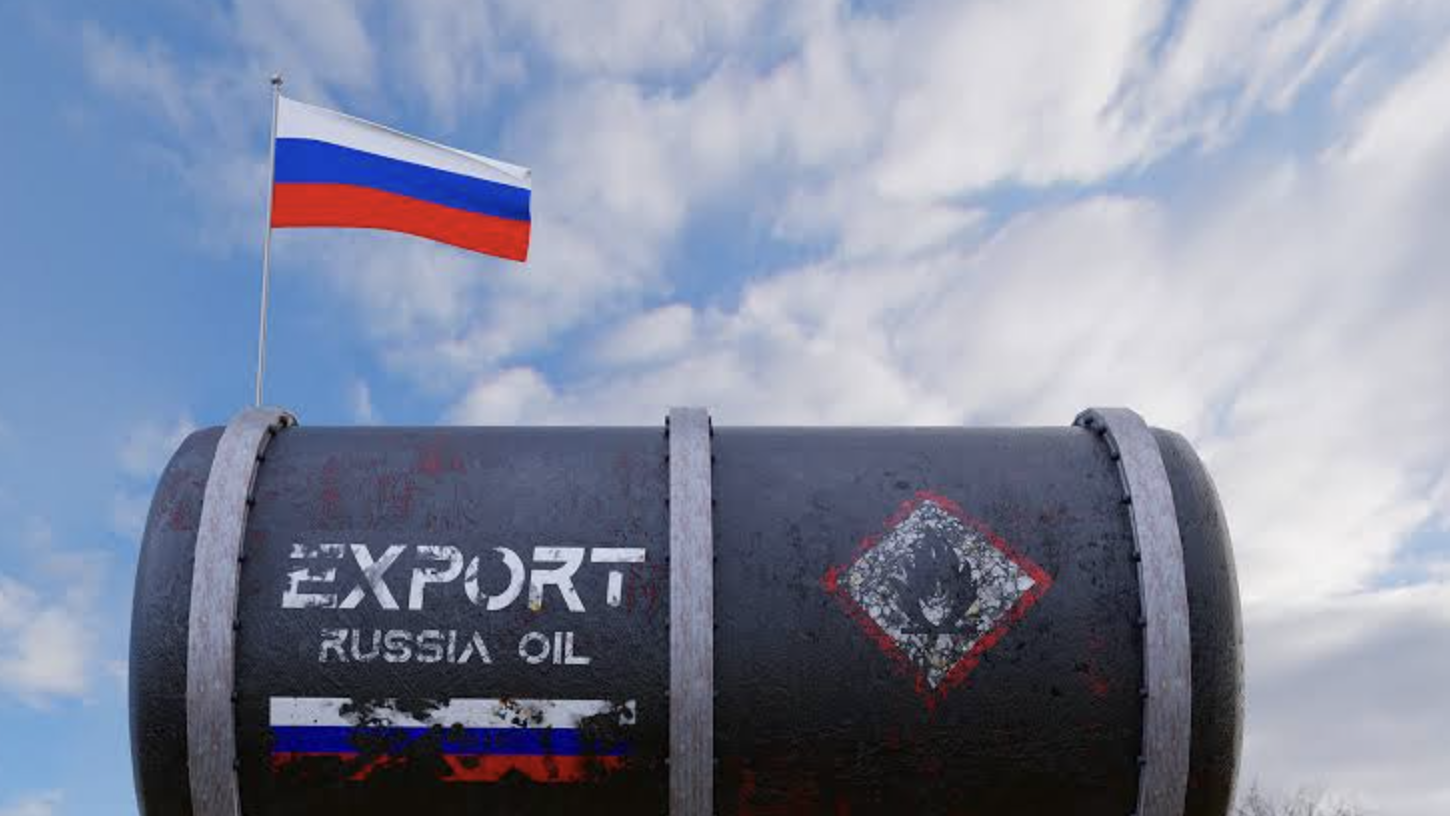
US President Donald Trump has waived key sanctions, restrictions and tariff provisions targeting Russia and major buyers of Russian oil and gas, offering temporary relief to countries such as India and China. The decision comes as Washington weighs its policy towards Moscow against rising energy costs, global supply pressures and its wider economic relationships.
What Has Trump Announced?
Trump invoked Section 115 of the Lindsey O. Graham Sanctioning Russia and Iran Act of 2026 to suspend specified sanctions-related measures and duties under the legislation. He cited the national interest of the United States and submitted the required certification and explanatory report to Congress.
The law had authorised tariffs of up to 100% on goods imported from major buyers of Russian-origin crude oil and natural gas, including countries such as India and China. It also provided for steep duties on Russian goods.
The waiver temporarily prevents the specified measures from taking effect. However, it does not permanently repeal the legislation, and the US administration retains the ability to reconsider its position.
Why Is the Decision Important for India?
India is among the world’s largest importers of Russian crude oil. Russian supplies have become an important part of the country’s energy mix, helping refiners access competitively priced crude and supporting domestic energy security.
Had Washington imposed additional tariffs on Indian goods, the consequences could have extended beyond the oil sector. Indian exporters selling products to the US could have faced higher costs and weaker competitiveness, potentially affecting businesses, employment and trade negotiations.
The waiver removes this immediate threat of a fresh tariff escalation linked to India’s purchases of Russian energy. It also gives Indian policymakers and companies more time to assess their sourcing strategies.
Will Petrol and Diesel Prices Fall in India?
The waiver does not automatically mean that petrol or diesel prices will fall at Indian fuel stations. Retail fuel prices depend on several factors, including international crude oil prices, the rupee-dollar exchange rate, refining costs, taxes and the pricing decisions of oil marketing companies.
However, continued access to Russian crude could help Indian refiners manage input costs if the supplies remain competitively priced. Any eventual benefit for consumers would depend on broader market conditions and how those savings are passed through.
Why Has Washington Changed Course?
The US administration faces competing priorities. It wants to maintain pressure on Russia over the war in Ukraine while also managing domestic fuel costs and avoiding unnecessary trade disputes with important economic partners.
The decision also comes amid pressure on global energy supplies caused by geopolitical conflicts and attacks on energy infrastructure. Disruptions in major oil-producing regions can push prices higher, making additional supplies more important for energy-importing economies.
Is the Relief Permanent?
No. The waiver provides temporary breathing space rather than a lasting guarantee. Washington could reconsider or reinstate the relevant measures, depending on its assessment of national interests and developments in relations with Russia.
For India, the development is a welcome reduction in immediate trade uncertainty. Nevertheless, maintaining diversified energy supplies and preparing for renewed tariff pressure remain important priorities.
Trump’s decision gives India more room to continue managing its energy needs without facing the immediate threat of additional US tariffs under the specified provisions. But the underlying geopolitical tensions remain unresolved, meaning India’s energy trade and broader economic relationship with Washington will continue to require careful balancing.
Image Source