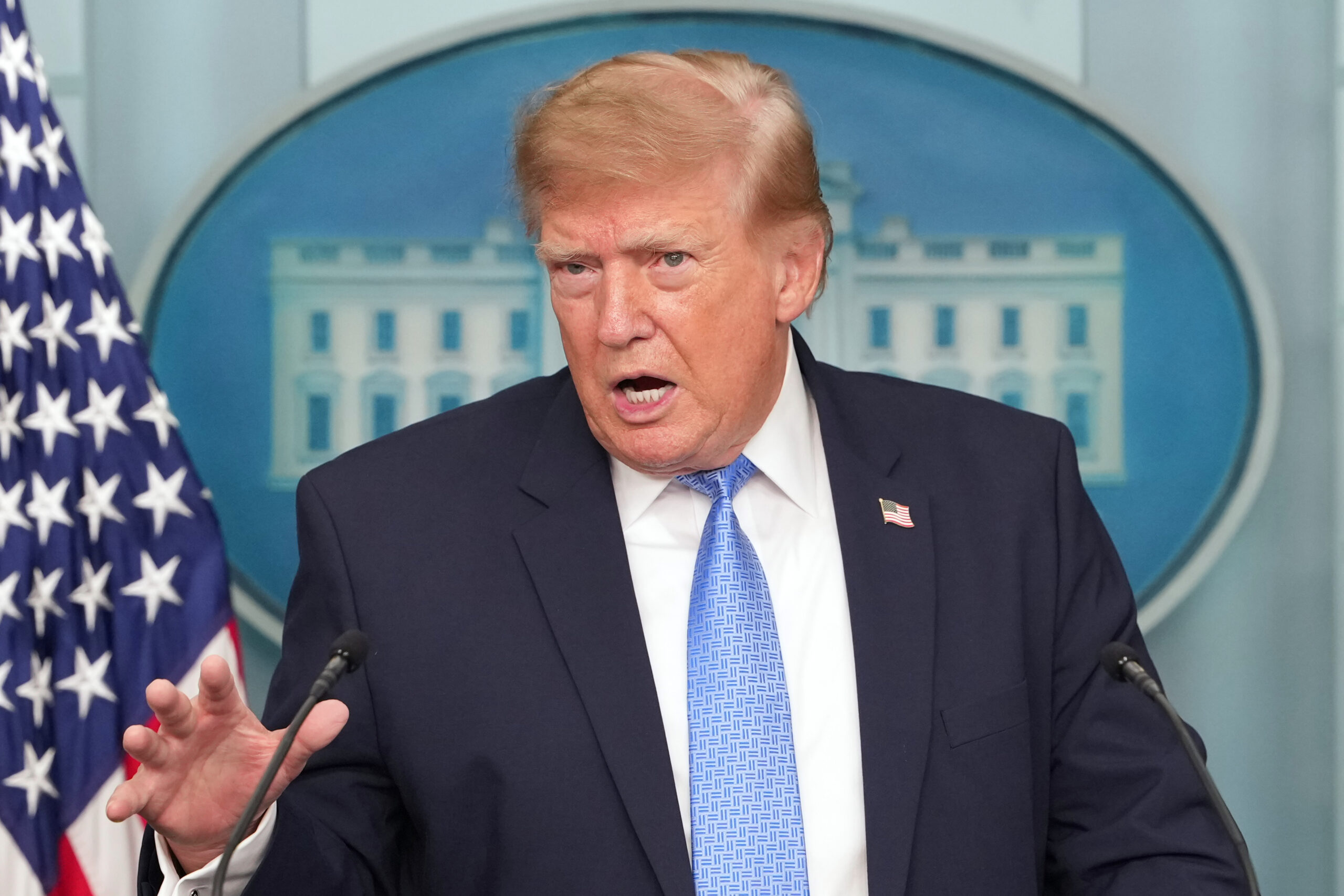
Trump SNAP Proposal Could End Eligibility for 6.3 Million Americans/ NEWSLOOKS/ WASHINGTON/ J. Mansour/ The Trump administration has proposed tightening SNAP eligibility rules, potentially excluding 6.3 million people by fiscal year 2029. The plan would restrict a pathway that allows recipients of certain other government benefits to qualify for grocery assistance. The proposal is open for public comment and would not take full effect for about two years if finalized.
Quick Look
- Projected impact: USDA estimates 6.3 million people could lose SNAP eligibility by fiscal year 2029.
- Proposal, not final policy: Public comments are being accepted until next month.
- Eligibility pathway targeted: The rule would narrow how TANF-funded benefits help households qualify for SNAP.
- Broad state use: Forty-one states and Washington, DC, use some form of broad-based categorical eligibility.
- School meal implications: Nearly 1.8 million children could lose automatic eligibility tied to SNAP, though most would qualify through another process.
- Enrollment decline: SNAP served 36 million people in July, down 13% from a year earlier.
- Additional pressures: Expanded work requirements and higher state costs are already changing the program.

Deep Look
Proposed Rule Could Exclude Millions From SNAP
The Trump administration is proposing stricter eligibility rules for the Supplemental Nutrition Assistance Program, a change the Agriculture Department estimates could exclude approximately 6.3 million people by fiscal year 2029.
The proposal targets a pathway allowing some households receiving benefits through Temporary Assistance for Needy Families, or TANF, to qualify for SNAP without undergoing a separate set of eligibility tests.
Administration officials describe the change as closing a loophole. Critics say it would remove flexibility states use to assist working families with limited resources.
The proposed rule was published Tuesday, with public comments accepted until next month. If finalized, it would not take full effect for about two years.
Rule Targets Connection Between TANF and Food Benefits
TANF provides federal grants to states, which establish their own rules for distributing cash assistance and other benefits to low-income families with children.
SNAP generally limits gross income eligibility to 130% of the federal poverty level—slightly more than $1,700 a month for an individual or nearly $3,600 for a family of four.
To reduce duplicative paperwork, federal rules allow qualifying TANF recipients to establish eligibility for SNAP through their participation in that program. Households must still apply for food assistance.
Some states have used this approach, known as broad-based categorical eligibility, to reach households that would not otherwise qualify.
In 2009, the Obama administration encouraged states to provide minimal TANF-funded services, such as informational pamphlets or access to a telephone hotline, as a route to SNAP eligibility.
A USDA report published last year found that 41 states and the District of Columbia used some form of the policy.
New Proposal Goes Beyond Earlier Trump Plan
The first Trump administration proposed restricting this eligibility pathway in 2019. The Biden administration withdrew that proposal in 2021.
“Simply put, we did not want to remove millions of people from the program, particularly working poor or children,” said Stacy Dean, a former Biden administration USDA official who now leads George Washington University’s Global Food Institute.
Georgetown University law professor David Super said the latest proposal is broader.
It could prevent states from using benefits such as employment counseling or one-time vehicle repair vouchers to establish SNAP eligibility, he said.
“The administration here is basically proposing to eliminate the flexibility that Congress gave the states to serve working poor people,” Super said.
School Meal Access Could Become More Complicated
The proposal could also affect how children qualify for school meals.
Children in SNAP households automatically qualify for free school meals. USDA estimates that nearly 1.8 million children would lose that SNAP-linked eligibility if their families leave the program under the proposed change.
The department says 97% would still qualify for free or reduced-price meals through another process.
However, some eligible children could miss out if their families do not complete the required applications.
The projected effect therefore includes both changes in eligibility and additional paperwork that could interrupt access.
SNAP Enrollment Has Already Fallen Sharply
The proposal follows a substantial decline in participation.
USDA said 36 million people received SNAP benefits in July, down 13% from a year earlier. About 5.5 million people have lost benefits over the past year.
During that period, expanded work requirements reached additional recipients, including adults ages 55 to 64 and parents whose youngest children are at least 14.
The projected 6.3 million affected by the new proposal is separate from that earlier decline. It is an estimate of future eligibility losses if the rule takes effect, rather than a count of people already removed.
States Face Higher Administrative and Benefit Costs
Trump’s 2025 tax and policy law also increased states’ financial responsibilities for SNAP.
States will be required to cover roughly three-fourths of administrative expenses, up from half. They must also pay a portion of benefit costs if payment error rates exceed specified thresholds.
Congressional Democrats are seeking to delay implementation of the benefit cost-sharing change.
The proposed eligibility rule “is just one of many things right now that states are grappling with that would reduce access to SNAP,” said Carolyn Vega, director of policy analysis at Share Our Strength.
The Center on Budget and Policy Priorities warned that the added eligibility complexity could increase state error ratespotentially raising their financial obligations.
Debate Centers on Access and Eligibility Standards
The left-leaning Center on Budget and Policy Priorities criticized the proposal as inconsistent with voters’ concerns about affordability.
“The public indicated they want their elected officials to focus on making life affordable,” the organization said. “Yet the Trump Administration is doubling down on making it harder for people to feed their families.”
Dartmouth College economics professor Patricia Anderson offered a different assessment.
Among the administration’s SNAP reductions, “this one seems the most reasonable,” she said, because categorical eligibility allows some households with higher incomes to qualify.
But Anderson added that a separate debate is warranted over whether the program’s underlying eligibility standards are too restrictive.
More on US News