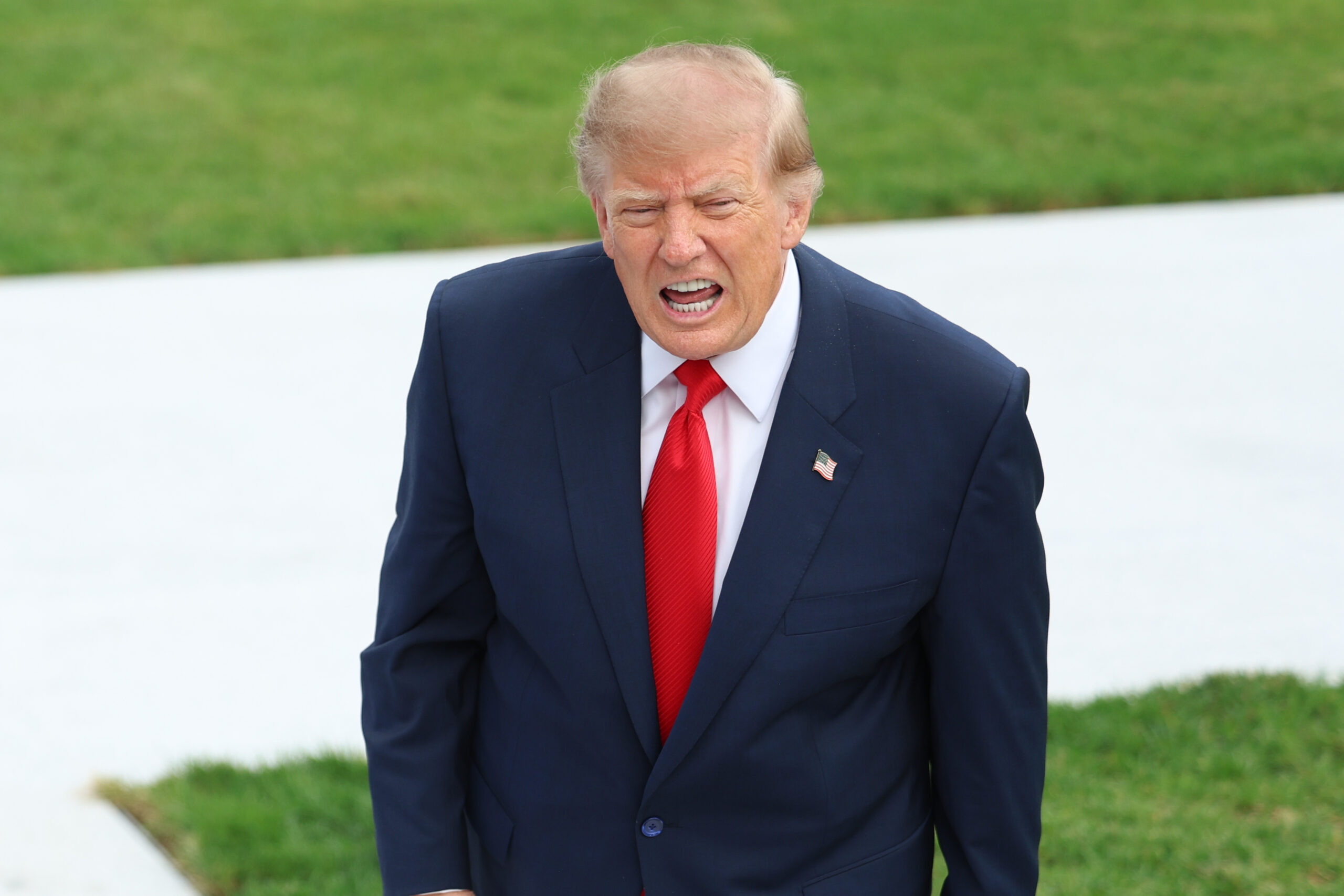
Trump’s Russian Diesel Deal Unlikely to Significantly Lower US Prices, Experts Say/ TezzBuzz/ WASHINGTON/ J. Mansour/ Energy experts say President Donald Trump’s agreement to obtain Russian diesel is unlikely to substantially lower fuel prices in the United States. The deal reverses restrictions on Russian oil imports as high diesel costs increase shipping expenses and pressure household budgets ahead of the midterms. Analysts say disrupted Middle Eastern supplies will keep prices elevated, while renewed Russian exports could ease financial pressure on Moscow.
Quick Look
- Supply agreement: Russia would initially provide more than 300,000 tons of diesel, followed by 500,000 tons in November and 4 million tons later.
- Current prices: U.S. diesel averaged nearly $6.28 per gallon Friday, compared with almost $3.68 a year earlier.
- Record high: AAA recorded a national diesel average of $6.53 on Sept. 22.
- Consumer impact: Higher diesel costs increase freight, delivery and food expenses.
- Limited relief: Experts anticipate little nationwide price reduction, although some regional markets could see small declines.
- Global constraints: The Iran war and Strait of Hormuz disruptions continue to restrict refined fuel supplies.
- Russian benefit: The agreement could help Moscow sell summer-grade diesel and reduce pressure on its export revenue.

Deep Look
Experts Question Price Benefits of Trump’s Russian Diesel Agreement
President Donald Trump’s agreement with Russia to increase diesel supplies is unlikely to deliver substantial relief from high fuel prices, according to energy policy specialists.
Trump announced Friday that Russian President Vladimir Putin had agreed to immediately provide the United States with more than 300,000 tons of diesel.
Another 500,000 tons would follow in November, with an additional 4 million tons arriving afterward at an unspecified time.
The agreement represents a major change in U.S. policy. Washington prohibited Russian oil imports following Moscow’s invasion of Ukraine.
It also comes as the U.S. economy faces higher energy costs linked to the ongoing war with Iran, which has disrupted global oil supplies.
Record Diesel Prices Increase Costs Beyond the Pump
Diesel prices have climbed to record levels in recent weeks, adding inflationary pressure across transportation networks and consumer goods.
According to AAA, the national average reached a record $6.53 per gallon on Sept. 22.
By Friday, it had declined to nearly $6.28, but remained substantially above the almost $3.68 average recorded a year earlier.
European diesel prices have also reached record highs.
Because diesel powers much of the freight and delivery system, higher fuel costs affect the movement of everyday products.
Some businesses have already passed those expenses to customers through additional charges on online purchases and mailed packages.
Grocery Prices Face Pressure From Transportation and Farming Costs
Perishable foods, including meat and produce, are especially exposed to rising diesel costs.
These products require frequent transportation and restocking. Farm machinery used to harvest some foods also runs on diesel.
The increased expenses can contribute to higher grocery bills, adding to the affordability concerns facing American households.
Those pressures have intensified demands on Trump and Republicans to address rising prices before the Nov. 3 midterm elections.
An AP-NORC poll released last week found that approval of Trump’s economic management had fallen to a new low as the Iran war and trade disputes pushed up the cost of oil and other goods.
Redirecting Russian Supplies May Produce Little Nationwide Relief
Michael Lynch, a distinguished fellow at the Energy Policy Research Foundation, said buying Russian diesel could primarily change where existing supplies are delivered.
“It’s kind of shuffling deck chairs on the Titanic,” said Lynch, whose organization is a nonpartisan institution focused on energy and economics.
“If we get diesel from Russia, basically it means that their existing customers are not going to get it and they’ll have to go somewhere else, and that will keep the price basically where it is now,” Lynch said.
That limits the prospect of broad savings for truckers, ranchers and farmers who have faced steep increases in fuel expenses.
Lynch said any price relief could be small and concentrated in particular markets.
“The best you could hope for is a tiny dip in prices locally in places like the New York-New Jersey area, Philadelphia maybe,” Lynch said. “It just means that the oil is just going to be shuffled around and it’s not really going to change the price globally or across the U.S.”
Iran War Disruptions Continue to Constrain Diesel Supplies
Russia banned diesel exports in July after Ukrainian drone attacks on its refineries.
Daniel Sternoff, a senior fellow at Columbia University’s Center on Global Energy Policy, said renewed exports could help stabilize global diesel prices if Russia can resume supplying the market.
However, he cautioned that substantial price reductions remain unlikely.
Disruptions in the Strait of Hormuz have prevented significant Middle Eastern refining capacity from supplying world markets during the U.S.-Iran war.
“Refined products like diesel are still barely half of prewar levels,” Sternoff said. “So, even if there were to be some follow-through from the Russians to put a little extra diesel into the world markets, it might take the edge off of prices, but it will not substantially lower them.”
Diesel Agreement Could Ease Revenue Pressure on Moscow
Clayton Seigle, an energy strategist at the Center for Strategic and International Studiessaid the agreement would likely benefit Russia more clearly than American diesel consumers.
Russia is seeking to sell summer-grade diesel as it prepares for demand for heavier winter and arctic grades in the coming months.
The arrangement could therefore provide Moscow with an outlet for those supplies while easing pressure on its energy revenue.
“I don’t think it’ll be enough to materially lower prices in the United States or Europe, but it does certainly let Moscow off the hook in terms of revenue squeeze,” Seigle said.
More on US News