An unexpected surge in Turkish military transport flights landing at various Pakistani airbases has sparked serious discussions and strategic vigilance within Indian defence circles. Aviation and open-source flight trackers noted multiple heavy-lift operations conducted between August 19 and 21, amplifying concerns regarding potential military hardware transfers to Pakistan.
Unusual Surge in Transport Aircraft Movements
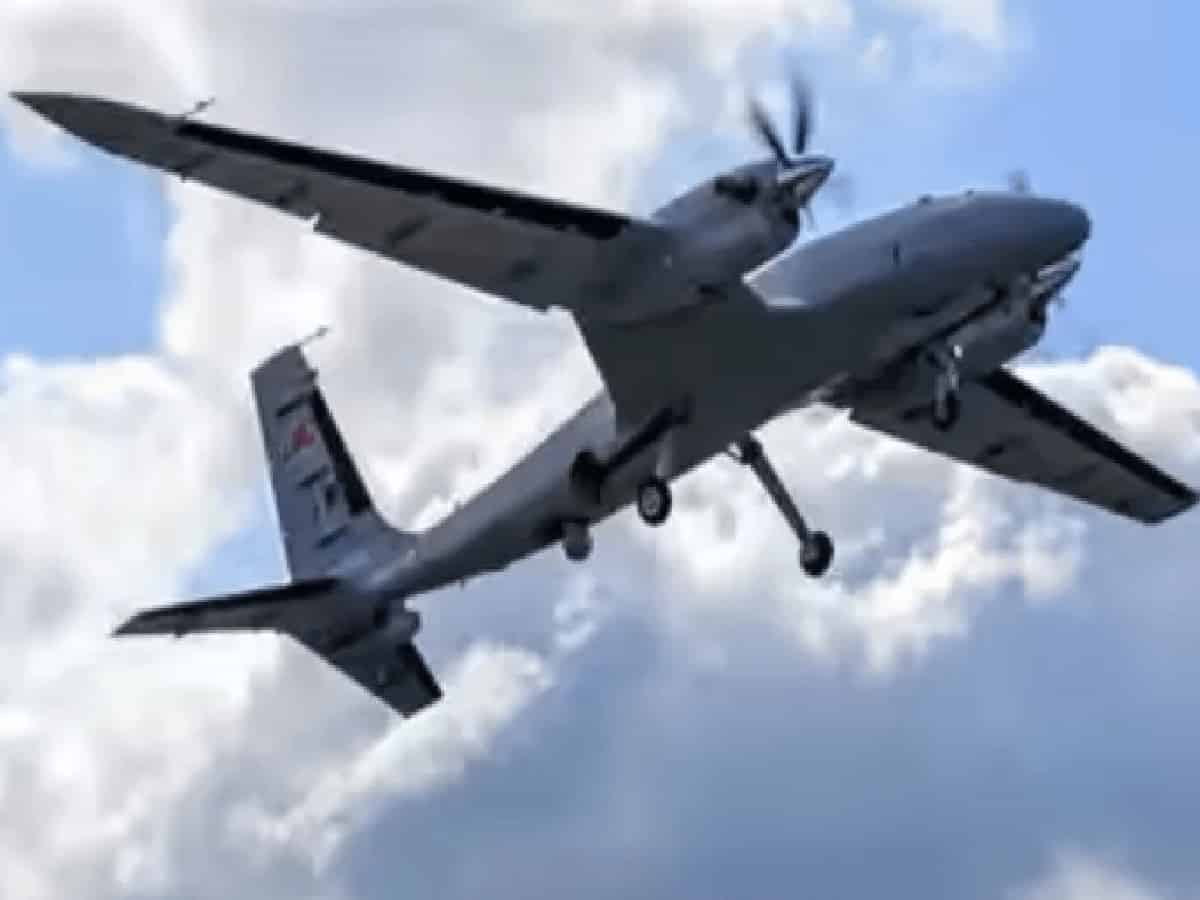
According to open-source intelligence and flight tracking data, several Turkish military transport aircraft—including the C-130 Hercules and the advanced A400M—touched down at key Pakistani airbases such as Nur Khan, Masroor, and Murid. Defence analysts suspect these frequent flights may be facilitating the covert or expedited transfer of sophisticated Turkish military hardware, potentially featuring unmanned aerial systems and cutting-edge air defence equipment like Baykar and Asisguard systems. Neither Islamabad nor Ankara has issued an official statement clarifying the precise cargo or nature of these transport missions.
Strategic Implications of the Makkah Joint Defense Agreement
This uptick in military logistics follows closely on the heels of the trilateral Makkah Joint Defense Agreementsigned on August 7 between Pakistan, Turkey, and Saudi Arabia. The pact establishes a mutual defense framework wherein an armed aggression against any single signatory nation is treated as a collective assault against all three.
While diplomatic channels continue to evaluate the regional ramifications of this alliance, security experts in New Delhi are closely monitoring whether these supply lines indicate preparations aimed at altering the regional military balance or boosting offensive capabilities.
Lessons from Past Engagements
Defence observers recall that prior to Operation Sindoor in May of the previous year, Pakistan received substantial military support from foreign partners, including advanced Chinese air-to-air missiles and Turkish-origin kamikaze drones alongside tactical data sharing.
During that four-day conflict, the Indian Armed Forces successfully neutralized all incoming aerial threats utilizing an integrated multi-layered air defence grid and indigenous counter-offensive technologies. As current developments unfold, Indian security agencies remain fully alert to monitor and address any emerging strategic challenges along the western border.