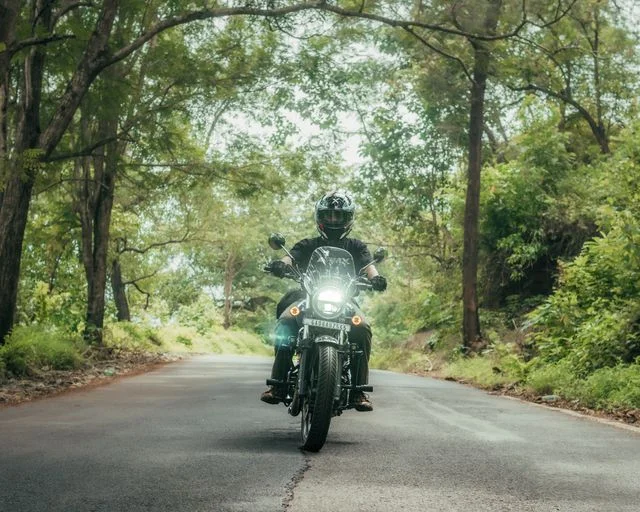
Owning a motorcycle or scooter brings convenience, whether you use it for work, college or family errands. But a road accident, theft or unexpected damage can create expenses that are difficult to plan for.
Insurance helps you deal with certain risks, provided the incident falls within your policy’s terms. Understanding the available plans is useful because not every policy covers the same situations. Here is what you should know before deciding.
What Does a Two-Wheeler Policy Cover?
For motorcycle and scooter owners, two-wheeler insurance provides different levels of financial protection. Every motor vehicle used on public roads must have valid third-party liability cover.
It addresses legal liabilities towards others after an accident. You can also choose cover for damage to your own two-wheeler, depending on your needs.
Understand the Three Main Policy Types
The main difference is whose loss the policy addresses.
| Policy Type | What It Covers | Who Might Consider It |
| Third-party | Legal liability for injury, death or property damage caused to others | Owners who need the mandatory liability cover |
| Comprehensive | Third-party liability plus eligible damage to your vehicle from accidents, theft, fire and specified events | Riders who want both types of cover in one policy |
| Standalone own damage | Eligible loss or damage to your vehicle | Owners who already hold an active third-party policy |
Standalone own damage works alongside mandatory third-party cover. Owner-driver personal accident cover is also required, subject to applicable rules and exemptions.
Benefits Worth Understanding
Insurance serves more than one purpose. What you receive depends on the plan you purchase.
- Support after accidental damage: Own damage cover can help with eligible repairs following a covered incident.
- Theft cover: If an insured vehicle is stolen, a qualifying claim is assessed using its Insured Declared Value (IDV) and policy conditions.
- Cashless repair option: At an insurer’s network garage, eligible repair expenses may be settled directly with the workshop. You may still have to pay applicable deductions.
- Choice of additional benefits: Depending on availability, add-ons such as roadside assistance, zero depreciation and engine protection can extend specific parts of the cover.
- No Claim Bonus: Claim-free periods may earn a discount on the own damage portion of a renewal premium, subject to the applicable rules.
How to Choose a Suitable Plan for Two-Wheeler?
Rather than choosing from the plan name alone, ask yourself a few practical questions.
What Do You Want Covered?
Decide whether meeting the legal third-party requirement is enough for your circumstances or whether you also want insurance for your vehicle.
How Much Is Your Vehicle Insured For?
If you choose own damage cover, examine the IDV carefully. It plays an important role in theft and total loss claims. Also read the deductible, your share of an eligible claim.
What Happens When You Need Assistance?
When you need help after an accident, a clear claim process and access to nearby garages can make things easier. Before completing your two-wheeler insurance renewalcheck how to contact the insurer, whether cashless repairs are available at network garages, and what roadside assistance includes.
Read the service conditions so you know whom to approach when something happens while travelling.
Final Thoughts
Choosing suitable insurance starts with understanding what each policy offers and how it meets your needs. Third-party insurance fulfills the legal requirement, while comprehensive coverage includes additional benefits for your vehicle.
Before purchasing, check the coverage, insured value, available add-ons and claim process. Reading the policy terms carefully can help you make an informed decision. The right choice depends on your vehicle, riding requirements and the level of coverage you prefer.