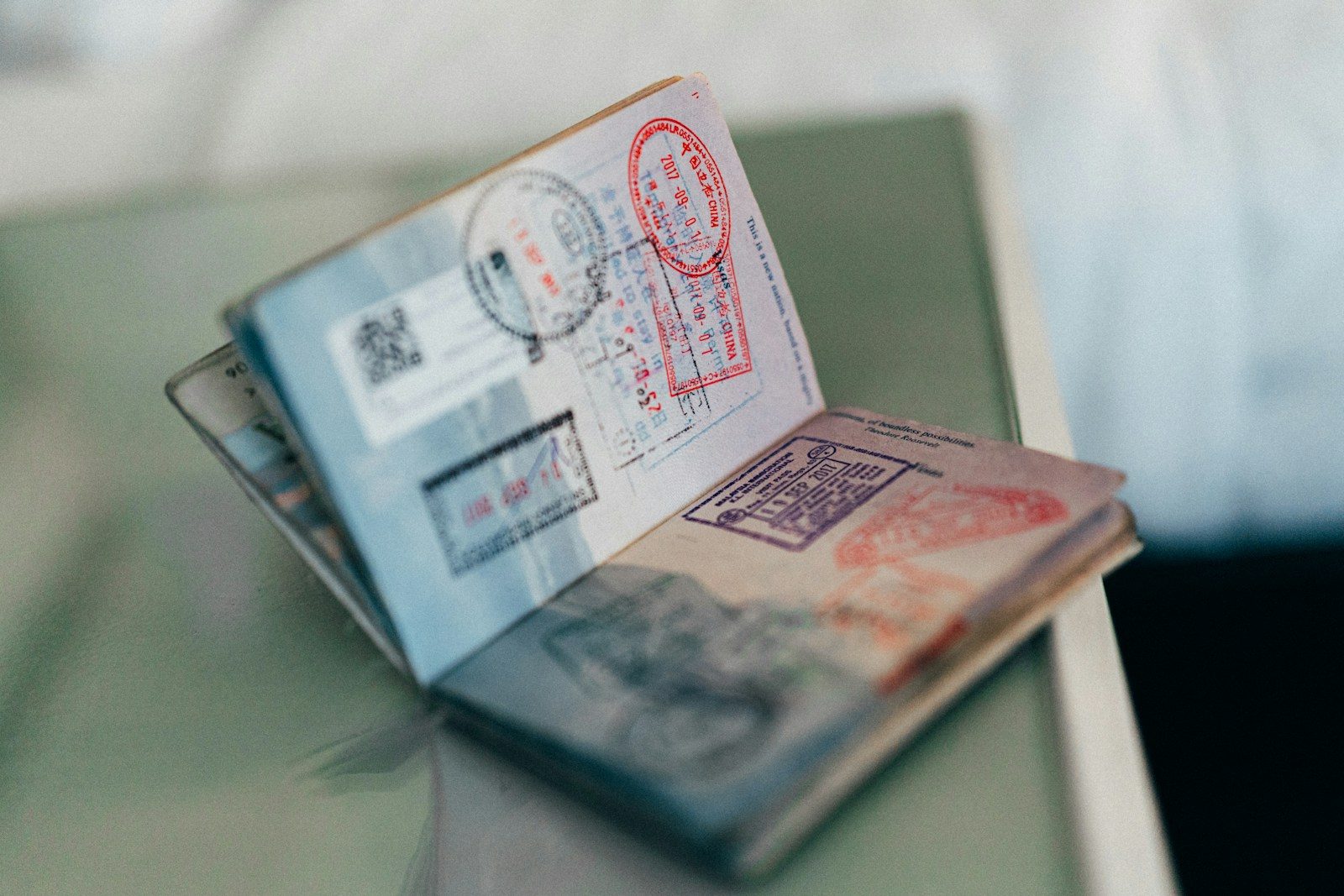
The reported plan targets B1 and B2 visa holders who applied for asylum, not all foreign visitors. Indian nationals in that category could face serious travel and immigration consequences, while most Canadian citizens would remain outside the direct scope because they generally do not need visitor visas.
By Obnews Editorial Staff
August 25, 2026
WASHINGTON: The Trump administration is preparing what could become the largest mass visa revocation in American history, targeting as many as 200,000 foreign nationals who entered the United States with business or tourism visas and later applied for asylum. The State Department is expected to act on a rolling basis in coordination with the Department of Homeland Security, according to internal documents obtained by The Associated Press and two U.S. officials.
The reported action would cover B1 business visas and B2 tourism visas issued between 2016 and 2026 to people who have sought or are currently seeking asylum in the United States. The figure of 200,000 is an estimate reported by the AP, not a confirmed final total from the State Department. Spokesman Tommy Pigott confirmed that the department is working with DHS to identify people who entered as temporary visitors and subsequently filed asylum applications, but said the number of revocations would remain dynamic.

The policy is not yet final, and the public details available so far do not identify how many Indian or Canadian nationals would be affected. It is also not a cancellation of every B1 or B2 visa, a ban on all asylum applicants or a blanket measure against any particular nationality. The direct target is the overlap between two groups: people holding covered visitor visas and people who later submitted asylum claims.
The administration argues that applying for asylum after entering as a temporary visitor may show that the traveler did not genuinely intend to make only a short visit. Deputy Secretary of State Christopher Landau has accused some applicants of treating asylum as a loophole. U.S. asylum law, however, explicitly allows a person who is physically present in the country to seek protection regardless of how the person arrived or what immigration status the person currently holds. Filing an asylum application after entering with a visitor visa is therefore not automatically proof of fraud. Whether an individual misrepresented an intention at the time of the visa application or entry remains a separate factual and legal question.
A visa revocation is also not identical to a deportation order. A visa is primarily a document permitting a foreign national to travel to a U.S. port of entry and request admission. The person’s authorized period of stay inside the country is normally recorded separately on Form I-94. The AP reports that most people with pending asylum cases would be recategorized and would no longer be treated as business or tourism travelers, but their asylum applications would not automatically disappear merely because the visitor visa was cancelled.
That distinction does not mean the consequences would be minor. A revoked B1 or B2 visa could no longer be used to return to the United States after international travel. A person whose visitor status has expired may have no continuing nonimmigrant status even while an asylum application remains pending. A bona fide pending asylum case generally prevents that period from being counted as unlawful presence, but it does not necessarily recreate B1 or B2 status or provide all the benefits of lawful nonimmigrant status.
Travel would become especially risky. USCIS warns that an asylum applicant who leaves the United States without first obtaining advance parole is generally presumed to have abandoned the asylum application. Even advance parole does not guarantee that Customs and Border Protection will permit the person to return. Anyone potentially affected would therefore need individualized legal advice before leaving the country, even for a family emergency or a short trip to Canada or India.
How Indian Nationals Could Be Affected
Indian citizens would be directly exposed if they received a B1, B2 or combined B1/B2 visa during the covered period and later filed an American asylum application. They could receive notice that the visitor visa has been revoked, lose the ability to use it for future travel and face increased scrutiny concerning what they told consular or border officials about the intended length and purpose of their original visit.
The proposal does not mean that all Indians in the United States are at risk of losing their visas. Nothing reported so far suggests the mass action would automatically cancel H-1B work visas, F-1 student visas, L-1 intracompany visas, green cards or other classifications simply because the holder is Indian. An Indian national with a pending asylum claim may still face separate immigration consequences based on that person’s status, history and case, but those questions are different from the reported B1 and B2 revocation program.
The consequences could be most serious for Indian families who entered as visitors, allowed their authorized visitor stays to expire and now rely primarily on pending asylum applications and related employment authorization. The visa cancellation itself may not immediately terminate a pending asylum case or an asylum based work permit, but the administration could issue additional DHS instructions affecting classification, enforcement or employment documents. Those details will not be clear until the government releases the formal policy.
Indian passport holders who live in Canada require particular attention. Becoming a Canadian permanent resident does not make someone a Canadian citizen and does not eliminate the requirement for a U.S. visitor visa. An Indian citizen who is a Canadian permanent resident, holds a B1/B2 visa and later sought asylum in the United States could therefore fall squarely within the reported target group.
How Canadian Citizens Could Be Affected
Most Canadian citizens would not be directly affected because Canadian citizens generally do not require B1 or B2 visas for ordinary tourism, family visits or temporary business travel to the United States. Since the reported action concerns the revocation of actual B1 and B2 visas, most Canadian citizens do not possess the document being targeted.
That does not give Canadians an unconditional right to enter the United States. Customs and Border Protection retains authority to admit or refuse Canadian travelers at the border. A Canadian citizen who previously violated U.S. immigration rules, made an asylum claim, was found inadmissible or gave inconsistent explanations about the purpose of travel could face additional questioning or refusal of admission even without a visa to revoke.
Canadian citizens using other classifications, including TN professional status, H-1B, L-1 or lawful permanent residence, are not described as targets of this particular B1 and B2 initiative. A person who actually holds a B visa because of unusual travel circumstances and also filed for asylum could still be reviewed. Canadians should therefore distinguish citizenship from residence and visitor privileges from formal immigration status.
The largest Canadian impact may be felt in mixed status families. One spouse may be a Canadian citizen who normally crosses without a visa, while another may be an Indian citizen and Canadian permanent resident who relies on a B1/B2 visa. Under the reported policy, two members of the same Canadian household could face completely different consequences based on citizenship, the visa in the passport and whether an asylum application was filed.
Why Legal Challenges Are Expected
Federal law gives the Secretary of State and consular officers broad discretion to revoke visas. However, a policy treating the act of applying for asylum as sufficient grounds for mass revocation could be challenged under immigration law and federal administrative procedure. Opponents are likely to argue that Congress expressly permitted people to seek asylum regardless of their manner of arrival or existing status and that the government cannot automatically equate a lawful asylum filing with deception.
The administration would answer that a B visa is issued only for a temporary purpose and that a later attempt to remain permanently may undermine the eligibility on which the visa was granted. Courts may ultimately have to decide whether the government is merely withdrawing permission for future visitor travel or improperly punishing people for exercising a right created by the asylum statute. The outcome may also depend on whether cases receive individualized review and what DHS does after the State Department revokes the visa.
For now, no Indian or Canadian traveler should assume that 200,000 people have already lost their visas. The reported revocations have not yet been formally announced, the final number is unknown and implementation may be revised or challenged. People with pending asylum applications should review their Form I-94, passport visas, employment authorization and hearing notices, keep their address current with the appropriate immigration agency and consult a licensed U.S. immigration lawyer before traveling or responding to any revocation notice.