
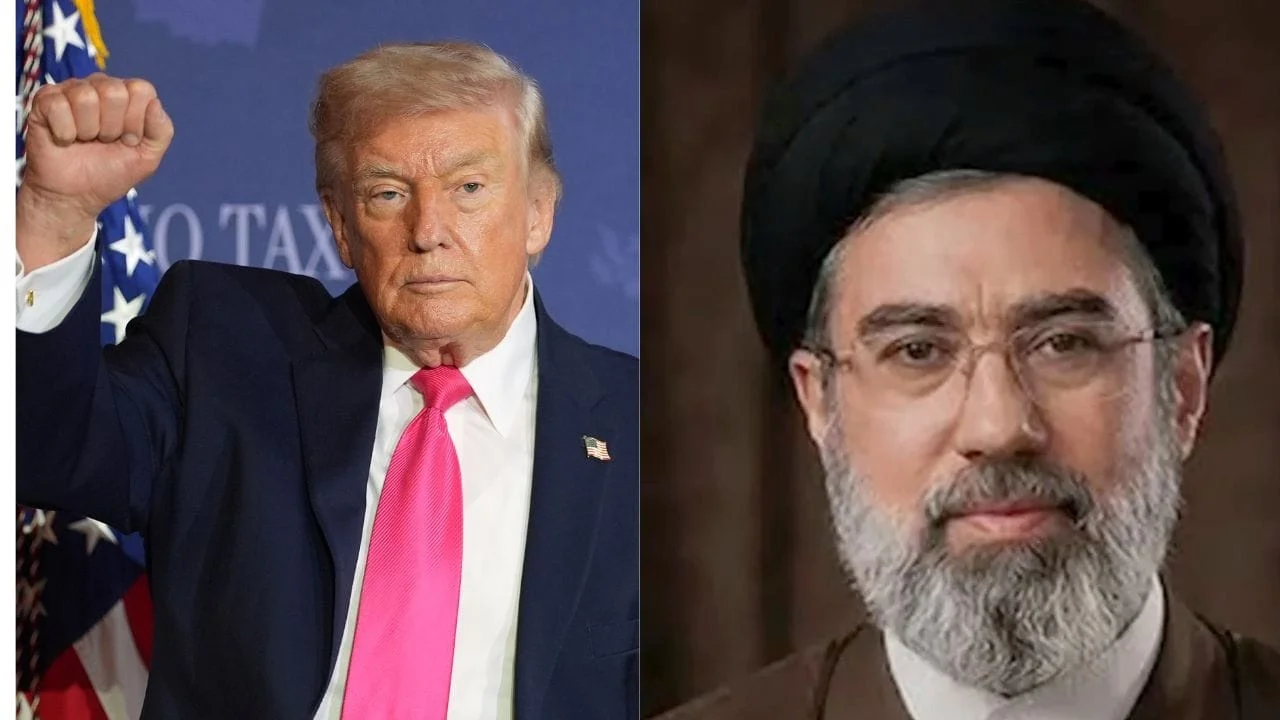
US and Iran Agree to Emergency Ceasefire After Fierce Clashes Threaten Fragile Peace Deal:

The United States and Iran have agreed to an immediate, temporary ceasefire following a dangerous weekend of direct military clashes that nearly destroyed their newly minted, eleven-day-old peace accord. Moving at a frantic diplomatic pace, both nations are now rushing high-level delegations to Doha, Qatar, for emergency talks on Tuesday, June 30, in a last-ditch effort to salvage the collapsing agreement.
According to reporting from Axios, Washington and Tehran have agreed to suspend all “kinetic activity entirely”—a military term denoting active combat operations—to establish a stable baseline for technical negotiations. This sudden pause follows a weekend of fierce, unscripted violence where both sides traded heavy strikes, exposed by deeply conflicting interpretations of what they had originally agreed upon regarding maritime security.
The Venue Shifts to Doha Under Escalation Pressure
While diplomatic teams were originally scheduled to meet in Switzerland to engage in broad, long-term discussions surrounding Iran’s nuclear program, the weekend’s sudden violence forced a chaotic pivot. The venue was abruptly shifted to Qatar, forcing negotiators to pivot from sweeping non-proliferation talks to a much tighter, high-stakes agenda: preventing a full-scale regional war by hammering out immediate, enforceable rules for the strategic shipping route.
Nick Stewart, the head of the US technical team, is confirmed to participate in the high-pressure discussions. Diplomats have less than 48 hours to find common ground before the temporary pause expires and active military postures resume.
The Strait of Hormuz Strategic Sticking Point
The core of the crisis centres entirely on the critical Strait of Hormuz shipping lane. Under the initial memorandum of understanding signed less than two weeks ago, Iran had committed to ensuring safe passage for international commercial shipping vessels. In exchange, the United States agreed to completely lift its highly restrictive naval blockade on several key Iranian ports. To mitigate the risk of miscalculation, the framework also mandated the creation of a direct military hotline linking US regional commanders with Iran’s Islamic Revolutionary Guard Corps (IRGC).
However, US defence officials revealed that the vital communication hotline was never brought into operation over the weekend. Instead, Tehran began aggressively demanding that all transiting commercial ships coordinate their routes directly with Iranian authorities—a restrictive move that Washington claims violates both the spirit and the text of the original understanding.
Direct Air Strikes and Retaliation in the Gulf
This logistical disagreement rapidly devolved into heavy combat over the weekend. The United States launched precision airstrikes targeting Iranian radar installations and anti-ship missile infrastructure. US Central Command (CENTCOM) quickly issued a statement confirming that the operation was a defensive response to immediate Iranian attacks on commercial vessels moving through international waters.
The IRGC retaliated almost immediately, launching a wave of ballistic missiles and explosive drones targeting US military bases located in Kuwait and Bahrain. Iranian command structures issued an ultimatum, warning they would permanently dismantle all diplomatic channels if American “violations” continued. While the Pentagon reported zero American casualties from the retaliatory waves, the escalation prompted a fierce response from President Donald Trump on social media, who asserted that Washington was fully mobilised to resume maximum military action if Iran failed to honour the original framework.
For the moment, both global powers have stepped back from the brink to let technical diplomats attempt a resolution. The outcome of Tuesday’s high-stakes meeting in Doha will definitively determine whether this historic peace agreement survives its first major systemic crisis or if the region plunges back into open, unrestricted warfare.

Comments are closed.