
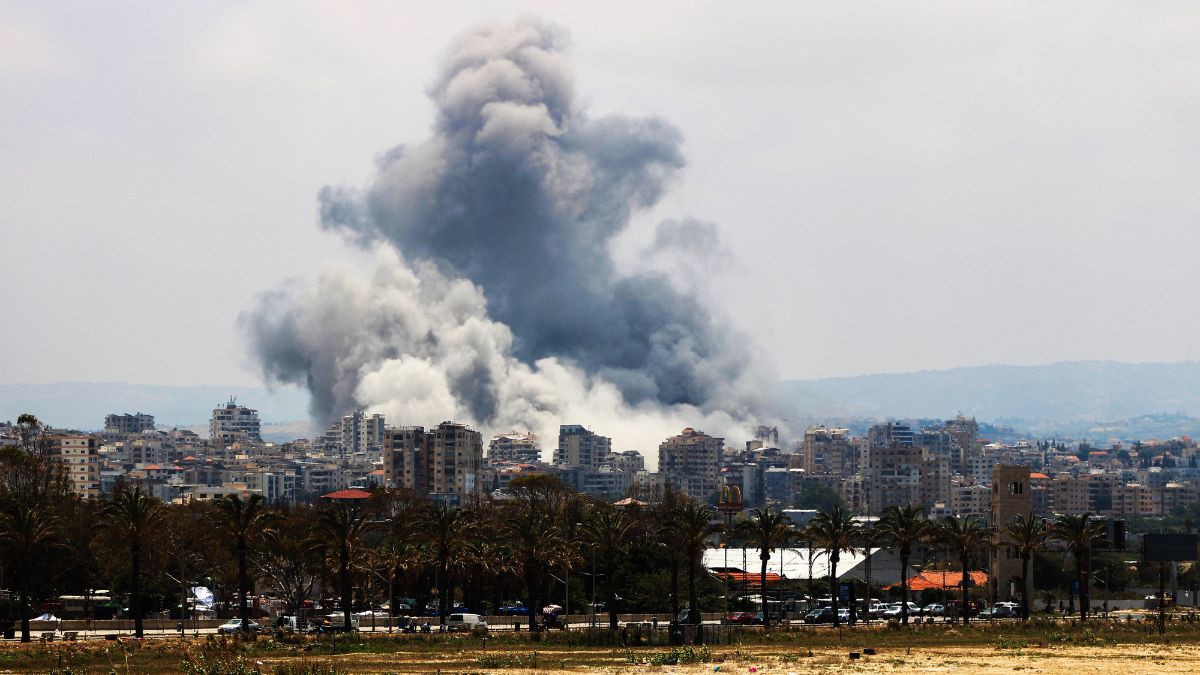
US forces intercept two Iranian ballistic missiles as tensions surge despite ceasefire efforts

The United States Central Command (CENTCOM) said American forces intercepted two Iranian ballistic missiles overnight, marking the latest escalation in growing tensions between Washington and Tehran despite ongoing diplomatic efforts aimed at preventing a wider regional conflict.
According to CENTCOM and reports citing US defence officials, the missiles were launched during the night and were successfully intercepted before they could reach their intended targets. No casualties or damage to US personnel or military infrastructure were reported following the interception. The incident has added to concerns over increasing military exchanges in the Gulf region and around the Strait of Hormuz.
According to CENTCOM, the missiles were specifically directed toward facilities hosting US forces in Kuwait. The command stated that American air and missile defence systems successfully tracked and intercepted both projectiles. “The missiles were defeated, and no US personnel were harmed,” US military officials said, underscoring the effectiveness of the defensive response. The incident represents one of the most serious direct missile threats against US forces in the Gulf region in recent months.
The missile interception comes amid a series of confrontations involving the United States and Iran in recent weeks. US military officials have repeatedly accused Iran of carrying out missile and drone operations targeting American forces and regional assets, while Tehran has alleged that Washington has conducted military strikes against Iranian facilities.
CENTCOM has maintained that American forces remain in a defensive posture and are continuing operations to protect US personnel, military installations and international shipping routes in the region. The command has also stated that it remains prepared to respond to threats against American interests.
The latest interception follows recent CENTCOM announcements regarding military action against Iranian radar systems, drone command-and-control facilities and air defence positions. US officials said those operations were carried out after what Washington described as aggressive actions by Iran, including the reported downing of a US MQ-1 drone operating over international waters.
Regional tensions have intensified around strategic waterways and military installations across the Gulf. Earlier incidents involved missile launches, drone interceptions and military responses linked to security operations near the Strait of Hormuz, one of the world’s most critical energy transit routes.
Reports indicate that the latest missile launch occurred during a fragile period of diplomatic engagement, with multiple countries urging restraint to avoid a broader military confrontation. Regional governments have expressed concern over continued exchanges between the two sides and the potential impact on stability, energy supplies and maritime security.
Iranian authorities have not immediately released detailed comments regarding the latest interception, though previous statements from Iranian military officials have linked missile and drone actions to responses against US military operations in the region.
Security analysts are closely monitoring developments as both countries continue military and diplomatic activity simultaneously. While no casualties were reported in the latest incident, the interception underscores the continuing volatility in the region and the risk of further escalation if hostilities persist.
The US military has not announced any immediate retaliatory action following the interception, but officials said forces remain on alert across the region.

Comments are closed.