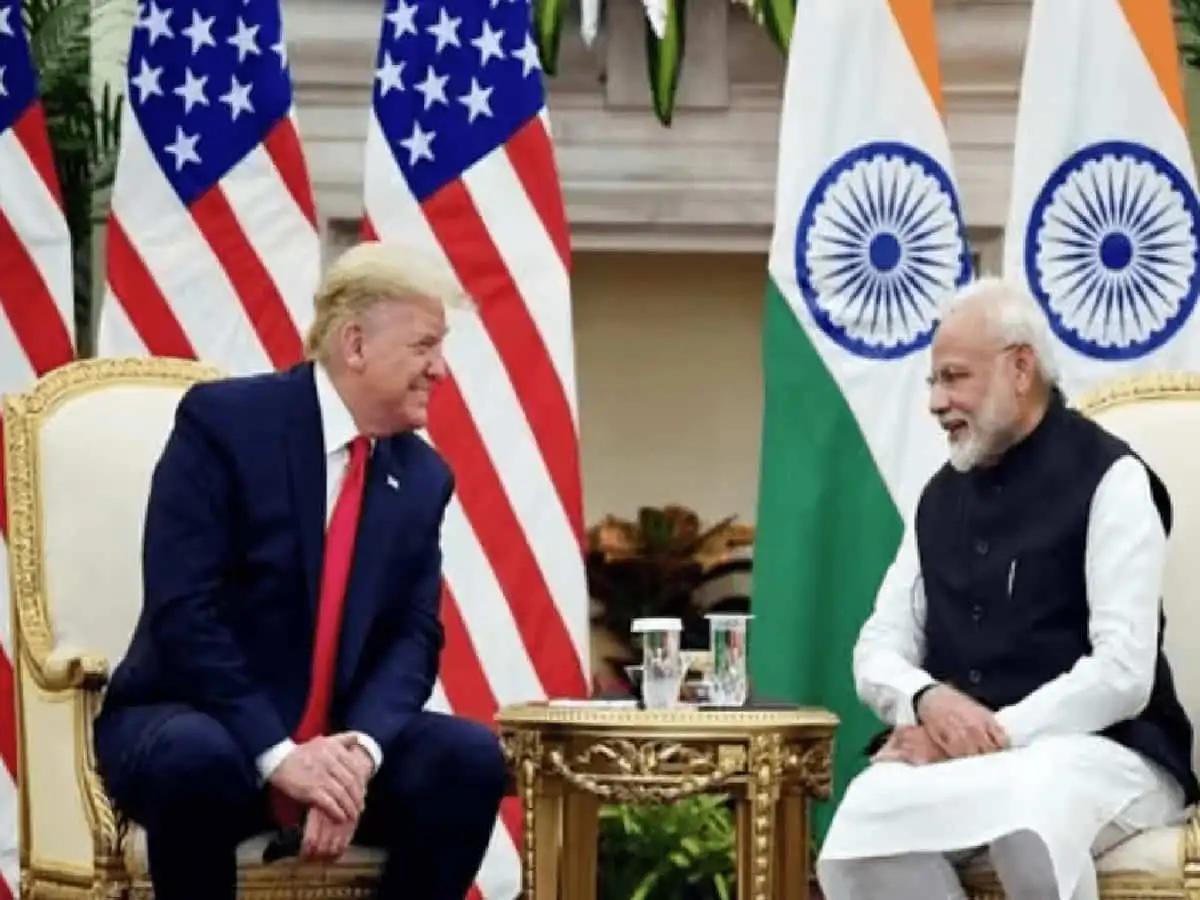
Just as New Delhi and Washington work toward finalizing their proposed bilateral trade deal, the Office of the United States Trade Representative (USTR) has introduced a fresh tariff lever—proposing additional duties of up to 25 percent on goods from 14 economies, including India, following a Section 301 investigation into structural excess production capacity in manufacturing. Announced by US Trade Representative Jamieson Greer on Wednesday, November 25, 2026—after an investigation launched in March 2026 following the US Supreme Court’s invalidation of earlier emergency reciprocal tariffs—the proposal is not yet in force and remains open to public comments through January 5, 2027, ahead of public hearings beginning January 25, 2027. Crucially, the USTR framework indicates that India’s proposed tariff ceiling could drop from 25 percent to 17 percent if New Delhi concludes a reciprocal trade agreement responsive to the investigation’s findings—keeping India’s potential rate lower than several Asian peers in sectors like apparel and textiles, even as specific exemptions shield key categories such as generic pharmaceuticals and smartphones while leaving labor-intensive exports like jewelry, apparel, shrimp, and solar components exposed. For exporters, industrial clusters, and investors across Uttar Pradesh—including businesses and readers in Lucknow and neighboring hubs such as Unnao, Kanpur, Prayagraj, and Varanasi, where leather, textiles, handicrafts, engineering goods, and market sentiment respond closely to US trade policy—how New Delhi navigates this consultation window carries direct economic weight.
Responding late on November 25, 2026, India’s Ministry of Commerce and Industry stated that it has taken note of the USTR determination and request for comments, rejected claims of structural overcapacity, and reiterated its commitment to resolving trade concerns through the ongoing India–US Bilateral Trade Agreement (BTA) negotiations initiated under the February 2, 2026 announcement and February 7, 2026 Joint Statement:
| Key Aspect | Verified Details & Policy Positions (Nov 25–26, 2026) |
| Proposed US Tariff Rate | Up to 25 percent on Indian goods (net of existing Section 301 tariffs, meaning importers pay whichever rate is higher rather than stacking atop July 2026’s 10% duty), reducible to 17 percent if India concludes a qualifying bilateral trade deal. |
| 14 Economies Covered | India, China, the European Union, Japan, South Korea, Taiwan, Vietnam, Thailand, Indonesia, Malaysia, Cambodia, Bangladesh, Singapore, and Switzerland. |
| Sector Exposure & Exemptions | Generic drugs and smartphones are exempt; jewelry, apparel, shrimp, and solar face proposed duties, alongside USTR scrutiny of industrial policies (including Make in India and PLI), labor standards, directed lending, market-access barriers, and Chinese inputs. |
| India’s Commerce Ministry Response | Maintained that India has no structural excess capacity in any sector and urged addressing trade issues within the India–US Bilateral Trade Agreement framework. |
| Consultation Timeline | Written comments due January 5, 2027; public hearings at the US International Trade Commission begin January 25, 2027. |
Foreign-policy veterans say the Section 301 notice tests diplomatic balance while negotiations remain active. Former diplomat KP Fabian noted that the probe and proposed duties present a serious trade challenge rooted in US allegations that certain economies build excess capacity beyond domestic and global demand—an allegation India has firmly rejected in favor of structured dialogue. Similarly, former diplomat Mahesh Sachdeva observed that tariff threats during active BTA talks risk clouding the business climate and complicating investment decisions for exporters, making a negotiated resolution vital for both economies.
On the financial front, Shrikant Chauhan, Head of Equity Research at Kotak Neo in Mumbai, pointed out that investors are tracking tariff headlines alongside FY27 corporate earnings prospects, rupee movements, and export-sector margins. While exemptions for pharmaceuticals and smartphones cushion headline export numbers, prolonged uncertainty or higher duties on exposed segments could weigh on exporter competitiveness and near-term equity sentiment.
The USTR proposal has also drawn criticism within Washington. US Congresswoman Grace Meng questioned the policy for disproportionately targeting Asian economies and warned of economic strain on businesses linked to the Asian American, Native Hawaiian, and Pacific Islander (AANHPI) community. With no tariff changes expected before late January 2027 at the earliest, the coming weeks give New Delhi and Washington a clear diplomatic window to fold Section 301 concerns into a broader bilateral trade settlement.