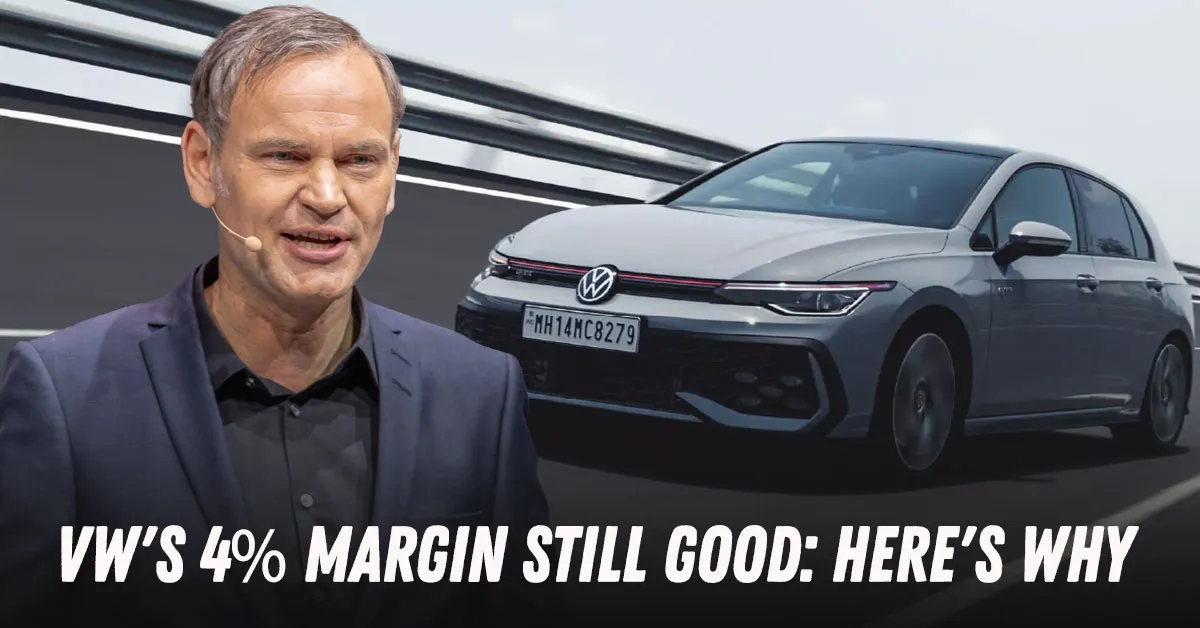
In a recent memo accessed by ReutersVolkswagen Group CEO Oliver Blume warned that the car sector’s crisis will only intensify in the coming years. He said that the Group’s margins are now just under 4% and also added that it is very good for now. A sub-4% margin may not be too great for an automotive giant like Volkswagen Group. So why did the CEO make this statement? Reason- China!
The CEO’s remarks come at a time when Volkswagen Group is undergoing what could possibly be its largest-ever restructuring. In the memo, Blume said that the current margins of less than 4% were solid in the current environment, but it is not sufficient to generate enough guns in the long run. He also argued that deep cost cuts are needed to keep Volkswagen Group afloat. The company is considering as many as 50,000 job cuts.
Blume believes a 4% margin is very good for now. The reason for this is the Chinese competition that is getting increasingly fierce. China is the largest car market in the world. Volkswagen was previously one of the strongest foreign carmakers in the Chinese market, benefiting from early entry and large joint ventures. Of late, this advantage has weakened as Chinese manufacturers have become much stronger.
Increasing competition and price wars from Chinese car brands have made Volkswagen’s China sales plummet significantly in recent months. The country’s shift to electric cars has a key role to play in this.
Chinese manufacturers have become much more competitive, particularly in electric vehicles and plug-in hybrids. Companies such as BYD have moved quickly in areas such as battery technology, software, infotainment and driver assistance systems. Chinese customers have also become increasingly demanding when it comes to these features.
Volkswagen can no longer depend only on its established global products in China. It needs vehicles and technologies developed specifically for the market. In other words, Volkswagen Group has been made un-competitive in the Chinese market.
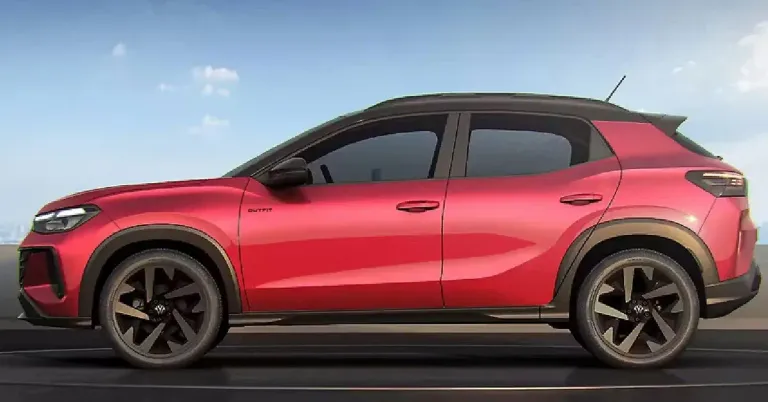
Yes, it is trying to recover and the partnership with XPeng is part of this strategy. Volkswagen is using Chinese technology and development expertise to shorten development cycles and improve its competitiveness. If these efforts remain on track, we may see the company regaining traction in China in the future. This will help in its overall revival.
As the CEO rightly said, 4% is good enough for now. But if the carmaker’s revival plans flop and revenue doesn’t increase as expected in the coming years, it could even kill Volkswagen India. A proper comeback would require increasing Volkswagen Group’s foothold in China. The company will need to stay ahead of the curve, for this. It will need to invest in technology and research and development for this. The margins should ideally be funding these.
Volkswagen is doing a complete restructuring to raise the required funds. This includes shutting down factories, streamlining the lineup by killing multiple models, and cutting jobs.
Manufacturing in Germany is expensive, compared to certain other global markets. VW Group has already negotiated a major restructuring programme with labour representatives there. It will reduce production capacity and cut workforce there, in a phased manner. The goal is to lower the cost base of core Volkswagen passenger-car business.
Banking on the upcoming affordable small electric car is another way. The ID. Polo, for example, is expected to fetch good results. The company is reportedly working on an even cheaper all-electric model.
The company will also increase parts, platform and component sharing between different sub-brands and models. This will help in reducing the cost of each individual vehicle manufactured.

The company also has plans to grow their India business aggressively. India, as you know, is one of the world’s largest car markets by volumes. Finding success here can reduce the global burden. Additionally, India can provide a low-cost manufacturing environment and export base.
Skoda and Volkswagen developed and heavily localised the MQB-A0-IN platform specifically for India. The architecture underpins several models, like Volkswagen Taigun, Virtus, Skoda Kushaq, Slavia and Kylaq.
And look at the Kylaq. It has been a runaway success for Skoda in India. It is now the highest-selling Skoda here, averaging about 4000 units a month. Seeing this demand, Volkswagen is now preparing its own version of the Kylaq for our market. Expected in 2027, this sub-compact SUV could take design inspiration from the Tera sold abroad. It executed well, it could become a ‘Kylaq moment’ for Volkswagen India.
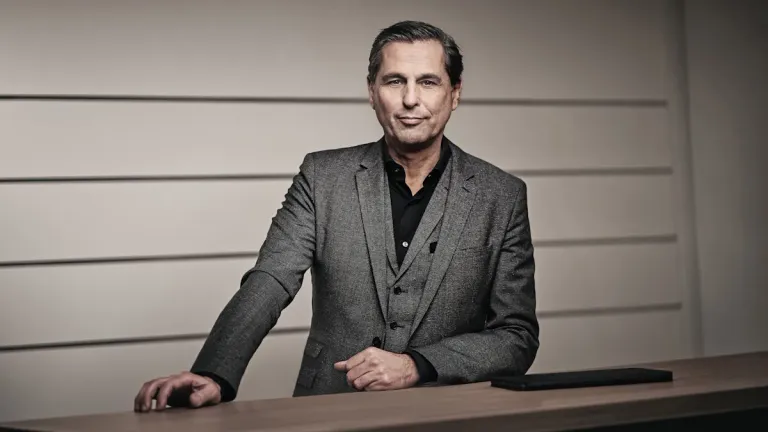
Volkswagen Group is also exploring a local partnership in India. Talks with JSW Group regarding the same, have reportedly entered the final stretch. The deal is almost done, according to reports. Skoda Auto CEO Klaus Zellmer reportedly stated that the company is weeks away from signing a memorandum of understanding (MoU) with a ‘potential partner’. Under the same, the local partner will take over majority control and ownership of the India business.
JSW can potentially bring fresh funds and local sourcing network to the table. It can also lead to faster decision-making.