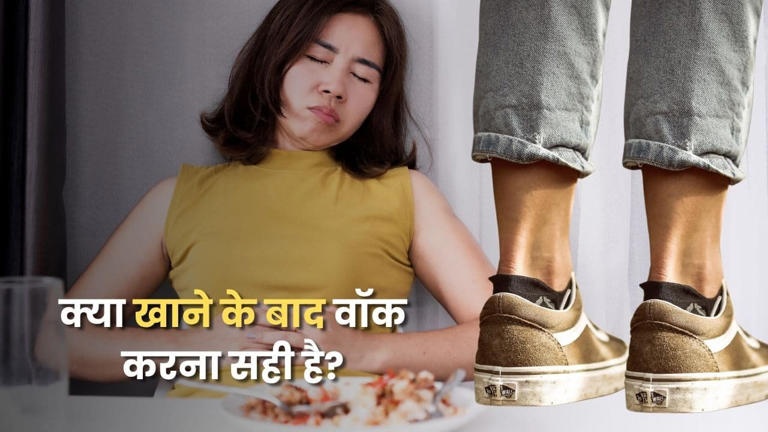
The habit of taking a walk after dinner or lunch has been considered very beneficial for health for centuries. In Ayurveda, it is called ‘Shatapawali’ i.e. the tradition of walking hundred steps after meals. At the same time, modern medical science also believes that taking a light walk after meals strengthens the digestive system and prevents the blood sugar level from spiking rapidly. However, there is often a big confusion in the minds of people whether they should get up immediately after finishing their meal and start walking or is it necessary to take rest for a few minutes? According to gastroenterologists and fitness experts, if the right time, speed and rules for walking after meals are not known, then this beneficial habit can also cause problems like stomach ache, acidity and indigestion.
Why should one not take a walk immediately after eating?
When we eat food, our body’s ‘Parasympathetic Nervous System’ (Rest and Digest mode) becomes active. To digest food, the stomach and intestines require a large amount of blood circulation. If you start walking at a fast pace immediately after getting up from the plate, the blood flow is diverted towards the legs and skeletal muscles instead of the stomach. This slows down the digestion process, which can cause problems like heaviness in the stomach, gas, cramps and acid reflux (heartburn).
Best time and right way to take a walk
-
Take a 10 to 15 minute break: After completing your meal, sit in a calm posture for at least 10 to 15 minutes. If you want, you can sit in ‘Vajrasana’ for 5 to 10 minutes, which is considered best for intensifying digestion.
-
Gentle Stroll only: When you start walking after 10-15 minutes of rest, keep in mind that it should not be a ‘brisk walk’ or a fast run. Just take a slow walk at a normal pace.
-
10 to 20 minutes time is enough: Just a slow walk of 10 to 15 minutes after eating is completely sufficient to give the right direction to the body’s metabolism. Avoid taking very long or tiring walks.
Major scientific benefits of walking after meals
-
Controlling blood sugar spike: According to several researches published in the journal ‘Sports Medicine’, taking a 10-minute light walk 15 minutes after a meal does not suddenly increase the glucose level in the blood. The muscles immediately utilize the extra glucose present in the blood, which is a panacea for type-2 diabetes patients.
-
Relief from gas, acidity and bloating: Light walking increases gastric motility (intestinal motility). Due to this, food moves faster in the intestines, due to which there is no problem of flatulence and sour belching.
-
Weight Management and Fat Burning: Due to continuous sitting or sleeping immediately, the extra calories obtained from food start getting stored in the form of fat. Walking after meals keeps the metabolic rate active, which helps in reducing belly fat.
-
Good and deep sleep: Especially by taking a walk after dinner, the level of serotonin and melatonin in the body improves and the stomach feels light, which removes the problem of insomnia and leads to deep sleep.
Don’t make these mistakes even by mistake
-
Lying down in bed or sleeping immediately after eating food is most harmful; This increases the risk of gastroesophageal reflux disease (GERD).
-
Heavy exercise, jogging, abdominal exercises or climbing stairs quickly after eating is completely prohibited.
-
Eat dinner at least 2 hours before sleeping so that the entire process of digestion and digestion can be completed on time.