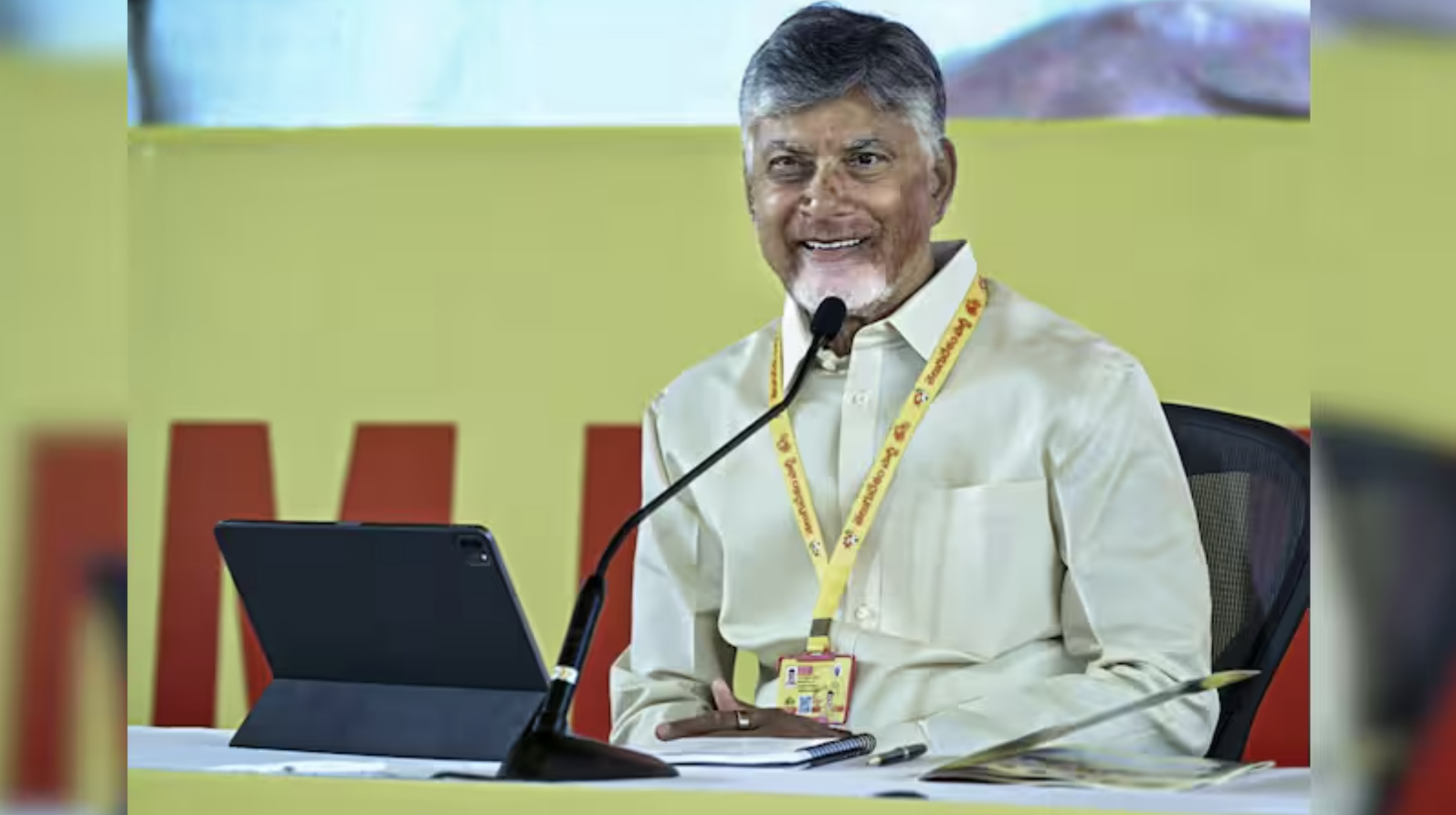
Andhra Pradesh Chief Minister N Chandrababu Naidu has assured investors that water availability will not become an obstacle to the expansion of data centres in Visakhapatnam. With more than 6 gigawatts (GW) of hyperscale data centre capacity at various stages of development in the region, the state government is relying on the Polavaram irrigation project and alternative cooling technologies to meet future water requirements.
Speaking at the 31st CII Partnership Summit in Visakhapatnam on November 13, 2026, Naidu said the proposed data centre facilities would collectively require approximately 3.5 thousand million cubic feet (TMC) of water. He maintained that Andhra Pradesh could supply up to 100 TMC annually to the city through the Polavaram project.
Polavaram Project Expected to Support Data Centre Expansion
The Polavaram project on the Godavari River is expected to become operational by March 2027. According to Naidu, it could provide a substantial additional water source for Visakhapatnam and support the growing requirements of its industrial and technology sectors.
The Chief Minister also pointed out that considerable quantities of river water currently flow into the sea and could be put to productive use.
Apart from the proposed supply through Polavaram, the government is considering alternative technologies such as desalination and air-based cooling systems to reduce dependence on conventional water resources.
More Than 6 GW of Data Centre Capacity Planned
Visakhapatnam is emerging as a major destination for India’s data centre investments, with several large-scale projects announced by domestic and international companies.
Google’s proposed $15 billion investment includes a 1 GW AI data centre and digital infrastructure hub in the region.
ReNew Energy Global has also announced plans to establish a 1 GW green hyperscale data centre in Anakapalli, near Visakhapatnam, with an investment of approximately ₹67,000 crore.
Reliance Industries had earlier announced an $11 billion plan through its joint venture Digital Connexion to develop a 1 GW AI-ready data centre park in Visakhapatnam.
Together, these developments are expected to strengthen Andhra Pradesh’s position in India’s expanding digital infrastructure market.
Water Consumption Concerns Remain
The government’s assurances come amid growing concerns about the water and electricity requirements of large AI data centres.
Visakhapatnam already faces pressure on its water resources. Earlier reporting highlighted that the city receives approximately 410 million litres of water daily against an estimated demand of 480 million litres.
Large data centres require substantial infrastructure to keep servers operational, particularly for cooling high-performance computing equipment. Their water consumption can vary significantly depending on the cooling technology used.
Naidu has argued that desalination and emerging air-cooling technologies can help address these concerns. The state government has also maintained that industrial water requirements can be met without affecting supplies meant for residents.
Andhra Pradesh Targets a Larger AI Infrastructure Ecosystem
The data centre investments are part of Andhra Pradesh’s broader ambition to attract technology companies and build an ecosystem around artificial intelligence, the knowledge economy and data-driven businesses.
Naidu said the benefits would extend beyond direct employment, creating opportunities across supporting industries and services.
The Chief Minister also advocated the proposed Godavari-Cauvery river-linking project, describing it as a potential long-term solution to water shortages, droughts and interstate water disputes in southern India.
Summary
Andhra Pradesh Chief Minister N Chandrababu Naidu has said water shortages will not restrict Visakhapatnam’s data centre expansion. The proposed facilities are expected to require around 3.5 TMC of water annually, while the Polavaram project could supply up to 100 TMC. Google, Reliance and ReNew Energy are among the companies planning major data centre investments in the region.
Image Source