

OpenAI’s Bio Bug Bounty: Stress-Testing the Future of AI Safety
In a decisive step toward responsible AI deployment, OpenAI has launched the GPT-5.5 Bio Bug Bounty programme. The initiative invites cybersecurity professionals, biosecurity researchers, and AI red teamers to probe the model for vulnerabilities, particularly in sensitive biological domains. As AI systems grow more powerful, concerns about misuse—ranging from synthetic biology risks to harmful knowledge dissemination—are intensifying. This bounty programme flips the script by encouraging external experts to actively “break” the system in controlled ways. It reflects a broader shift in AI governance: proactive defense rather than reactive damage control, aiming to identify threats before they materialize.
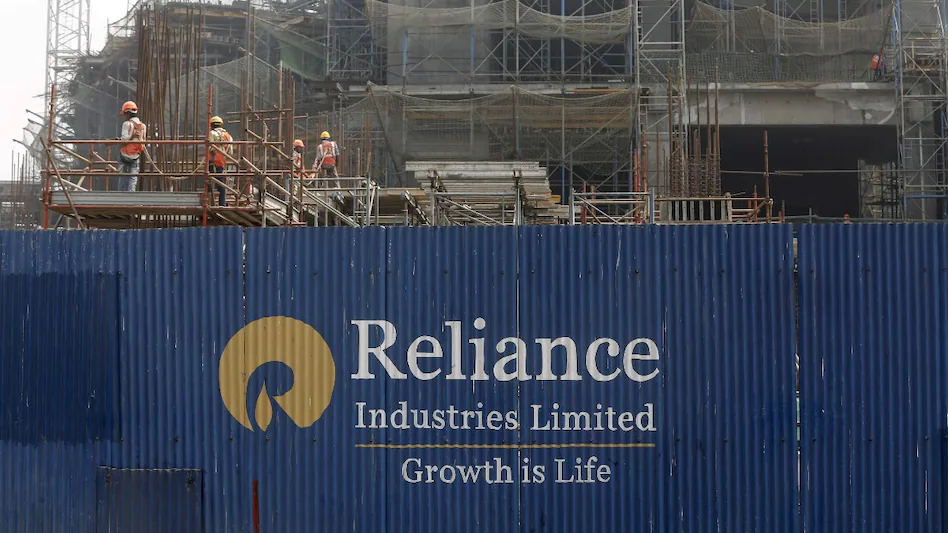
Reliance’s $17 Billion Bet on India’s Data Future
Reliance Industries Limited is reportedly planning a ₹1.6 lakh crore investment to build a massive data centre cluster in Visakhapatnam—a move that could redefine India’s digital infrastructure landscape. If completed, this would become the country’s largest data hub, catering to rising demand for cloud computing and AI workloads. The scale of this investment signals India’s ambitions to become a global tech backbone, competing with established data centre markets. Beyond infrastructure, the project could generate jobs, attract hyperscalers, and boost regional development, positioning Visakhapatnam as a critical node in the global data economy.
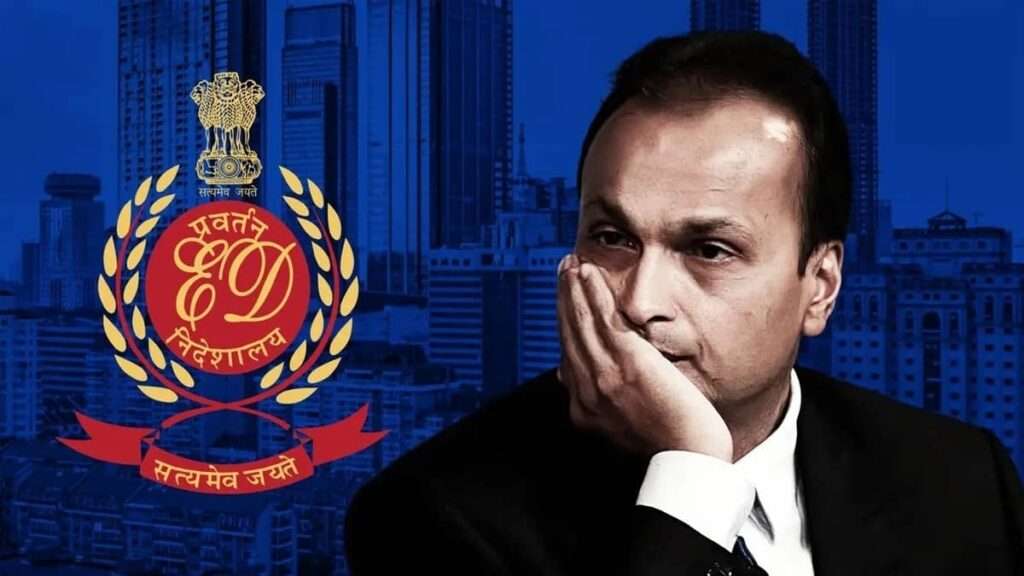
ED Tightens Noose on Anil Ambani Group
The crackdown on the Reliance Anil Ambani Group has intensified, with the Enforcement Directorate attaching assets worth ₹3,034 crore. This latest action is part of an ongoing probe into alleged money laundering and financial irregularities across group entities. Once a dominant force in India’s corporate landscape, the group has faced mounting financial and legal challenges in recent years. The fresh attachment underscores regulators’ increasing scrutiny of high-profile corporate cases and signals a continued push toward accountability in India’s financial ecosystem, even as the investigations deepen.
Rivian CEO’s $400 Million Payday Sparks Debate
RJ Scaringefounder and CEO of Rivianhas secured one of the largest executive compensation packages in the automotive sector, totaling $402.6 million. However, this headline-grabbing figure is largely composed of long-term incentives, including stock options and equity awards tied to performance milestones. His base salary and bonus form only a small fraction of the total. The package highlights how EV startups are leveraging equity to retain visionary leadership while aligning incentives with long-term growth. Still, such massive pay structures often reignite debates around executive compensation and shareholder value.

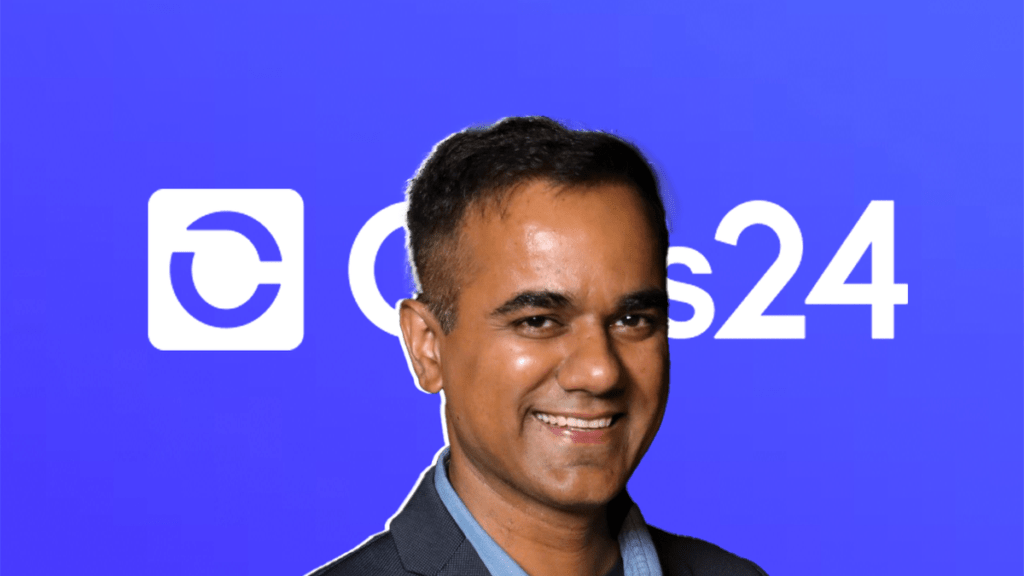
Leadership Transition at Cars24 Ahead of IPO
Cars24 is witnessing a wave of senior-level exits as it prepares for a potential IPO, with cofounder Mehul Agarwal stepping back from his operational role after 11 years. Announcing the move on LinkedIn, Agarwal described it as a shift rather than a departure, as he will continue to serve on the board. The transition reflects a broader trend among late-stage startups, where founders move into strategic roles while professional leadership takes over day-to-day operations. As Cars24 eyes public markets, such restructuring could help streamline governance and strengthen investor confidence.
Musk vs Altman: AI Distillation Debate Heats Up
The legal battle between Elon Musk and Sam Altman has brought the controversial practice of AI distillation into the spotlight. During courtroom testimony, Musk acknowledged that his company, xAI, had “partly” used distillation—training models by leveraging outputs from rival systems. The admission, though cautious, highlights a widespread yet opaque practice within the AI industry. Distillation allows companies to replicate capabilities at lower costs, blurring ethical and competitive boundaries. As the case unfolds, it is not just a corporate feud but a window into how modern AI systems are built—and how blurred the lines of innovation have become.


Comments are closed.