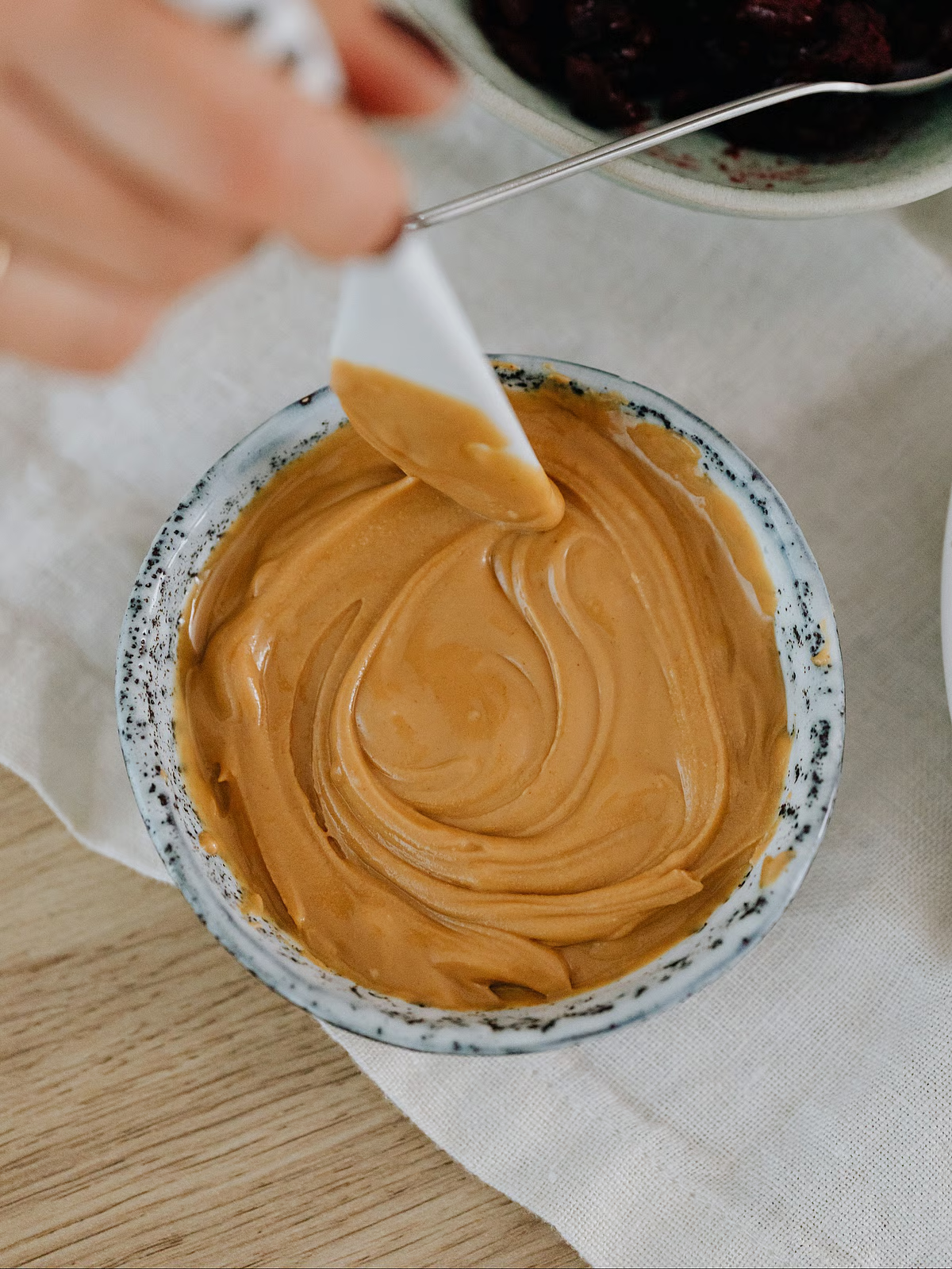
What Are the Health Benefits of Peanut Butter?
Peanut butter is a popular pantry staple loved for its creamy texture and rich, nutty flavor. Beyond its taste, it is packed with protein, healthy fats, fiber, vitamins, and minerals, making it a nutritious addition to a balanced diet. Whether spread on toast, blended into smoothies, or used as a dip, peanut butter can offer several health benefits when consumed in moderation.
1. Rich in Protein
Peanut butter is an excellent source of plant-based protein, providing about 7–8 grams of protein per two-tablespoon serving. Protein supports muscle growth, tissue repair, and helps keep you feeling full for longer.
2. Supports Heart Health
Peanut butter contains monounsaturated and polyunsaturated fats, which are considered heart-friendly. These healthy fats may help improve cholesterol levels and support cardiovascular health when they replace saturated fats in the diet.
3. Helps Keep You Full
The combination of protein, healthy fats, and fiber slows digestion and promotes satiety. This can help reduce unnecessary snacking and support healthy weight management when eaten in appropriate portions.
4. Provides Essential Vitamins and Minerals
Peanut butter is a good source of several important nutrients, including:
- Vitamin E
- Magnesium
- Niacin (Vitamin B3)
- Phosphorus
- Potassium
- Zinc
These nutrients support immune function, nerve health, energy production, and bone health.
5. May Help Regulate Blood Sugar
Because it is relatively low in carbohydrates and contains healthy fats and protein, peanut butter has a low glycemic impact. Pairing it with fruits or whole grains may help reduce blood sugar spikes after meals.
6. Supports Muscle Recovery
The protein and healthy fats in peanut butter make it a good post-workout snack when combined with carbohydrates, such as whole-grain toast or a banana.
7. Rich in Antioxidants
Peanuts naturally contain antioxidants like resveratrol and vitamin E, which help protect cells from oxidative stress and may contribute to overall health.
How to Eat Peanut Butter the Healthy Way
- Spread it on whole-grain toast.
- Add a spoonful to smoothies.
- Use it as a dip for apple slices or celery sticks.
- Stir it into oatmeal or yogurt.
- Blend it into homemade salad dressings or sauces.
Things to Keep in Mind
- Choose natural peanut butter with minimal ingredients—ideally just peanuts and a little salt.
- Avoid products high in added sugar, hydrogenated oils, or excessive sodium.
- Peanut butter is calorie-dense, so stick to 1–2 tablespoons per serving.
- People with peanut allergies should avoid peanut butter and seek suitable alternatives.
The Bottom Line
Peanut butter is a nutrient-rich food that offers protein, healthy fats, fiber, vitamins, and minerals. When enjoyed in moderation as part of a balanced diet, it can support heart health, muscle recovery, blood sugar management, and overall nutrition. Opt for natural varieties with minimal added ingredients to get the greatest health benefits.
Disclaimer: This article is for informational purposes only and should not be considered medical advice. If you have a peanut allergy or a medical condition requiring dietary restrictions, consult a healthcare professional or registered dietitian before making changes to your diet.