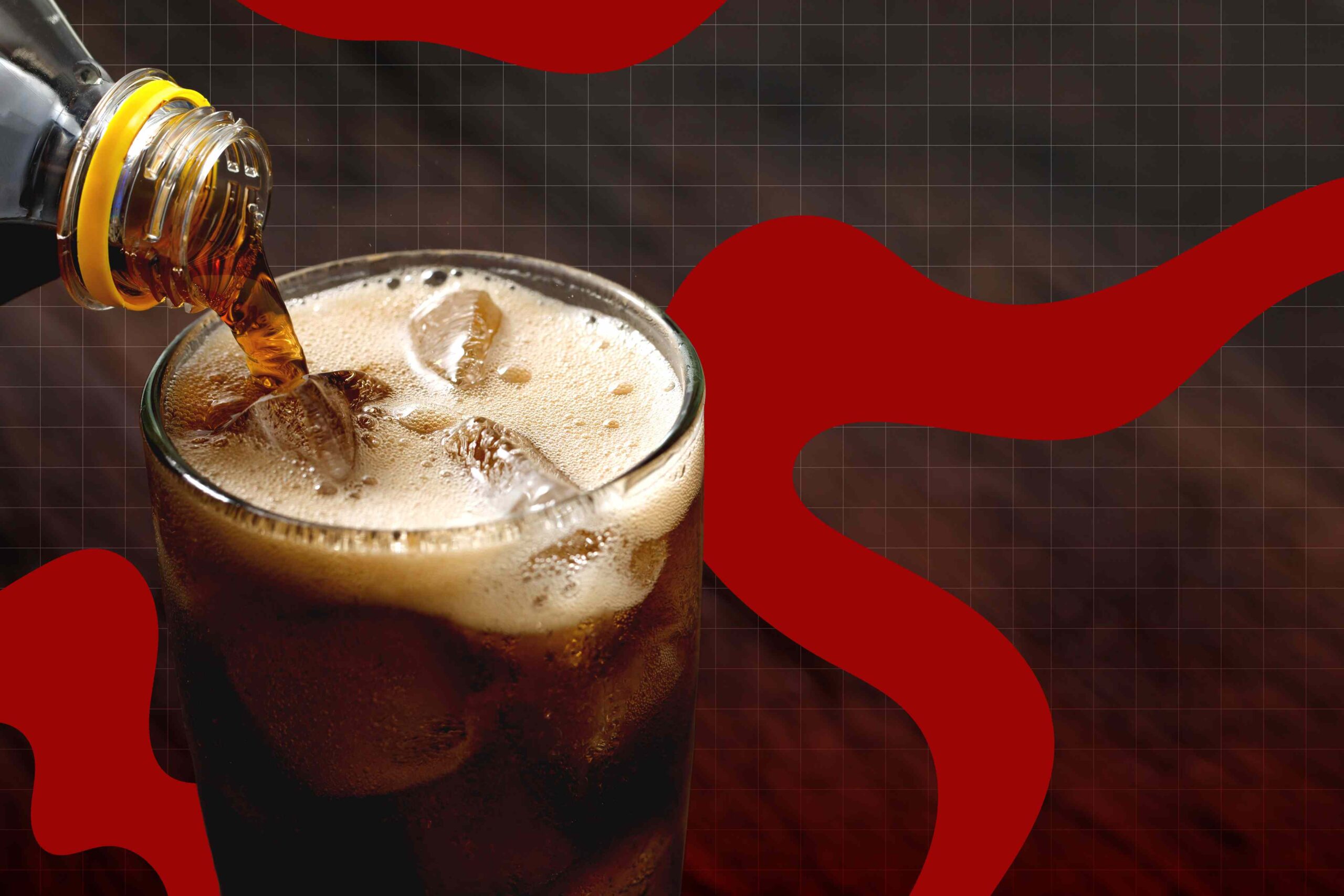
We all know that soda affects blood sugar—but what about blood pressure?
Reviewed by Dietitian Jane Leverich, M.S., RDN
Key Points
- Soda may affect blood pressure through its sugar, caffeine and calorie content.
- Regularly drinking sugary beverages is linked to a higher risk of high blood pressure.
- Swapping soda for water or other unsweetened drinks can support heart health.
Sugar-sweetened beverages, including soda, are one of the top sources of added sugar in the American diet, and drinking it regularly may increase your risk for chronic conditions like obesity, type 2 diabetes and heart disease—and can even take a toll on your pearly whites. But while soda’s effect on weight and blood sugar gets plenty of attention, its impact on blood pressure doesn’t get talked about nearly as much.
“Soda is one of the easiest places to find hidden blood pressure risk. Research found that each additional daily serving of sugar-sweetened beverages was linked to about a 10% higher risk of developing high blood pressure, and the risk climbed steadily with each extra serving,” says Michelle Cardel, Ph.D., M.S., RD, FTOS.
So, how exactly can soda affect your blood pressure? We asked dietitians and a cardiologist—here’s what they want you to know.
How Drinking Soda Affects Your Blood Pressure
It May Cause Your Body to Hold on to Sodium
A 12-ounce can of soda contains anywhere from 35 to 45 grams of sugar. Most sodas are sweetened with high-fructose corn syrup or sucrose, both of which deliver a dose of fructose. And that fructose may affect how your body handles sodium.
“Research suggests that higher fructose intake may cause the body to hold on to more sodium by increasing sodium absorption in the intestines and reducing how much sodium the kidneys remove. When the body retains more sodium, it also holds on to more fluid, increasing the amount of blood the heart has to pump and potentially raising blood pressure,” says Michelle Routhenstein, M.S., RD, CDCES, CDN.
It May Raise Uric Acid Levels
When your body breaks down fructose, the process produces uric acid. Higher uric acid levels may impair the endothelium, the lining of your blood vessels, and reduce nitric oxide, a compound that helps blood vessels relax.
“Higher uric acid can impair the blood vessel lining and reduce nitric oxide, the molecule that helps arteries relax,” explains Cardel. Elevated uric acid levels have been linked to an increased risk of high blood pressure.
“Studies found that systolic and diastolic blood pressure both rose significantly after people consumed fructose, so this isn’t just a long-term effect; it can show up after a single drink,” she adds.
It May Contribute to Weight Gain
Soda is often described as providing “empty calories” because it contains calories from added sugar without offering much nutritional value. And because your body may not register liquid calories in the same way it does calories from food, drinking sugary beverages can make it easier to consume more calories than you need.
“Liquid calories can drive weight gain, which can be a driver of blood pressure. Over time, those extra calories add up to weight gain and insulin resistance, both of which raise blood pressure by increasing blood volume, activating the sympathetic (‘fight or flight’) nervous system, and stiffening blood vessels,” say Cardel.
Not to mention, the type of weight gain you accrue matters too. “Excess weight, particularly around the abdomen (also known as visceral fat), is inflammatory and adds additional strain on the heart to do its job, making it harder to maintain healthy blood pressure,” says Routhenstein.
It May Temporarily Spike Blood Pressure
While not all sodas contain caffeine, caffeinated varieties may affect blood pressure, especially in people who are sensitive to caffeine.
“Caffeine can cause your heart to beat faster and your blood vessels to tighten, which can temporarily increase blood pressure,” says Routhenstein. However, this effect tends to be more noticeable in people who don’t regularly consume caffeine or who already have poorly controlled blood pressure, she notes.
Research suggests that caffeine may raise both systolic and diastolic blood pressure, with bigger increases at higher doses, Cardel shares. While this may not seem like a lot, the effects can add up if you’re drinking multiple cans of soda or pairing it with coffee, black tea or energy drinks.
Drinks That May Help Support Your Blood Pressure
If you’re looking to cut back on soda, there are plenty of other drinks to choose from. These options can add flavor and, in some cases, provide nutrients that may help support healthy blood pressure levels.
- Sparkling water: Swapping soda for sparkling water gives you the same bubbly, refreshing experience without the added sugar and potential blood pressure effects of regular soda, says Routhenstein.
- Infused water: Add a squeeze of lemon or lime, fresh herbs like mint or basil, or a few berries to your water for flavor without added sugar.
- Dairy milk: Milk (including lactose-free milk) is naturally rich in potassium, which helps counter the effects of a high-sodium diet. It also contains calcium and magnesium, two minerals that may support heart health.
- Herbal, noncaffeinated teas: Chamomile, rooibos, ginger and peppermint teas are naturally caffeine-free while giving your taste buds delicious flavor but no added sugar.
- Hibiscus tea: Studies in people with mild-to-moderate hypertension found that hibiscus tea lowered both systolic blood pressure and diastolic, says Cardel. Enjoy it warm or over ice; it’s caffeine-free and delivers a sweet and tart taste.
- Beetroot juice: Beet juice is naturally rich in nitrates, which the body converts to nitric oxide. Nitric oxide helps relax and widen blood vessels, which can lower blood pressure readings. Drink it on its own or blend it into a smoothie.
Other Tips for Supporting Healthy Blood Pressure Levels
Dietitians share other everyday tips for supporting healthy blood pressure levels:
- Stay hydrated. Keep water in your line of vision to drink it more. Whether you prefer it chilled, still or sparkling, make it accessible and reserve soda for occasional treats rather than a daily drink, recommends Routhenstein.
- Watch the salt. Keep your intake of sodium under 2,300 milligrams a day. Most sodium comes from packaged and restaurant foods, so reading labels and cooking at home more often makes a real difference, says Cardel.
- Know your numbers. High blood pressure often has no noticeable symptoms. Regularly checking your blood pressure at home can help you catch elevated readings early and understand how your lifestyle and medications are affecting your numbers, says Routhenstein.
- Build your plate around heart-healthy foods. Potassium, magnesium and calcium help to support healthy blood vessel function and blood pressure regulation, says Routhenstein. So fill your plate with plenty of fruits, veggies, whole grains, nuts and seeds.
- Move your body most days. Regular moderate activity, like brisk walking, is one of the lifestyle changes that can help prevent and even treat high blood pressure. Even short 10-minute walks after meals count toward the goal, says Cardel.
Our Expert Take
Drinking soda regularly may affect your blood pressure in several ways, experts say. It may cause your body to hold on to sodium, raise uric acid levels, contribute to weight gain and temporarily spike blood pressure if it’s caffeinated. If you’re looking to cut back on soda intake, try reaching for sparkling water, herbal teas, dairy milk and beetroot juice instead. Dietitians also recommend watching your sodium intake, monitoring your blood pressure regularly, building your plate around heart-healthy foods and staying active to support healthy blood pressure levels.