
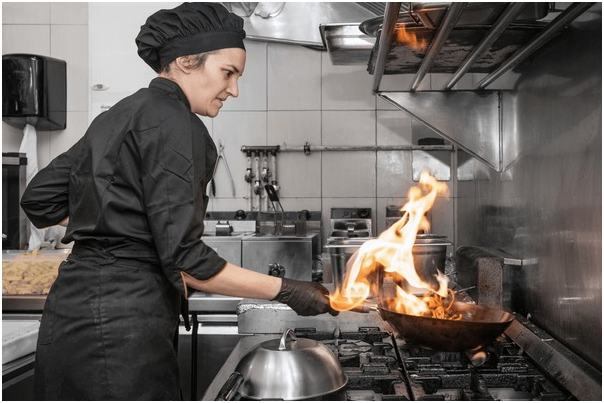


Commercial kitchens are particularly prone to fires because they combine high cooking temperatures, open flames, combustible materials, and constant equipment use in a fast-paced environment. Even a small mistake or maintenance issue can quickly lead to a dangerous fire.
Restaurants, cafeterias, hotels, and other food service establishments prepare large volumes of food every day. This constant activity increases exposure to heat sources, cooking oils, and electrical equipment that may contribute to fire risks.
Many businesses choose to work with Empire Fire Protection Services to recognize the importance of identifying hazards before they lead to emergencies. Understanding why kitchen fires occur is an important step toward prevention.
While no workplace can eliminate every risk, proper safety practices and fire protection systems can significantly reduce the likelihood of a serious incident.
Cooking Equipment Creates Constant Fire Risks
Commercial kitchens rely on equipment that operates at high temperatures throughout the day. Ovens, grills, fryers, and stovetops all generate heat that can ignite nearby combustible materials.
When equipment is used continuously, the risk of overheating or accidental ignition may increase. Staff members must remain attentive while operating cooking appliances.
Even routine cooking activities can become hazardous without proper precautions.
Grease Buildup Is a Major Hazard
Grease is one of the most common causes of commercial kitchen fires. Over time, grease can accumulate in exhaust hoods, ductwork, filters, and cooking surfaces.
Because grease is highly flammable, even a small flame can spread rapidly when buildup is present. Regular cleaning is essential for reducing this risk.
Many serious kitchen fires have been linked to inadequate grease removal practices.
Fast-Paced Environments Increase Human Error
Commercial kitchens are often busy, especially during peak service hours. Employees may be managing multiple tasks at the same time while working under pressure.
In these conditions, mistakes such as unattended cooking, improper equipment use, or accidental contact with flammable materials can occur. Human error remains a significant factor in many kitchen fire incidents.
Training and supervision play an important role in reducing preventable mistakes.
Electrical Problems Can Start Fires
Commercial kitchens depend on numerous electrical appliances and systems. Refrigeration equipment, mixers, dishwashers, and cooking devices all require power.
Damaged wiring, overloaded circuits, and poorly maintained equipment can create fire hazards. Regular inspections may help identify problems before they become dangerous.
Electrical safety should be considered alongside cooking-related risks.
Fire Protection Systems Are Critical
Fire suppression systems help protect commercial kitchens when a fire occurs. These systems are often designed to activate automatically and suppress flames before they spread.
NFPA 96, the Standard for Ventilation Control and Fire Protection of Commercial Cooking Operations, establishes widely recognized requirements for commercial kitchen fire safety. Many local jurisdictions incorporate these standards into their fire codes.
Routine inspections and maintenance help ensure fire protection systems remain effective.
Key Takeaways
- Commercial kitchens contain multiple fire hazards.
- Cooking equipment operates at high temperatures.
- Grease buildup is a leading cause of kitchen fires.
- Human error contributes to many fire incidents.
- Electrical problems can create additional risks.
- NFPA 96 provides guidance for commercial kitchen fire safety.
- Ongoing maintenance and training support fire prevention.

Comments are closed.