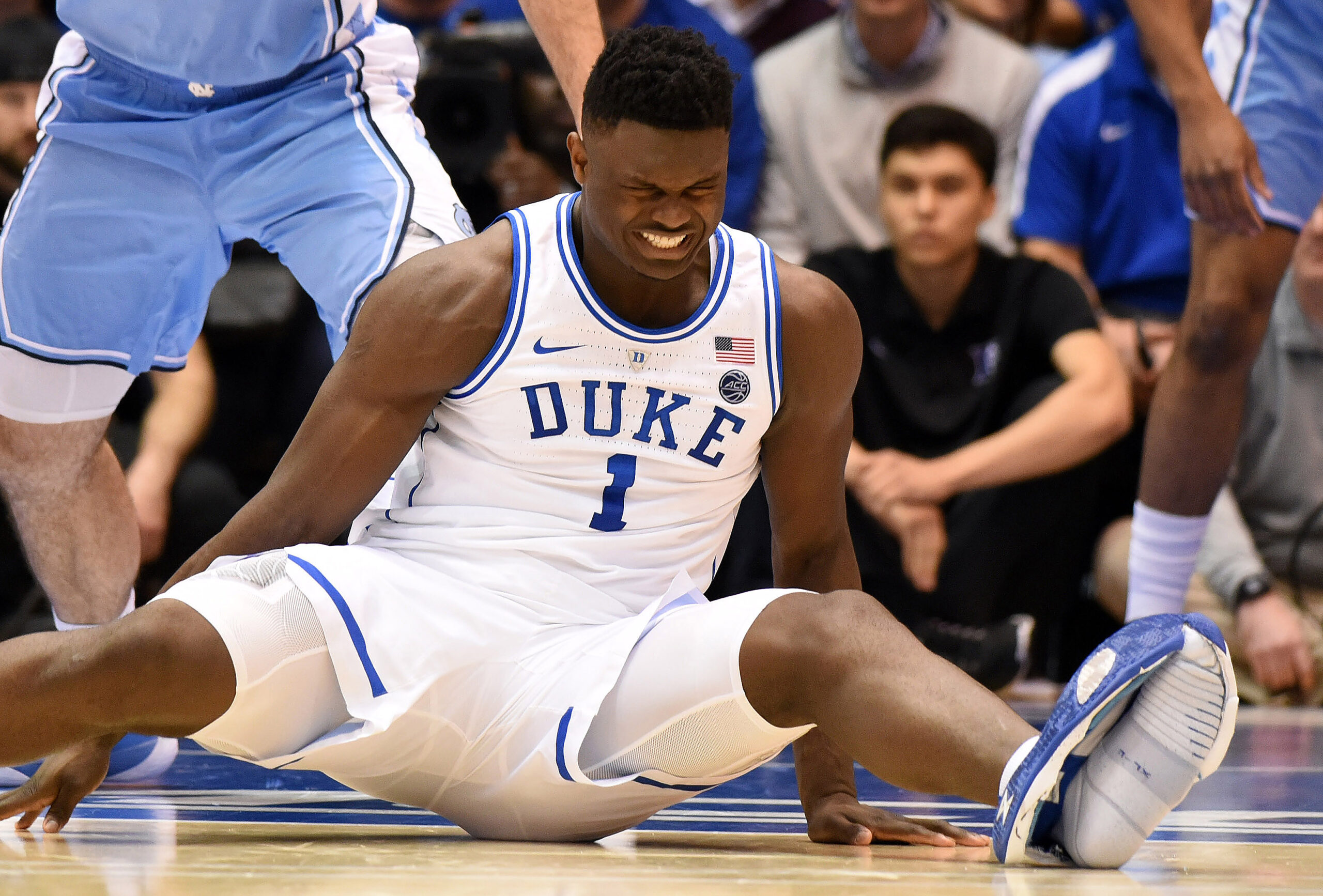
A starter goes down, a bench player inherits extra minutes and shots, and managers rush to add him. The harder question comes later, when the starter is cleared to play again. Someone has to give those minutes back, and predicting exactly who loses the most is one of the most useful skills a fantasy manager can build over a long season.
Minutes Come First
Fantasy production follows playing time more reliably than anything else. A bench player who jumps from 18 to 32 minutes a night will almost always see his numbers rise, even if his efficiency barely changes. When the starter returns, the coach rarely trims everyone evenly. Instead, one or two players usually absorb most of the cut.
The player most at risk is the one whose new role existed only because of the injury. If a backup wing moved into the starting lineup purely to replace an injured starter at the same position, he is the obvious candidate to fall back to the bench, and often deeper than his old spot.
A Recent Example From Boston
The Celtics offered a clear case in March 2026. Jayson Tatum returned from a torn Achilles on March 6 against Dallas, starting and playing 27 minutes in his first game back. Before his return, young wing Jordan Walsh had started 20 straight games and given fantasy managers steady points, rebounds and efficient shooting. Once Tatum came back and other wings took on bigger roles, Walsh went six consecutive games without playing at all.
That is the pattern in its purest form. The player who benefited most from the absence was also the one with the least secure place in the full-strength rotation.
Not Every Bench Player Is Equally Exposed
Some reserves keep value even after the starter returns. Players with a clear specialty, such as rim protection, three-point shooting or ball handling for a second unit, often slide back into their old roles without disappearing entirely. Their fantasy value drops, but it rarely collapses. The players most exposed tend to share three traits. Their role was created by the injury, they play the same position as the returning starter, and their production depended on taking extra shots rather than on a defined skill. A combination of all three is the clearest warning sign in fantasy basketball.
Waiting for News Without Losing Your Mind
The days before a starter’s return can be maddening. Managers refresh injury feeds, scan beat reporters and wait for a coach’s pregame press conference that might settle everything or nothing. Many fill that time with other low-key distractions, and some like to take a look at SpinBlitza social casino with free-to-play games that fits neatly into a few spare minutes between lineup checks. Once the news finally breaks, though, the real work is deciding which roster spot to change.
Usage Tells You Who Was Really Filling the Gap
Minutes are only part of the picture. The other part is usage: how much of the offence runs through a player while he is on the floor. Analysts often use usage rate, a formula that measures involvement by combining field goal attempts, free throw attempts, assists and turnovers relative to team possessions.
A bench player who saw both his minutes and his usage spike is the most vulnerable when a high-usage starter returns. The returning star wants the ball, and the shots have to come from somewhere. A role player who simply played more minutes as a spot-up shooter or defender may keep a steadier share, because his job did not depend on creating offence.
Reading the Signals Before It Happens
The best managers try to move a week early rather than a week late. Practice reports, coach comments and the official injury report all hint at when a return is close. The NBA sets strict deadlines for teams to report injury and rest statuses, including a status by 5 p.m. local time on the day before most games and updated reports throughout game day. Watching for a player’s status to shift from out to doubtful or questionable is often the first concrete sign that his replacement’s minutes are about to shrink.
Minutes restrictions add another layer. A star coming back from a long absence often plays limited minutes for his first few games, which can keep the bench player relevant for a short window. Managers who drop the replacement the moment a return is announced sometimes give up a final week of decent production. League rules add another wrinkle for stars: the NBA’s player participation policy, adopted in 2023, spells out limits on resting players who made an All-Star or All-NBA team in the previous three seasons, including a ban on teams sitting more than one of them in the same game.
Using Preseason and Early Rotations as a Guide
The start of a season is the best time to map these relationships. Coaches experiment with lineups in preseason, and the early weeks of the regular season show who earns trust and who is simply filling a gap. Dunkest’s preseason coverage, which tracked preseason roles and the players likely to gain minutes, is a useful reference for spotting which reserves could be pushed aside once rotations settle.
Keeping a short list of injured starters and their likely replacements makes the decisions much easier when news breaks. It turns a frantic scramble into a plan.
The Minutes Somebody Has to Give Back
When an NBA starter returns, the fantasy value does not disappear into thin air. It moves, usually from the player whose role was most temporary back to the player who owned it. The bench player with the biggest jump in minutes and usage, playing the returning starter’s position, is almost always the one who falls the hardest.
Spotting that player before the rest of the league does is how managers stay ahead. Watch the injury reports, read the minutes trends and act a few days early, and a returning star becomes an opportunity rather than a surprise.