
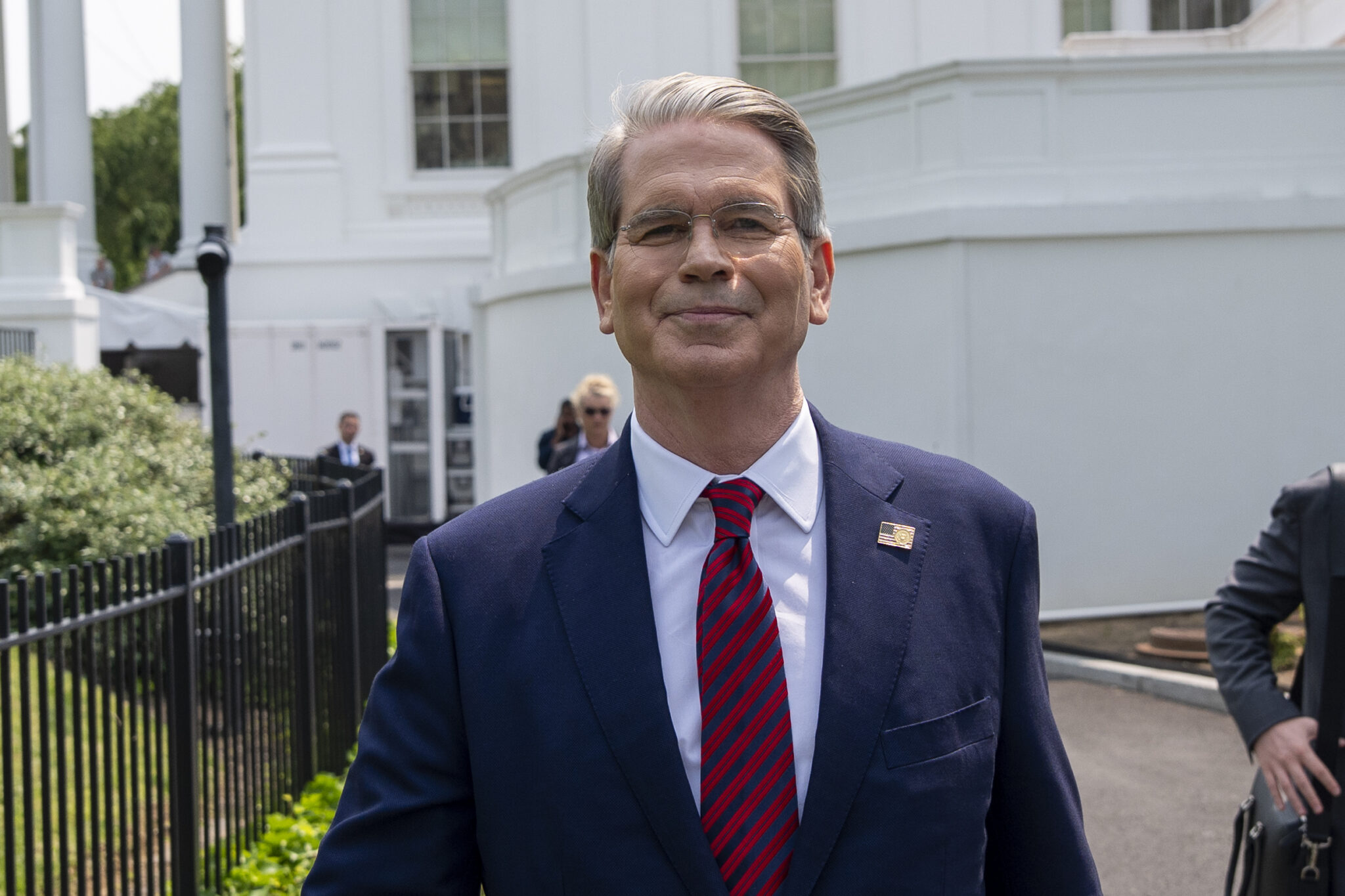

White House Meets Chevron, Oil Executives Amid Iran Standoff/ TezzBuzz/ WASHINGTON/ J. Mansour/ Morning Edition/ White House officials met with Chevron and major oil traders as gasoline prices climbed to four-year highs during the Iran standoff. The administration discussed ways to continue the U.S. blockade of Iranian ships while limiting damage to American consumers and global energy markets. Rising fuel costs are becoming a major political risk for Republicans ahead of the midterm elections.

White House Chevron Iran Oil Talks Quick Looks
- White House officials met with Chevron and major oil traders Tuesday
- Treasury Secretary Scott Bessent hosted the private meeting
- Vice President JD Vance and chief of staff Susie Wiles also attended
- Chevron CEO Mike Wirth joined executives from Trafigura, Vitol, and Mercuria
- U.S. oil prices climbed above $100 per barrel amid the Iran blockade
- National average gasoline prices reached around $4.22 per gallon
- Officials discussed domestic production, shipping, and global supply stability
- The administration is preparing for a months-long blockade if necessary
Deep Look
White House Holds Emergency Energy Strategy Meeting
WASHINGTON — White House officials met Tuesday with top oil industry executives as the Trump administration worked to manage soaring fuel prices tied to the ongoing standoff with Iran and the continued U.S. blockade of Iranian shipping.
The private meeting focused on how the United States could continue enforcing the blockade for months while reducing the impact on American consumers and global energy markets.
Treasury Secretary Scott Bessent hosted the discussions, with Vice President JD Vance and White House chief of staff Susie Wiles also participating.
Executives from major energy and commodity firms attended, including Chevron CEO Mike Wirth and representatives from Trafigura, Vitol, and Mercuria. Reuters also reported senior administration involvement as officials weighed long-term supply risks.
Iran Blockade Drives Oil Prices Higher
The administration’s blockade is designed to cut off Tehran’s oil export revenues and pressure Iran into a broader agreement with Washington.
But Iran’s response has intensified fears of a global energy crisis.
Tehran has threatened oil and natural gas flows through the Strait of Hormuz, one of the world’s most important shipping routes for global energy supplies.
As a result, U.S. crude oil prices climbed back above $100 per barrel, while Brent crude rose sharply toward recent war highs. Reuters reported Brent above $118 and WTI above $105 on Wednesday as supply concerns deepened.
The disruption has rapidly pushed gasoline prices higher across the United States.
Gasoline Prices Hit Four-Year Highs
The average price for a gallon of regular gasoline rose to about $4.22 nationwide, according to AAA figures cited in reports, marking the highest level since Trump returned to office and among the highest levels in four years.
That price surge is creating serious political pressure for Republicans, especially as midterm elections approach.
High gasoline costs often become one of the most visible economic issues for voters, and White House officials are trying to prevent the Iran conflict from becoming a domestic economic crisis.
Andrew Lipow of Lipow Oil Associates warned that average prices could climb even further.
He said gasoline reaching $4.50 per gallon is now “in the cards.”
“The yellow lights are flashing,” Lipow said. “It’s bad news for the U.S. consumer.”
Industry Leaders Discuss Supply Solutions
According to White House officials, the meeting covered a wide range of energy market concerns.
“The executives discussed many topics including domestic production, progress in Venezuela, oil futures, natural gas and shipping,” one White House official said.
Officials also reviewed the steps President Donald Trump has already taken to stabilize global oil markets and explored additional actions if the blockade remains in place for an extended period.
Among the goals were protecting U.S. fuel inventories, keeping prices from rising further, and avoiding major economic fallout.
The administration has already considered several emergency responses, including expanding domestic energy production, adjusting refinery regulations, and using strategic reserves to ease supply pressure. Reuters noted a large coordinated Strategic Petroleum Reserve release was also part of broader market stabilization efforts.
Fuel Inventories Show Warning Signs
New federal data suggests the pressure on U.S. energy supplies is increasing.
The Energy Information Administration reported that U.S. gasoline inventories fell by 6.1 million barrels last week, leaving supplies about 2% below the five-year average for this time of year.
Distillate fuel inventories, which include diesel and jet fuel, dropped by 4.5 million barrels and are now roughly 11% below normal seasonal levels.
At the same time, petroleum exports remain strong while domestic oil production has stayed relatively flat, increasing concerns that supply shortages could worsen.
These trends raise the risk of additional price spikes if the Iran conflict drags on or if the Strait of Hormuz remains partially disrupted.
Political Stakes Continue Rising
The Trump administration sees the blockade as a way to weaken Iran economically without returning immediately to broader military escalation.
At the same time, officials understand that prolonged high fuel prices could damage the economy and weaken Republican political support.
Trump has made clear that pressuring Iran remains a top foreign policy priority, but rising gasoline prices could become one of the biggest domestic political liabilities of that strategy.
The latest White House meeting reflects how closely national security and economic stability are now tied together.
As oil prices remain volatile and supply risks continue, the administration faces a difficult balancing act: maintaining pressure on Iran while preventing a deeper energy shock at home.
More on US News
Comments are closed.