

White House Sees Progress as Iran Talks Move to Pakistan/ TezzBuzz/ WASHINGTON/ J. Mansour/ Morning Edition/ The White House says it has seen “some progress” from Iran in recent days, prompting President Donald Trump to send Steve Witkoff and Jared Kushner to Pakistan for new talks. Officials say the meetings will be direct talks with Iranian representatives, mediated by Pakistan, as Washington pushes for a broader peace agreement. Iran, however, publicly denied that Foreign Minister Abbas Araghchi’s trip to Islamabad is meant for direct negotiations with U.S. officials.
- White House says it has seen “some progress” from Iran
- Steve Witkoff and Jared Kushner will leave for Pakistan Saturday
- Pakistan will mediate the talks between the U.S. and Iran
- JD Vance remains on standby if talks advance
- Trump is seeking a unified proposal from Tehran
- Iran says Araghchi is not traveling for direct U.S. negotiations
- Araghchi will also visit Oman and Russia during his diplomatic trip

White House Says Iran Has Shown Signs of Progress
WASHINGTON — The White House said Friday that it has seen encouraging movement from Iran in recent days, raising hopes that fresh diplomacy could help prevent a wider regional conflict.
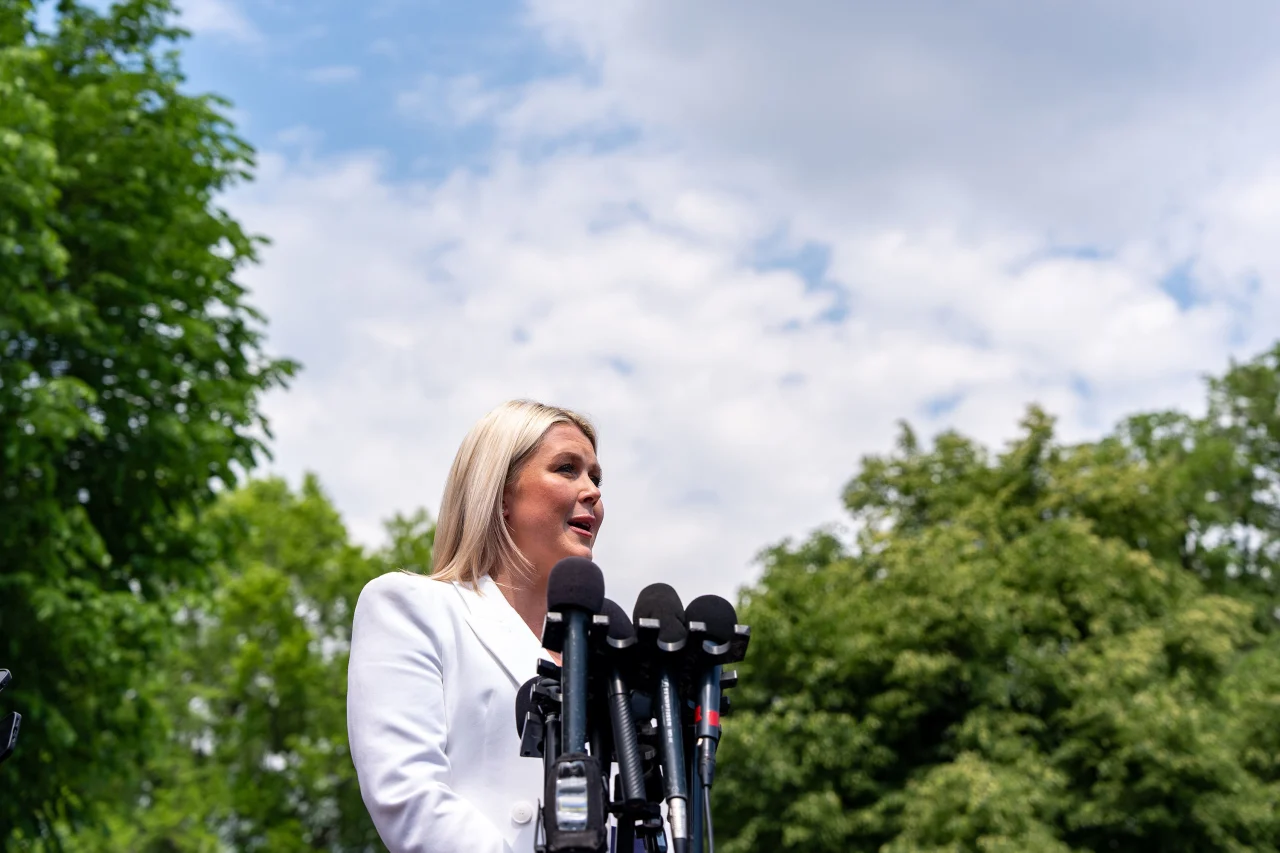
Press Secretary Karoline Leavitt told reporters that President Donald Trump decided to send special envoy Steve Witkoff and Jared Kushner to Pakistan after signs of progress from Tehran.
“We’ve certainly seen some progress from the Iranian side in the last couple of days,” Leavitt said.
“Again, the president has made the decision to send Steve and Jared to hear the Iranians out, so we’ll see what they have to say.”
Her comments suggest the administration believes there is enough momentum to justify another round of high-level diplomacy, even as military pressure and the U.S. naval blockade remain in place.
Witkoff and Kushner Head to Pakistan for New Talks
Leavitt confirmed that Witkoff and Kushner will leave Saturday morning for Islamabad to engage in talks involving Iranian representatives.
The discussions are expected to be direct conversations, but mediated by Pakistani officials rather than formal face-to-face U.S.-Iran negotiations at the start.
“I can confirm special envoy Witkoff and Jared Kushner will be off to Pakistan again tomorrow morning to engage in talks, direct talks — intermediated by the Pakistanis, who have been incredible friends and mediators throughout this entire process — with representatives from the Iranian delegation,” Leavitt said.
Pakistan has emerged as one of the most important diplomatic bridges between Washington and Tehran during the current crisis.
The White House sees Islamabad as a trusted mediator capable of keeping both sides engaged while avoiding immediate military escalation.
Trump Still Waiting for Iran’s Unified Proposal
One of Trump’s key public demands has been for Iran to present what he has called a “unified proposal” that clearly outlines its willingness to abandon nuclear weapons development in verifiable terms.
When asked by CNN whether the White House had received that proposal, Leavitt did not directly answer.
Instead, she kept the administration’s tone cautious.
“We hope progress will be made, and we hope that positive developments will come from this meeting, and we will see,” she said.
That response suggests negotiations are still far from complete and major disagreements remain unresolved.
The administration wants Iran to abandon any path toward nuclear weapons while also addressing broader security concerns across the Middle East.
JD Vance on Standby if Talks Advance
Vice President JD Vance is not expected to join the first phase of the Pakistan talks, but the White House says he remains closely involved and ready to travel if negotiations move forward.
Leavitt said Vance will stay in the United States with Trump, Secretary of State Marco Rubioand the national security team while monitoring developments.
“The vice president remains deeply involved in this entire process, and he’ll be standing by here in the United States,” she said.
“Of course, everyone will be on standby to fly to Pakistan if necessary.”
This approach reflects the fragile nature of the negotiations.
The administration appears ready to quickly escalate diplomatic engagement if the first meetings produce meaningful progress.
Iran Publicly Denies Direct US Negotiations
Despite the White House’s optimism, Tehran is publicly rejecting the idea that direct negotiations with U.S. officials are happening in Pakistan.
Semi-official Iranian outlet Tasnim News Agency denied reports that Foreign Minister Abbas Araghchi would negotiate with American representatives in Islamabad.
“Currently there are no negotiations with the Americans on the agenda,” the agency reported.
It added that Araghchi’s visit is focused on discussions with Pakistan itself, not direct diplomacy with Washington.
According to Tasnim, the trip is intended to cover “Iran’s considerations about ending the war” with Pakistani mediators rather than formal talks with U.S. envoys.
That difference in messaging highlights how politically sensitive the diplomacy remains for both governments.
Araghchi Expands Regional Diplomatic Tour
Araghchi confirmed earlier that he would travel to Pakistan, Oman, and Russia as part of a broader diplomatic mission.
He described the trip as an effort to “closely coordinate with our partners on bilateral matters and consult on regional developments.”
Oman has historically played a quiet but important role in U.S.-Iran diplomacy, while Russia remains one of Tehran’s closest strategic allies.
Moscow has offered to help manage Iran’s enriched uranium as part of a potential nuclear deal, though Trump reportedly rejected that option to avoid giving Russia greater leverage.
Pakistan’s role, however, is now the most immediate and urgent.
Its ability to keep both Washington and Tehran engaged may determine whether the current ceasefire survives.
Military Pressure Continues During Diplomacy
Even as talks continue, the U.S. blockade of Iranian ports and vessels remains fully active.
Defense Secretary Pete Hegseth said Friday that the blockade has gone “global” and will continue for “as long as it takes.”
The Pentagon has confirmed that U.S. forces seized additional Iranian-linked ships this week and continue stopping vessels in the Strait of Hormuz.
Trump has also made clear he is not rushing for a deal.
He told reporters earlier this week that he has “all the time in the world” and warned Iran that economic collapse would continue if it refused meaningful concessions.
That combination of diplomacy and sustained military pressure remains the center of the White House strategy.
Pakistan has quietly become one of the most important players in preventing a broader regional war.
After the U.S.-Israeli strikes on Iran and Tehran’s retaliation triggered weeks of conflict, Islamabad stepped in to preserve communication channels.
Trump extended the Iran ceasefire earlier this week partly to give Pakistan more time to mediate.
Now, with Witkoff and Kushner returning and Araghchi arriving, the next 48 hours could be critical.
Whether these meetings produce a true diplomatic breakthrough or simply buy more time remains uncertain.
But for now, the White House believes enough progress has been made to keep talking.
And in a conflict this dangerous, even small progress matters.
A Pakistani official told Axios that the meeting with Araghchi will focus on relaunching negotiations with the Trump administration.
“A trilateral meeting with the U.S. will be assessed after our meeting with Araghchi,” the Pakistani official said.
Araghchi is expected to travel from Islamabad to Muscat, Oman, and then to Moscow. So it’s unclear when he will meet the U.S. envoys.
Two sources said the meeting between the U.S. envoys and Araghchi could take place on Mondayafter Kushner and Witkoff hold separate bilateral talks with the Pakistani mediators.
More on US News
Comments are closed.