
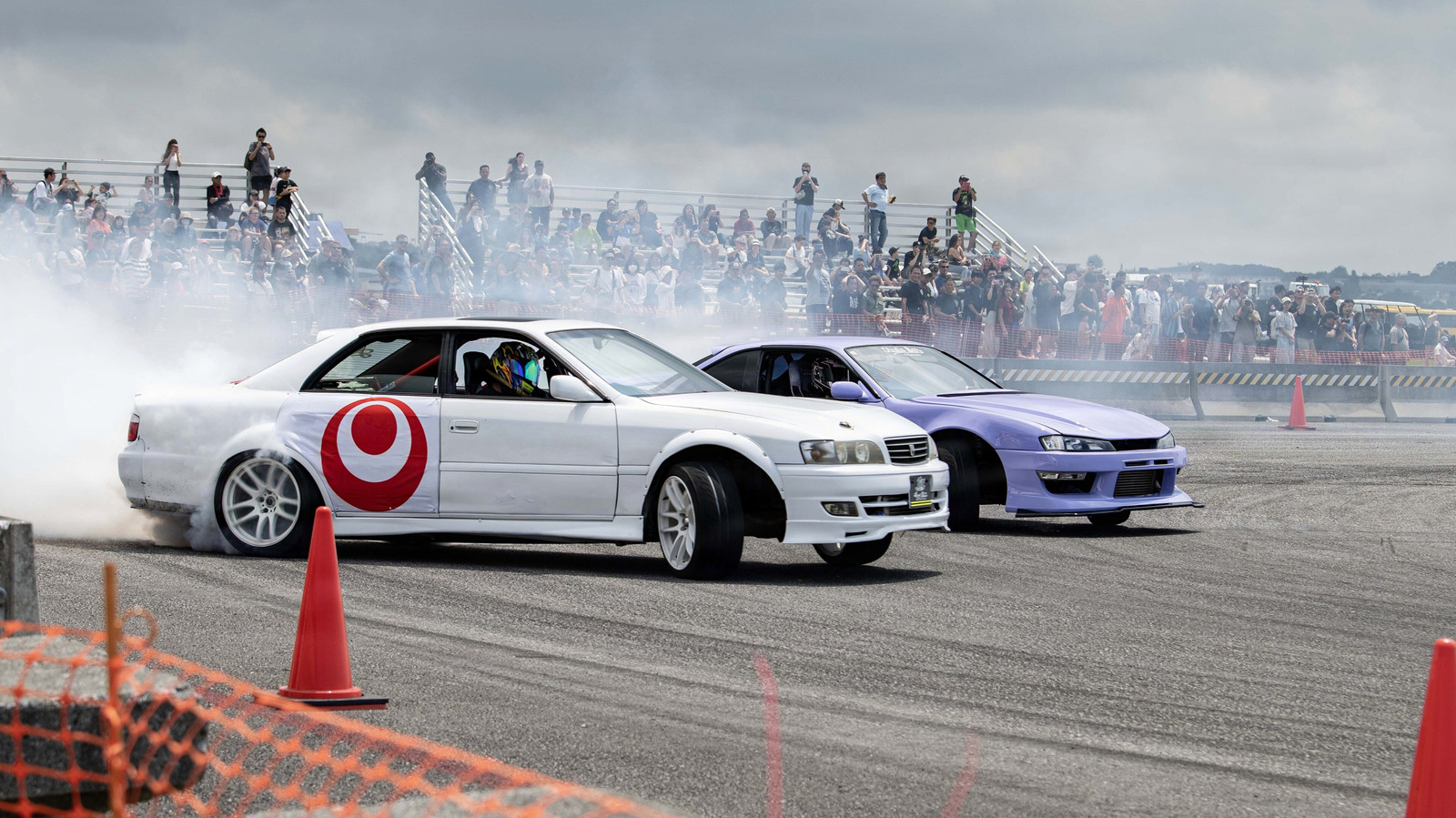

Love or hate them, the Fast and Furious films have significantly impacted car culture as a whole. After the third film, “Tokyo Drift, dropped in 2006, drifting automobiles went from something that was mostly happening over in Japan to a mainstream professional motorsport with millions of fans nationwide. The art of drifting requires drivers to constantly oversteer, forcing the car to slide (or drift) through turns and earn “style” points as they move around the track.
Sliding sideways through turns while smoking the wheels looks cool, and there are even cars designed for the task, and even cater to beginners. Mechanics agree though that pulling off this maneuver puts the entire car under tremendous stress. This is where the rubber of real-world physics — friction, centripetal force, Newton’s laws of motion — meets the road and can cause major problems.
The most obvious is that both the tires and rims wear out faster. What’s more, the drivetrain and differential are prone to overload. Then there’s stress-related damage to other systems like the suspension, brakes, steering, cooling, transmission, and the engine. So, if you’re thinking about slip sliding through turns, be ready to pay the piper.
Parts and pieces wear out faster
Thrills aside, drifting a car inherently causes tire temperatures to routinely reach 250 degrees Fahrenheit. Once tire temps reach 195, the extreme heat can soften and break down the rubber, eventually compromising structural integrity. They make tires specifically for drifting, but those are expensive and don’t last long. Metal alloy rims can withstand high temps, but constant lateral G-forces can cause them to bend or even break.
Next on the list is the wear and tear on the differential and drivetrain. Techniques such as “clutch-kicking” makes the clutch assembly and flywheel susceptible to overheating. Sudden changes in direction and high RPMs from constant throttle use combine to create sudden torque spikes that components like axles, CV joints, and transmissions simply aren’t designed to handle. No matter the differential type, the stress drifting causes can make everything wear out faster than normal.
Constantly pushing a car sideways through turns subjects the suspension and steering systems to excessive lateral G-forces. All the constant, dynamic weight transfer during cornering will eventually take a toll on ball joints and tie rods, causing rubber bushings, internal bearings and sockets to loosen to the point that they no longer function as intended. Shocks and struts, which are constantly stressed (compressing and rebounding) beyond tolerance levels as they absorb impacts as the car slides through turns, will suffer. Internal seals degrade as the damper fluid heats up, leading to wheel alignment issues, especially with camber, caster, and toe. Furthermore, wheel shimmy caused by loose parts is a legit concern.
All the stress has any lasting impact on the frame too Due to the physics involved, the intense, sustained lateral G-forces will eventually cause the frame to bend or crack, especially if there aren’t any subframe reinforcements like strut bars or roll cages, which help increase the frame’s rigidity.
Heat is a car’s enemy
The proper use of the hand brake is an essential element for a proper drift. Every facet of the brake system — from the hand brake itself to the calipers and rotors — will take a beating. Also, replacing the standard handbrake with a hydraulically operated one is preferable, so plan to upgrade if you plan on drifting often.
Drifting does indeed stress the engine and the transmission. Quick throttle changes, coupled with exceptionally high RMPs that routinely push things to redline, create internal friction, heat, and wear on piston rings, cylinder walls, and valve train mechanisms. All of these contribute to engine oil breakdown. Plus, the oil level in the pan is constantly shifting thanks to the lateral G-forces created as the car slides into a turn, which routinely move it away from the sump’s pickup tube which can cause a complete lack of oil in the engine.
Finally, between swapping paint with fellow drivers and the consistently odd steering angle that may block radiator airflow, it’s easy for the cooling system to become overwhelmed, which can eventually cause things like head gaskets and hoses to fail. As such, ensuring the cooling system can handle all the heat is critical, and regularly maintaining every component on the car is absolutely essential.

Comments are closed.