


Hyderabad has built one of India’s strongest culinary identities. From biryani and haleem to a restaurant culture that attracts visitors from across the country, food has become part of the city’s reputation as much as its history.
Yet recent figures present a striking contrast. Of an estimated 75,000 food establishments operating across Hyderabad, only around 25,000 currently hold an FSSAI license, and just 361 have obtained an FSSAI Hygiene Rating, placing the city last among India’s major metros in a program specifically designed to help consumers identify food establishments that have undergone an independent assessment of their hygiene practices.
That represents less than two percent of licensed establishments and an even smaller fraction of the city’s overall food businesses. The Hygiene Rating Scheme evaluates restaurants on parameters including food handling practices, sanitation, employee hygiene, pest management, storage conditions and overall compliance with food safety standards through a one to five star rating system.
Representational Picture: Pexels
For the overwhelming majority of restaurants in Hyderabad, however, customers have no official way of knowing whether those practices have ever been independently evaluated before deciding where to dine.
The explanation is not necessarily a lack of concern for food safety. It is largely a reflection of how the system is designed to operate. The FSSAI Hygiene Rating Scheme remains voluntary, allowing restaurants to continue operating without applying for certification. While food safety officials encourage establishments to participate during inspections, there is no regulatory requirement to undergo the assessment, leaving adoption dependent on each business owner’s priorities rather than a uniform industry expectation.
Also Read: Diljit Dosanjh Lived With An 11mm Gallstone For 10 Years: Why Waiting Can Be Risky
Voluntary transparency programs often create an unusual market dynamic. Businesses that already maintain strong food safety systems are generally more willing to invite independent evaluation because they expect the outcome to strengthen consumer confidence. Those that view the process as an additional operational burden or see little commercial value in obtaining a rating have little incentive to participate.
When only a small percentage of restaurants display hygiene ratings, the absence of a rating stops providing meaningful information because it becomes the norm rather than the exception. Consumers are left choosing between restaurants with little objective insight into how their kitchens compare.
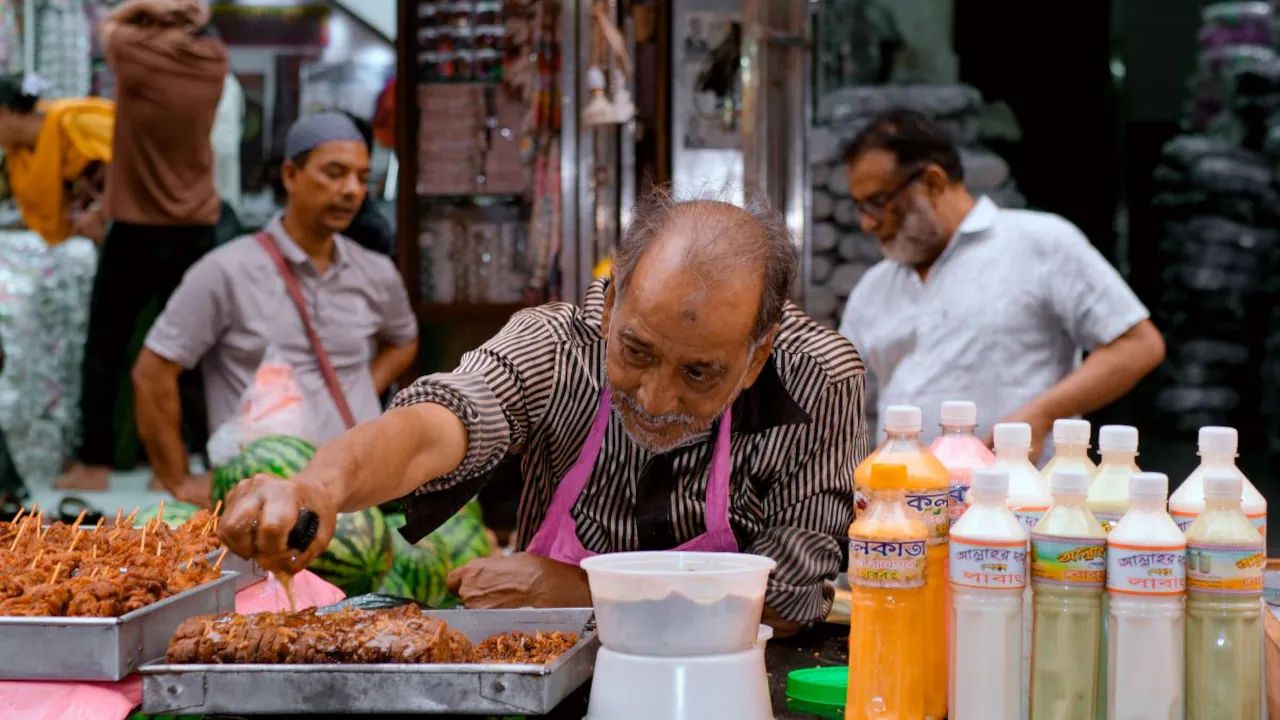
Representational Picture: Pexels
The challenge extends beyond Hyderabad. India’s food service industry has grown rapidly over the past decade, driven by organized restaurant chains, cloud kitchens, food delivery platforms and increasing consumer demand. At the same time, expectations around food safety have also evolved. Regulators, institutional buyers, and increasingly informed consumers are placing greater importance on documented hygiene practices, operational consistency, and independently verified compliance rather than relying solely on brand reputation or customer reviews.
Also Read: Nadoo In Gurugram Feels Like A South Indian Home Away From Home
Ashwin Bhadri, Founder and CEO of Equinox Labsbelieves Hyderabad’s numbers highlight the limitations of any voluntary transparency framework when participation remains low.
“A hygiene rating becomes valuable only when consumers can meaningfully compare establishments across the market. If only a very small proportion of businesses participate, the absence of a rating no longer tells consumers anything useful because it describes most restaurants rather than a small minority. The objective should not simply be to increase the number of certificates issued but to encourage consistent food safety practices that businesses are confident enough to have independently evaluated.”
The issue is becoming increasingly relevant as food businesses compete not only for customers but also for institutional contracts, corporate cafeterias, and partnerships with organized food service platforms, where documented food safety practices often influence procurement decisions. Independent verification of hygiene standards is gradually moving beyond regulatory compliance and becoming part of how businesses demonstrate operational credibility and long-term reliability.
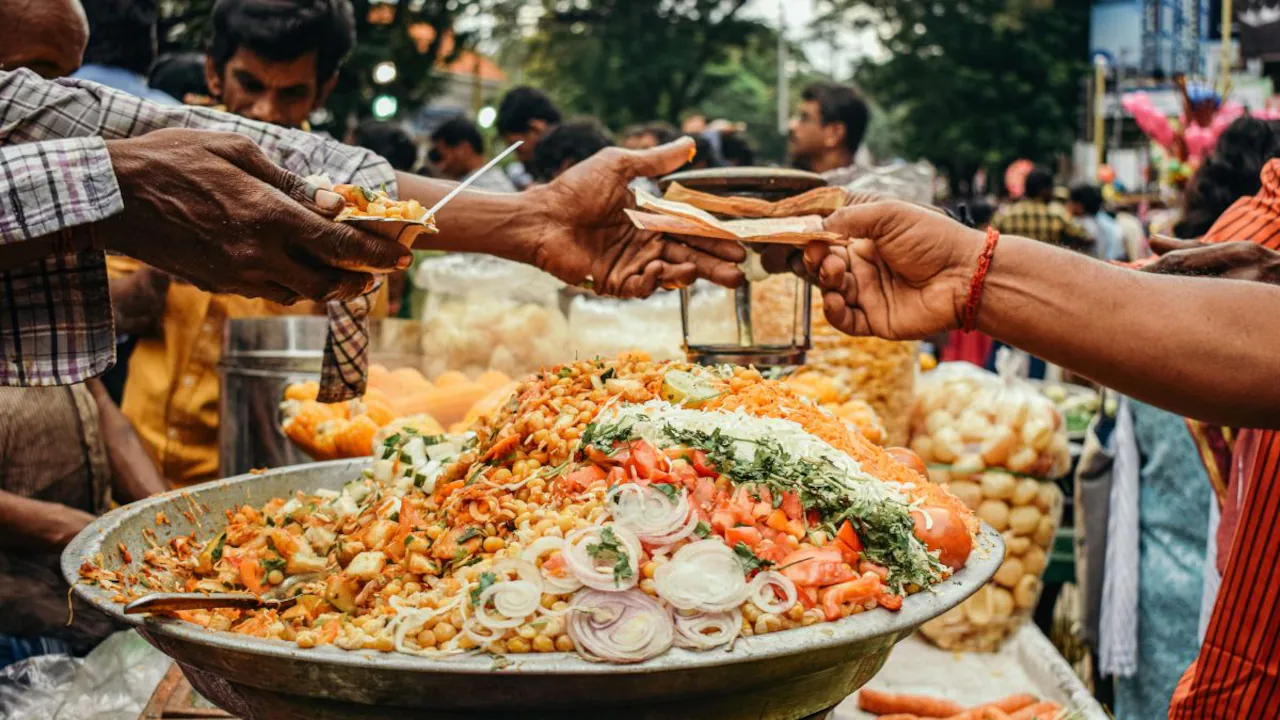
Representational Picture: Pexels
Hyderabad’s position at the bottom of India’s hygiene rating rankings should not be viewed simply as a reflection of one city’s performance. It illustrates the wider challenge of encouraging voluntary participation in systems that depend on transparency to function effectively.
The city remains one of India’s great food destinations, but its verified hygiene infrastructure has yet to keep pace with its culinary reputation. Until participation becomes widespread enough for hygiene ratings to serve as a meaningful market signal, consumers will continue making dining decisions based largely on reputation rather than independently verified evidence of how those kitchens actually operate.

Comments are closed.