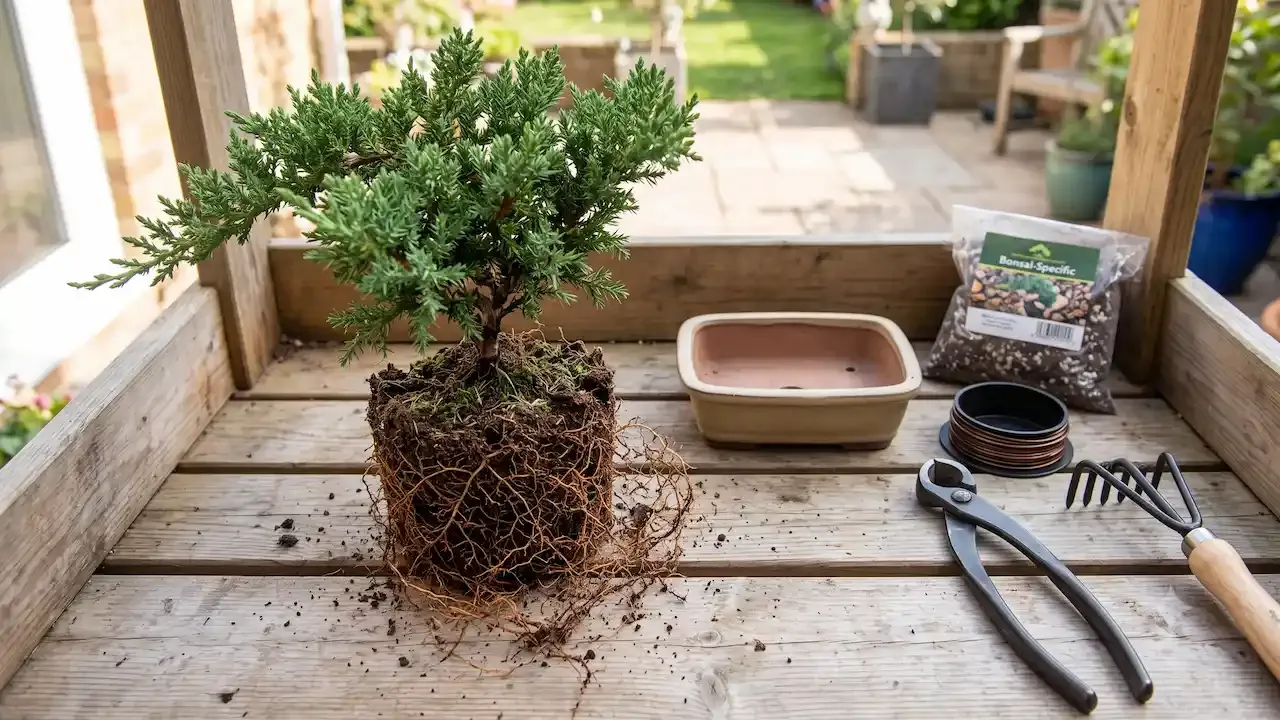
Bonsai tree: If you don’t want to limit gardening to just planting trees, but rather enjoy a living art form, bonsai is an excellent choice. The ultimate specialty of bonsai is the ability to cultivate a miniature tree in a small pot over the years. This ancient art, popularized in Japan, is rapidly gaining popularity in India. It’s a wonderful blend of natural beauty, creativity, and patience in a small space.
Why is bonsai so special?
Bonsai is not a separate plant species, but rather the art of growing ordinary trees into miniature forms using special techniques. Many trees, such as the banyan, peepal, ficus, juniper, bougainvillea, and Chinese elm, can be made into bonsai. The aim is to create a miniature tree while maintaining its natural shape and balance. Regular pruning, root control, and branch shaping distinguish it from ordinary plants.
Why is it considered a unique combination of patience and art?
A beautiful bonsai isn’t created in a few months. It can take five to ten years or more to achieve its attractive form. This process involves carefully trimming the roots, pruning the branches, and shaping them with copper or aluminum wire. This is why bonsai is considered a prime example of patience, discipline, and artistic thinking.
How to prepare bonsai at home?
Bonsai begins with selecting the right plant and a shallow, well-draining pot. The soil should be a balanced mix of cocopeat, coarse sand, gravel, and organic compost to prevent water stagnation and ensure adequate air access to the roots. Periodically, light pruning of the roots and branches and shaping with wire is performed. This keeps the plant healthy and within a limited size.
How to care for bonsai?
Due to the small pot, the soil dries out quickly, so regular attention to moisture is essential. Water only when the soil is slightly dry and avoid waterlogging. Most bonsai require adequate natural light, occasional organic or liquid fertilizer, and regular cleaning. Removing dead leaves and unnecessary branches promotes new growth.
Why is it gaining popularity in home decor?
Today, bonsai have become an integral part of modern interior design. A beautiful bonsai placed in a drawing room, balcony, office, or terrace garden adds a natural and inviting touch. Due to its ability to create a green atmosphere in a small space and its longevity, it has also become a popular gift option.
What things should be kept in mind?
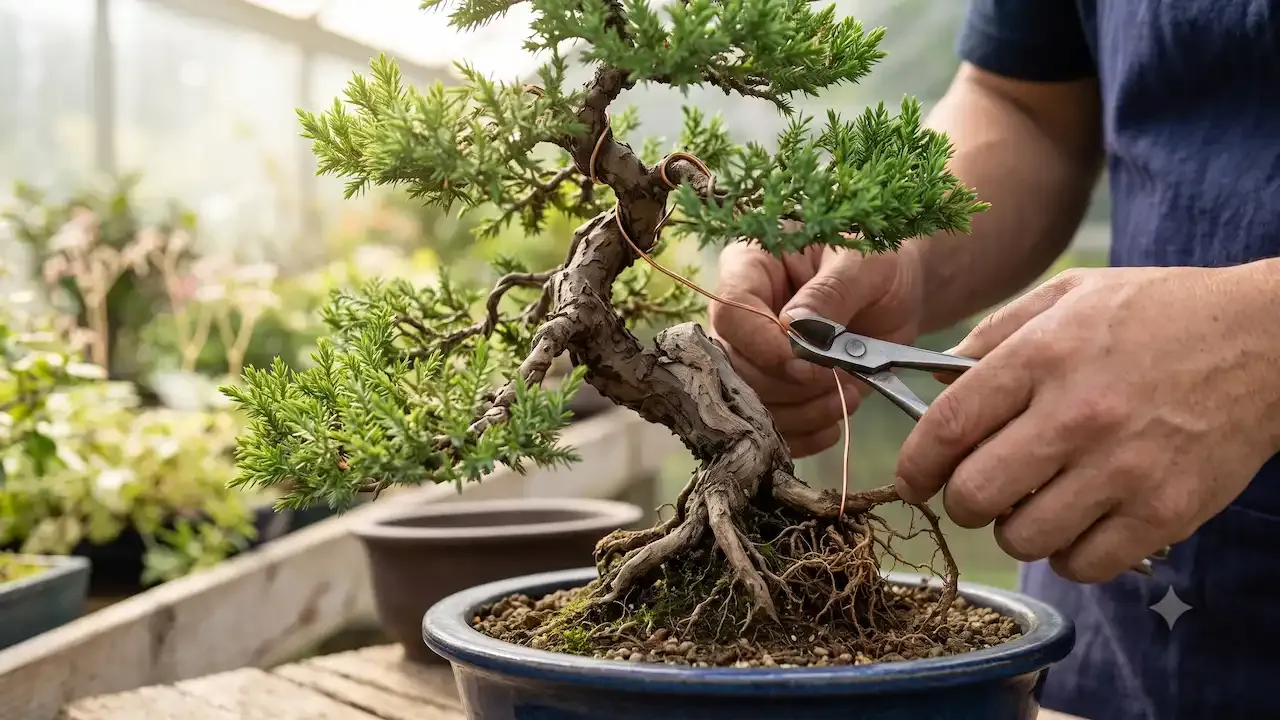
Don’t overwater your bonsai or let the soil dry out completely. Each plant’s sunlight and water requirements vary, so care for it based on its species. Every two to three years, it’s essential to replace the soil, lightly prune the roots, and protect the plant from pests. Regular care maintains its beauty.
Why is bonsai becoming the first choice of gardening lovers?
Natural beauty, artistic forms, greenery in limited spaces, and longevity make bonsai among the world’s most unique plants. If you’re interested in pursuing gardening as a creative art, bonsai is an ideal choice. With the right technique, patience, and regular care, this miniature tree can add both beauty and personality to your home.
FAQ
Can a bonsai plant be kept indoors?
Yes, some species like Ficus Bonsai do well in indoor environments, but they also need a few hours of good light or bright ventilation during the day.
Does making a bonsai harm the tree or kill it?
Absolutely not. This is a scientific and artistic method. Proper pruning doesn’t weaken the plant, but rather keeps it healthy and long-lived, even at a smaller size.
Which bonsai is best for beginners?
For beginners, ‘Ficus S-Shape Bonsai’ or ‘Jade Plant Bonsai’ are considered the best because they are very hardy and can easily survive even with minimal care.
Why is wiring done in bonsai?
Copper or aluminum wire is wrapped around the branches to give them the appearance of an old, bent, or artistic tree. These wires are removed once the shape is established.
How long does a bonsai plant last?
With proper care, a bonsai plant can live for over 100 years. Many bonsai in Japan are centuries old and have been passed down from generation to generation.