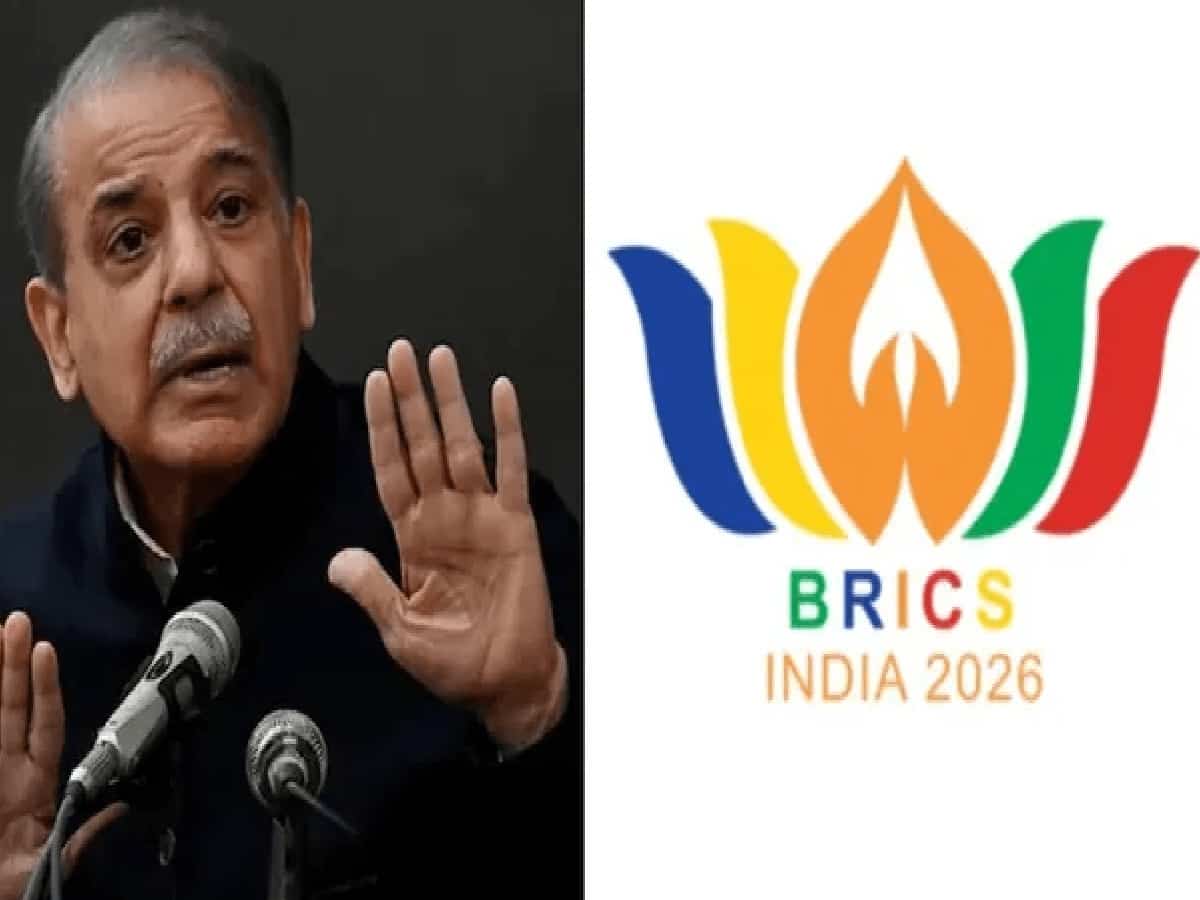
Pakistan’s persistent diplomatic push to secure membership in the influential BRICS bloc has once again brought attention to the country’s broader geopolitical and economic ambitions. Having formally submitted its application back in 2023, Islamabad finds itself among a roster of 29 nations eager to enter the intergovernmental organization. Driven by severe domestic economic distress, soaring inflation, and a sluggish GDP growth rate of 3.70 percent, Pakistan views BRICS as a vital economic lifeline. As part of its strategy to diversify its financial standing and reduce its heavy reliance on Western-dominated institutions like the International Monetary Fund (IMF) and the World Bank, Pakistan reportedly purchased a 580 million dollar stake in the BRICS-backed New Development Bank, signaling its desperation to integrate into alternative global financial networks.
India’s Strategic Veto and the Consensus Rule Block Islamabad’s Entry
Despite receiving backing from key allies like Russia—with Pakistan’s ambassador to Moscow, Muhammad Khalid Jamali, openly seeking Kremlin support—Islamabad’s membership bids have consistently hit a brick wall. The primary and insurmountable obstacle to Pakistan’s admission is staunch opposition from India. Because the BRICS organization operates strictly on a consensus-driven model requiring the unanimous approval of all existing member states, New Delhi holds an effective veto over any new expansion. While nations like Egypt, Ethiopia, Iran, and the United Arab Emirates successfully secured induction during previous expansion rounds, Pakistan’s geopolitical history, state-sponsored terrorism concerns, and strained bilateral relations with founding member India continue to disqualify it from joining the elite economic bloc.
Diplomatic Posturing Versus Regional Realities: Islamabad’s Ongoing Struggle for Global Relevance
In November 2023, Pakistan Foreign Ministry spokesperson Mumtaz Zahra Baloch publicly articulated Islamabad’s aspirations, claiming that joining BRICS would enable the country to play an instrumental role in enhancing international cooperation and reinforcing inclusive multilateral systems. However, international relations experts point out that Pakistan’s internal instability, structural economic collapse, and ongoing geopolitical posturing make it an undesirable candidate for a bloc centered on rising economic powerhouses and emerging financial stability. As the 2026 BRICS Summit unfolds with global heavyweights convening in New Delhi, Pakistan’s exclusion serves as a stark reminder of its diminishing diplomatic leverage and the profound consequences of its regional isolation.