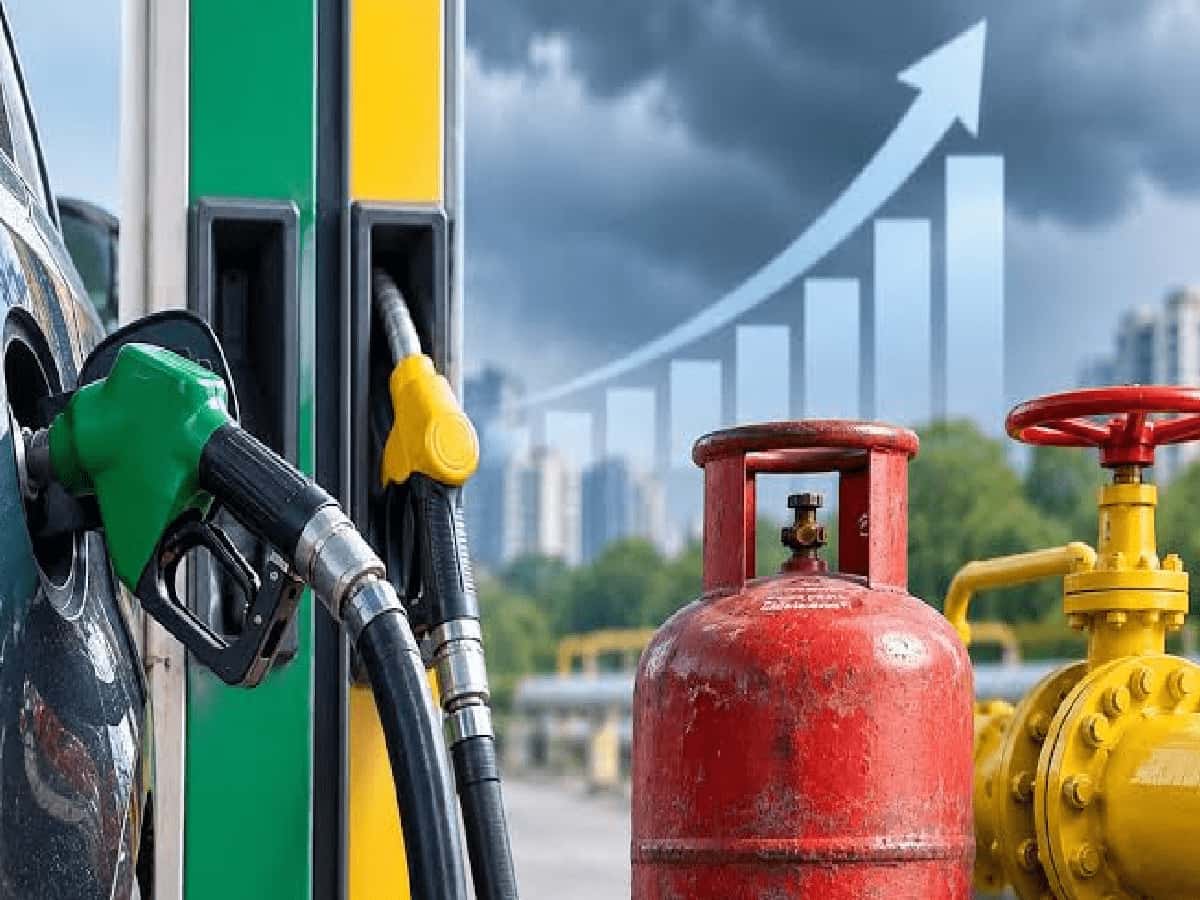
Official data compiled by the Ministry of Petroleum and Natural Gas’s Petroleum Planning and Analysis Cell (PPAC) has revealed a fascinating divergence across India’s domestic energy basket for the month of September, showcasing robust, double-digit economic mobility against constrained kitchen fuel intake. While retail demand for automobile transport fuels hit multi-month highs—propelled by pre-festive logistics, commercial freight travel, and widespread personal vehicle usage—LPG consumption witnessed a sharp decline of 9.15% compared to the same period last year. With overall cooking gas usage dipping to 2.64 million tonnesenergy market analysts are evaluating the precise geopolitical, fiscal, and logistical bottlenecks that caused cooking gas volumes to slip even as national fuel pumps registered bumper sales.
The September Numbers: Mobility Fuels Surge on Pre-Festive Momentum
The preliminary operational intake numbers released by PPAC highlight strong momentum across the nation’s surface transport sectors:
Petrol Consumption Expands 7.21%: Motor spirit (petrol) demand rose significantly by 7.21% year-on-yeartouching 3.64 million tonnes in September as increased passenger car movements, two-wheeler daily commutes, and pre-festive shopping boosted urban and semi-urban retail fuel stations.
Diesel Sales Climb 4.86%: Accounting for nearly two-fifths of India’s overall refined fuel consumption, high-speed diesel clocked 7.12 million tonnesmarking an increase of 4.86% compared to September last year on the back of resilient agricultural operations, industrial haulage, and interstate truck logistics.
Clear Energy Divergence: The simultaneous expansion in vehicular fuels alongside a noticeable slide in domestic gas volumes demonstrates that consumer travel and freight logistics remained vibrant, while cooking gas distribution confronted external friction.
Why LPG Consumption Dropped 9.15%: Unpacking Supply and Price Constraints
Rather than signaling a decline in household demand, energy analysts point toward external geopolitical headwinds that influenced domestic availability and distribution timelines:
Geopolitical Chokepoints in the Middle East: India relies heavily on foreign imports to satisfy over half of its domestic LPG requirements, with primary supply lanes originating in Gulf nations. Escalating military tensions and maritime transit friction in the Middle East disrupted regular shipping schedules and created localized freight delays.
Spike in Commercial Refill Costs: Escalating import parity prices prompted state-run oil marketing companies to enforce recurring price hikes on 19 kg commercial cylinders, driving hotels, roadside eateries, and food vendors to streamline usage, conserve fuel, and postpone bulk inventory stocking.
Extended Refill Booking Cycles: Supply constraints and delayed vessel berths forced oil distributors to stretch booking-to-delivery windows and lengthen compulsory intervals between domestic refill bookings in several circles, mechanically lowering monthly dispatch velocity.
Government Push to Diversify Kitchen Energy: In response to recurring overseas supply shocks, policymakers have accelerated efforts to curb import dependency, driving urban households toward piped natural gas (PNG) grids and promoting induction-based electric cooking across subsidized segments.
Kitchen Reality Check: Are Indian Homes Really Moving Away From Gas Cylinders?
Despite the 9.15% headline contraction in recorded sales volume, industry observers emphasize that India’s underlying domestic kitchen habits remain firmly anchored to LPG:
Unbroken Dependence on 14.2 kg Cylinders: The vast majority of households across urban, suburban, and rural India continue to rely primarily on subsidized 14.2 kg domestic LPG cylinders for daily cooking needs, making any structural departure highly improbable in the short term.
Supply-Side Bottleneck, Not Structural Demand Loss: Energy economists clarify that the September volume drop reflects supply-side bottlenecks, tanker scheduling reconfigurations, and inventory rationing by regional bottling facilities rather than a sudden behavioral shift away from cooking gas.
Normalization on the Horizon: As shipping corridors stabilize and oil marketing companies replenish coastal storage caverns ahead of the peak festive season, supply schedules are expected to rebound, bridging the temporary deficit seen in the September data.