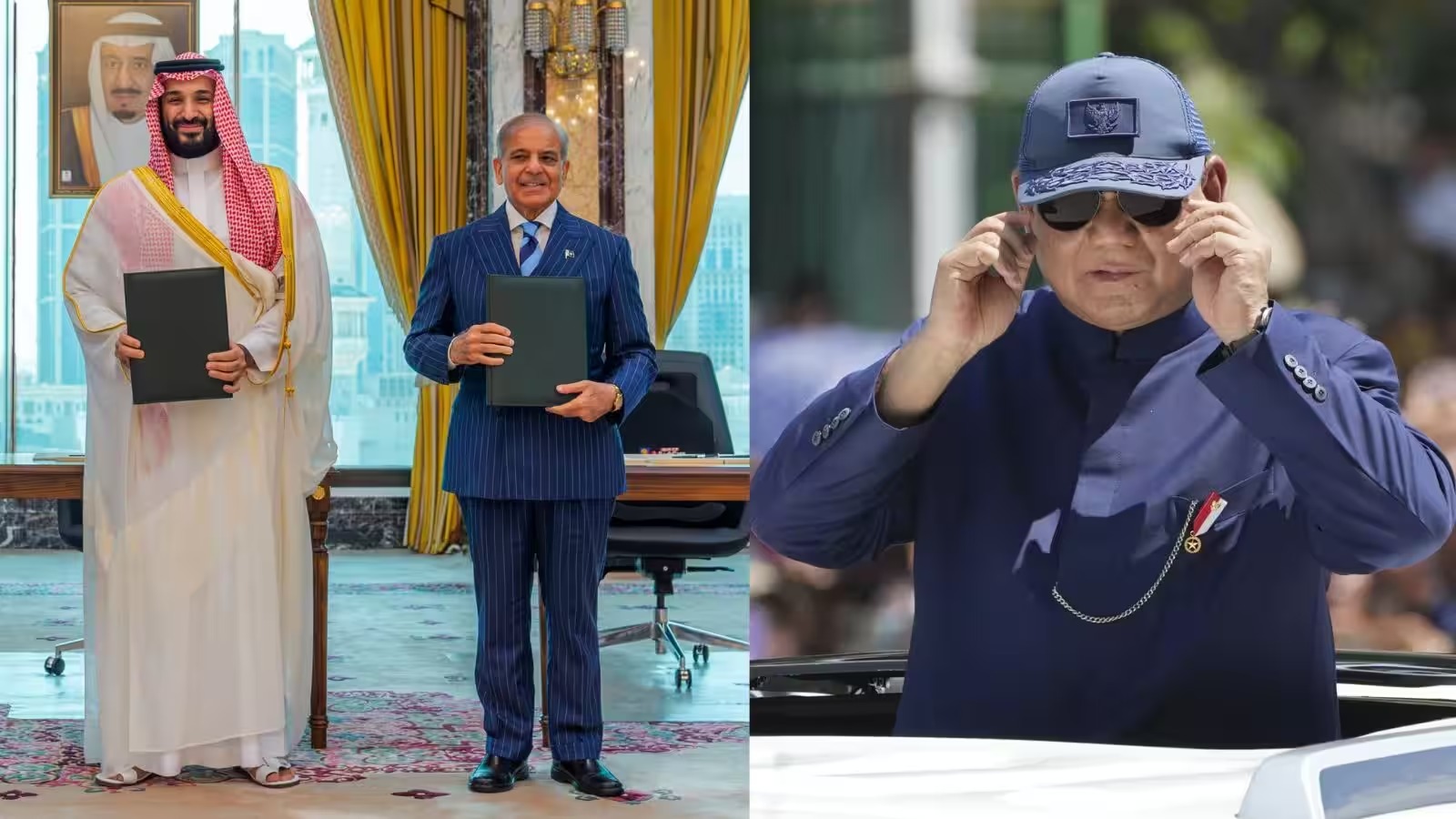
A new discussion has started in international diplomacy regarding the foreign policy of Indonesia, the country with the world's largest Muslim population. Reports coming out quoting Turkish officials have claimed that Jakarta is considering joining the Mecca Defense Agreement and is weighing its options. This agreement was signed between Türkiye, Saudi Arabia and Pakistan in August 2026 and the process of its implementation was completed in November. If Indonesia becomes part of this defense framework, it would be a major signal of strategic engagement from Southeast Asia to the Middle East, and would also raise questions about whether Jakarta is going to make a major change in its traditional non-aligned and independent foreign policy. Turkey's claim and expansion of the Mecca defense agreement Turkish officials say that Indonesia's interest in this agreement seems natural given the growing closeness between Ankara and Jakarta, especially in the field of defense industry cooperation. The Mecca Joint Defense Agreement is designed to provide for collective security, military coordination, intelligence sharing and expansion of defense production. Initially it includes Türkiye, Saudi Arabia and Pakistan, but speculation is rife about its possible expansion amid regional tensions and changing security equations. Indonesia is located in South-East Asia, so its joining this alliance will also be considered an important development geographically. Nehru Model, Non-Alignment and Jakarta's Foreign Policy Indonesia's foreign policy history has deep roots in its independent and proactive approach, which many analysts link to the non-aligned thinking of the Jawaharlal Nehru era and the legacy of the Bandung Conference. For decades, Indonesia has prioritized strategic autonomy while avoiding formal military alliances. Experts believe that even under the leadership of President Prabowo Subianto, Indonesia has talked about maintaining its independent identity while increasing practical relations with various partners. In such a situation, it will not be an easy decision for Jakarta to join any formal collective defense agreement, because it may affect its image of balanced diplomacy. Badr Agreement, Defense Deals and Ground Reality This discussion has intensified at a time when Indonesia has recently signed the Badr Memorandum of Understanding with Pakistan, Turkey and Qatar on cooperation in defense and other sectors. Additionally, the scope of defense deals between Indonesia and Türkiye has already expanded significantly, including agreements for Turkish fighter aircraft and naval vessels. However, there has been caution from Indonesian diplomatic sources regarding confirmation of Mecca joining the defense agreement. Analysts say increasing defense procurement and technical cooperation does not always mean becoming a member of a formal military group. What it means for India and the Indo-Pacific For India, Indonesia is not just a neighboring maritime country but an important strategic partner in the Indo-Pacific region. If any major Asian country's engagement with the security architecture of Pakistan, Turkey and Saudi Arabia increases, it would be natural for New Delhi to keep an eye on regional diplomacy and security equations. At the same time, Indonesia is also pursuing its interests through its association with BRICS, activism in economic organizations and multi-dimensional partnerships with many countries. In the coming time, it will become clear whether Jakarta remains limited to new agreements on defense cooperation or indeed moves forward from its decades-old policy and moves towards the Mecca Agreement.