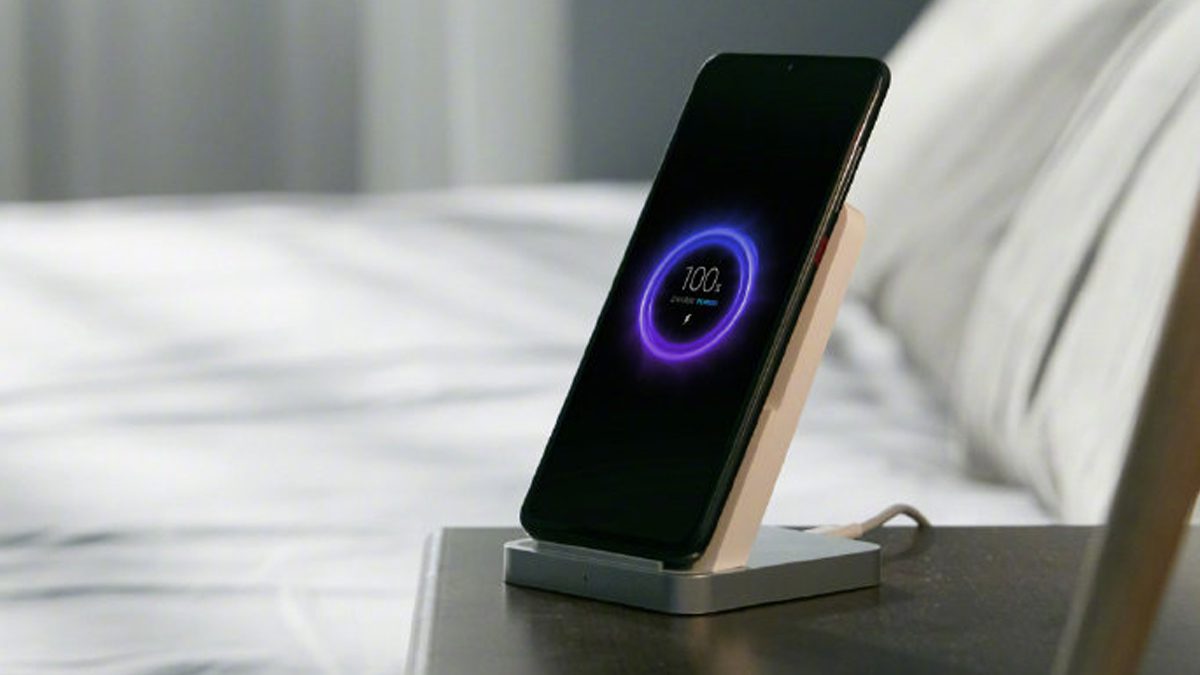
For a long time, people sold it as a sci-fi replacement for cables. In practice, it has been less dramatic. A person sets a compatible phone on a pad. A magnetic field sends energy across a short gap. Then the battery starts to charge. It is nice to use, but it is not the fully cable-free world that was promised.
Now, in 2026, the tone is shifting with wireless charging. Charging is moving faster in product and research work. Alignment is getting smoother, so devices sit more easily. Teams at research labs and tech firms are also looking at ways to send power farther away.
The big goal sounds simple. Recharge devices without insisting they be laid on a specific pad. For example, earbuds could stay charged while sitting on a desk. Sensors might take small amounts of energy without frequent battery swaps. A phone could charge when it is placed within a marked area.
Some versions of this are doable today. Still, making it work well for everyday use is hard. It has to be practical, efficient, and safe at the scale people expect. So the next chapter will not hinge on one single breakthrough. It will come from steady progress across efficiency, speed, placement accuracy, heat control, safety, and device compatibility.
Wireless Charging: The Basic Idea
Most phone chargers that work without a cable rely on electromagnetic induction. A coil in the pad makes an alternating magnetic field. Inside the phone, another coil picks up that field. That received energy is then turned into electrical power to charge the battery.
At first, the idea sounds straightforward. In practice, the hard part is keeping the energy transfer efficient. Good results depend on how the phone sits. If the phone is close to the pad and the coils line up well, more power moves across.
If the phone drifts, or the spacing grows, the efficiency usually drops.
That is also why a phone on top of the pad charges more consistently than the same phone placed farther away. Wireless charging is not fully “wireless” in the strict sense. You still need nearby placement. So it is better described as wireless power transfer over a short gap.
Qi2 Is Making Wireless Charging Easier To Use
Qi2 is a key step forward for wireless charging people can actually rely on. It comes from the Wireless Power Consortium. Qi2 works within the existing Qi system. It also adds a Magnetic Power Profile. This feature is meant to help the phone line up better with the charger.
Real wireless charging has a common annoyance. On many charging pads, you have to set the phone down in the right spot. If you are even a little off, charging can slow down. It may use more power than it should. In some cases, it may not start.
Magnetic alignment is meant to reduce that hassle. It helps place the device and the charger coils in the right alignment. That small change matters in day to day use. Wireless charging can shift from careful placement to simply setting the phone down and connecting it.
Long-range Wireless Charging Is Tough
The idea sounds great, but it is not easy to build.
Long-range charging has to move real power even when the charger and the device are apart by a noticeable gap. People point to a few possible paths. These include different radio based methods, resonant coupling, and other electromagnetic approaches. Still, the rules of physics limit what can work well.
As the distance grows, it gets harder to send energy to the receiver in a focused way. A setup meant to power a tiny sensor is not the same as a setup meant to charge a phone. Phones need far more energy. So a real long-range charger would have to handle many issues at once:
- moving energy with good efficiency
- spotting the device reliably
- keeping power levels within safe limits
- managing heat
- reducing interference with other signals
- meeting government requirements
- shrinking the receiver hardware
That is why the market is not likely to jump straight from desk pads to fast phone charging from anywhere in a room. More likely, the change comes step by step.
Efficiency Is A Major Issue For Far-range Wireless Charging
With a wired charger, electricity goes through a physical connection that is fairly direct. Wireless charging has to push power across an air space. It does this by using an electromagnetic field. During that crossing, some energy is always lost. As the gap gets wider, the losses tend to rise.
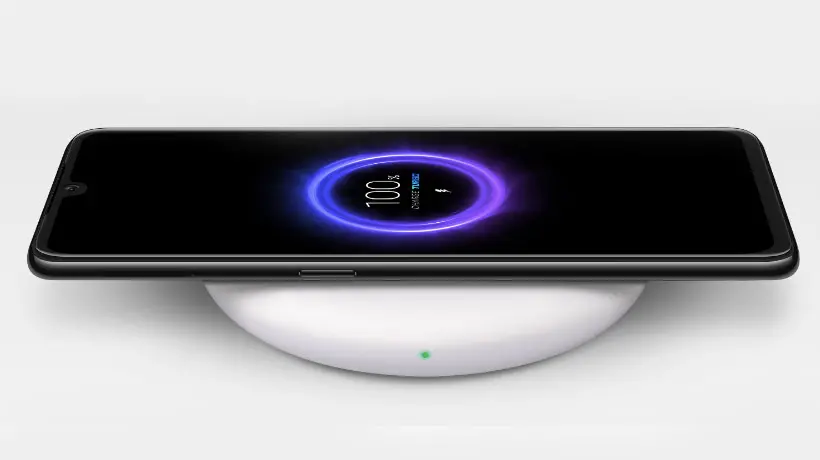
If the transmitter and receiver are not lined up well, losses also get worse.
So there is a clear trade-off. When the distance goes up, efficiency usually drops. If the charger uses much more power than the phone or sensor gets, the setup is just wasteful. For a smartphone, this can show up as slower charging. It can also mean more heat. It may even raise overall electricity use.
For low-power IoT sensors, the situation can look different. A sensor might only need a tiny amount of energy. In that case, getting small amounts of power all the time can be better. Fast recharging of a big battery may not be the main goal.
Long-distance Charging Might Start With Small Gadgets
A shift like this could guide the next phase of wireless power. Most people notice smartphones first since they are easy to spot in daily life.
Still, smaller devices may fit better for early long-range charging.
Think about examples like these:
- Temperature sensors
- Asset trackers
- Smart tags
- Remote controls
- Industrial sensors
- Wearables
- Smart-home add-ons
Many of these items only use small amounts of power. If a wireless setup kept sending tiny power doses, batteries would not need to be swapped as often. The question may not begin with this:
“Can wireless charging replace a phone charger?” It may start with something closer to this:
“Can wireless power help stop the regular battery changes for large numbers of low-power devices?”
That path seems more workable from the start.
Heat Is Still A Big Issue.
Wireless charging has a heat problem of its own. When energy is not used perfectly, the lost energy turns into heat. That heat shows up in the transmitter and receiver, and also in the phone or other device. Phones are extra sensitive to this.
Their batteries do not like high temperatures. If things get too hot, charging can slow down or act oddly. Over time, the battery can also wear out faster.
Because of this, wireless chargers add control steps. They watch the system and adjust power to keep heat in check. As charging gets faster, the heat challenge gets harder. The main task becomes a tradeoff:
More charging power can mean more heat.
So you need more control to manage it.
The next generation of systems will have to improve efficiency. They will not be able to rely only on pushing higher power.
Safety And Electromagnetic Exposure Matter
As wireless power gets stronger, safety rules matter more. Since wireless charging uses electromagnetic fields, it must stay within limits set by safety and regulators. For typical consumer chargers, the design includes detection and power control. This helps make sure energy is not sent when the receiver is not there or is not compatible.
Longer range charging adds more work. A wider broadcast area means the system must figure out a few things:
- Where the device is.
- What power the device needs.
- Whether the device is allowed to receive energy.
- Whether people or other objects are in the active area.
- And whether the system stays within the exposure limits that apply.
So the approach has to be smarter control, not just a stronger transmitter.
Wireless Charging and Life at Home
A smart home may end up being a good place for wireless power. More connected houses now have many small gadgets in use. You can find sensors that watch the basics every day.They may track:
- temperature
- humidity
- movement
- whether a door is open
- lighting conditions
- air quality
- how much energy is being used
When you have lots of sensors, changing batteries can turn into extra work. That upkeep can add time and cost. With wireless power, the same sensors could run for a long time. For example, a low-power sensor that gets energy from a nearby transmitter might not need frequent battery swaps.
Still, that does not mean charging fields will appear everywhere. People will not automatically get “all over” power in every room. The setup has to be practical. The price matters, the efficiency matters, and installation must be reasonable.
Conclusion: From Charging Pads to Charging Environments
Wireless charging has already changed how people power some gadgets. Still, it can do more than remove one cable. The bigger shift is toward power that feels built in. Not just “wireless,” but also easier to use without effort. It should respond on its own and fit into daily routines.
Qi2 and better magnetic alignment help with short range charging. They can make setup quicker and help the connection stay steady. At the same time, work on longer range power transfer asks a different question. Can a device pick up energy without being placed on a pad? But there are hard limits. Physics does not bend for convenience. More distance usually means less efficiency. Pushing more power can raise heat.
Wider area charging can bring safety and rule issues.
Each new design has to weigh comfort against energy use, risk, and cost. So this will not look like one big swap from wired to wireless. It will grow in steps. Phones may still use cables when speed is the top priority. They may also lean on wireless charging for normal use. Wearables and earbuds may end up with magnetic charging as the main method. Small sensors may one day be powered without anyone thinking about batteries. Even electric vehicles could use wireless charging, but only in well planned areas.
The most lasting change might be in how people think.Right now, users notice where the charger sits. Later, the goal is for devices to handle power location in the background. If engineers can manage efficiency, heat, safety, and building support, wireless charging could move beyond a helpful add on. It could become a quiet part of the connected space, so getting power feels less obvious.