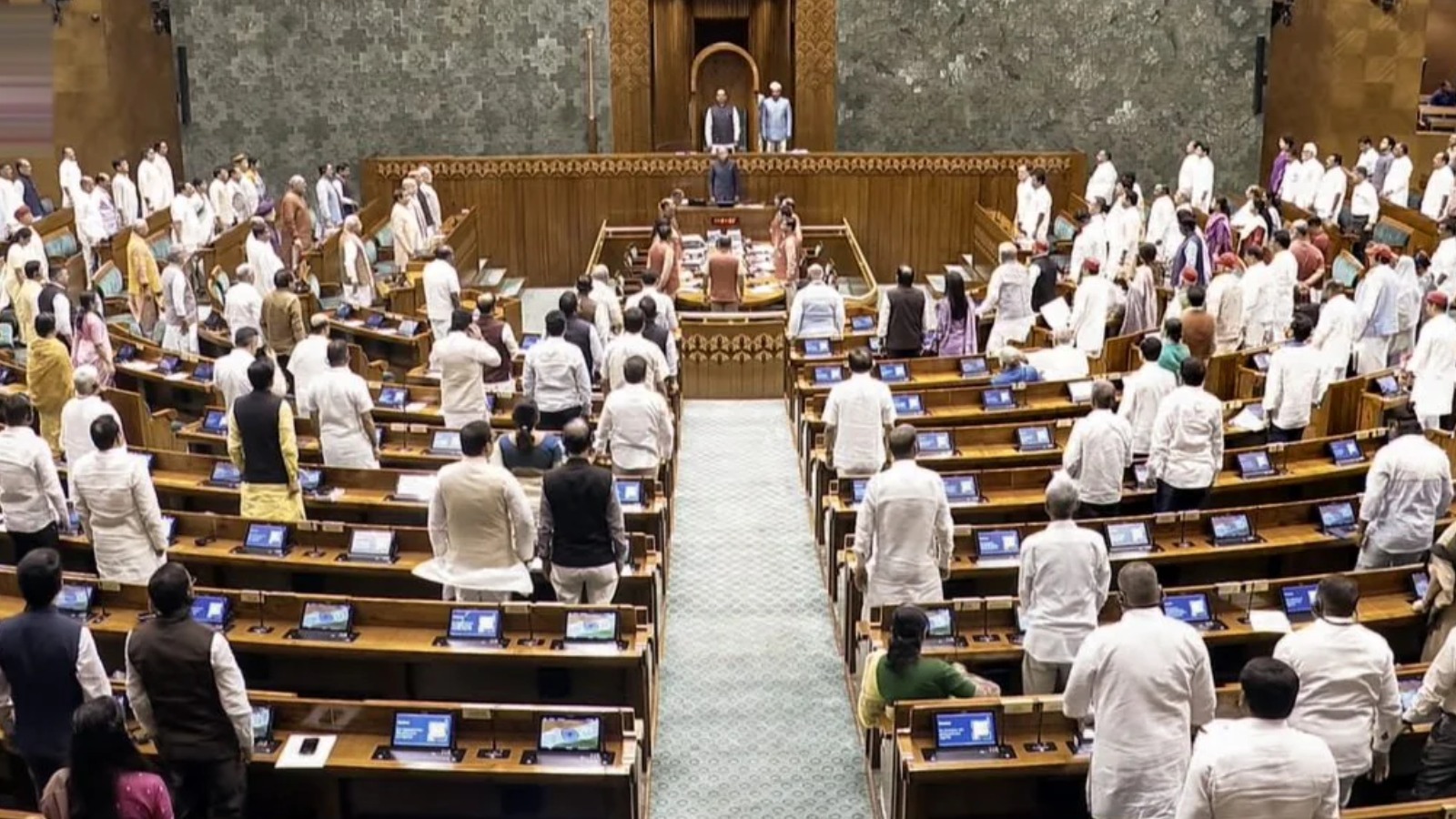
After independence, when the first Lok Sabha was formed in 1952, only 22 women MPs were elected to the House, which was about 4.5 percent of the total number of members. After more than seven decades of democratic journey, this figure has increased to 75 women MPs. It is worth noting that in the 17th Lok Sabha, the number of women MPs had reached the historical level of 78 (14.4 percent), but in the 18th Lok Sabha formed after the general elections of 2024, this graph slipped slightly to 74 and later increased to 75 after the by-elections. The situation is not much different in Rajya Sabha also, where the share of women remains around 13 percent.
On in-depth analysis of the election data, it becomes clear that the biggest reason for the low number of women in Parliament is the lack of tickets to contest elections. Out of a total of 8,360 candidates, only 800 women were in the fray in the 2024 Lok Sabha elections, i.e. less than 10 percent of the total candidates. Out of 543 Lok Sabha seats in the country, there were 152 seats where not even a single woman candidate was contesting. The interesting fact is that women are not at all behind men in terms of their ability to win elections; In 2024, about 9 percent of women candidates won, while the victory percentage of male candidates was 6 percent.
The representation of women in Parliament as well as in the state assemblies of the country is worryingly low. If we look at the data of more than 4,000 MLAs from different states and union territories, the average representation remains less than 10 percent. There is also huge regional disparity in the share of states in the Lok Sabha. West Bengal has sent the maximum number of 11 women MPs to Parliament, whereas in the largest state like Uttar Pradesh, out of 80 seats, women MPs were elected to only 7 seats. On the contrary, due to the reservation system in rural local bodies i.e. Panchayati Raj institutions, today more than 14.5 lakh elected women representatives across the country are holding leadership at the grassroots level.
‘Nari Shakti Vandan Act’ (128th Constitutional Amendment) was passed in 2023 to provide 33 percent reservation to women in Parliament and Assemblies, but its implementation has not been implemented yet due to being linked to the process of census and delimitation. In April 2026, a Constitution Amendment Bill related to expansion of Lok Sabha seats and implementation of women’s reservation before the 2029 elections could not be passed in Parliament due to lack of required two-thirds majority. If seen globally, the share of women in the national parliaments of countries like Sweden, Norway and South Africa is more than 45 percent, while India stands far behind the global average with its figure of 14 percent.