
Food safety is now a major concern in India, with regular inspections, food recalls and questions about what goes into the food we eat. But there is another side to the issue. Can people afford food that is safe to eat?
For families struggling to make ends meet, putting food on the table comes first. They may depend on inexpensive meals from local vendors or buy what fits their budget. But if that food is unsafe, the cost can go far beyond the price of a meal. This is why food accessibility and food safety need to be addressed together.
Speaking to NDTV Food for World Food Day 2026, themed “Innovate Today. Nourish Tomorrow”, IAS Tukaram Mundhe, Commissioner of Food Safety, Maharashtra, explained what India needs to do to make safe food accessible to more people.
“Access and safety are not competing goals. Unsafe food is not truly accessible food,” he said.
Unsafe Food Comes At A Cost
A cheap meal can become an expensive mistake if it makes someone ill. There may be medical bills, days of lost wages and children missing out on the nutrition they need. The problem affects people across the world. According to the World Health Organization estimates cited by Mundhe, unsafe food causes around 866 million illnesses and 1.5 million deaths every year.
India faces a significant burden, too. FSSAI estimates that the country sees around 10 crore cases of foodborne illness every year, costing approximately $15 billion annually. If the problem is not addressed, cases could rise to between 15 crore and 17.7 crore by 2030.
Also Read: Exclusive: India's Food Safety Problem Goes Beyond Just Dirty Kitchens
The World Bank has also estimated that unsafe food costs low- and middle-income countries around $110 billion a year in medical expenses and lost productivity.
For a low-income household, falling ill can mean paying for treatment while losing the income needed to buy food. This makes food safety an affordability issue, too.
“When food is cheap but unsafe, the cost is simply deferred,” Mundhe said.
So, how can India make food safer without making it harder for people to afford their daily meals? IAS Tukaram Mundhe identified five areas that need attention.
1. Help Small Food Businesses Maintain Hygiene
Photo: Pexels
Street food vendors, dhabas, sweet shops and local dairies serve millions of people every day. Their food is often affordable, but some businesses struggle to meet food safety standards.
Tukaram Mundhe pointed out that many fall short because they lack training, clean water or proper cold storage, rather than because they deliberately ignore safety.
The solution is to help them improve their practices while holding them accountable. Initiatives such as Clean Street Food Hub and Eat Right India also encourage better hygiene and food handling. Under Section 32 of the Food Safety and Standards Act, improvement notices can give businesses an opportunity to correct deficiencies.
“Enforcement must be firm, but it must also be fair,” Mundhe said.
2. Pay Closer Attention To Meals Served To Children
Children who depend on school meals, anganwadi nutrition programs and hostel canteens cannot always choose what they eat. This makes the safety of these meals especially important.
Mundhe said PM POSHAN kitchens, anganwadi take-home rations, tribal ashram schools and hostel canteens must be subject to proper checks. “Their kitchens, caterers and suppliers must be licensed, inspected and sampled with the same seriousness as any commercial unit,” he added.
FSSAI's Eat Right School and Eat Right Campus initiatives can also help encourage better food habits and safety practices in institutions.
Also Read: World Food Day 2026: 9 Tiny Tweaks In Your Daily Diet That Can Cut Food Waste Big Time
3. Reduce Food Waste Without Distributing Unsafe Food
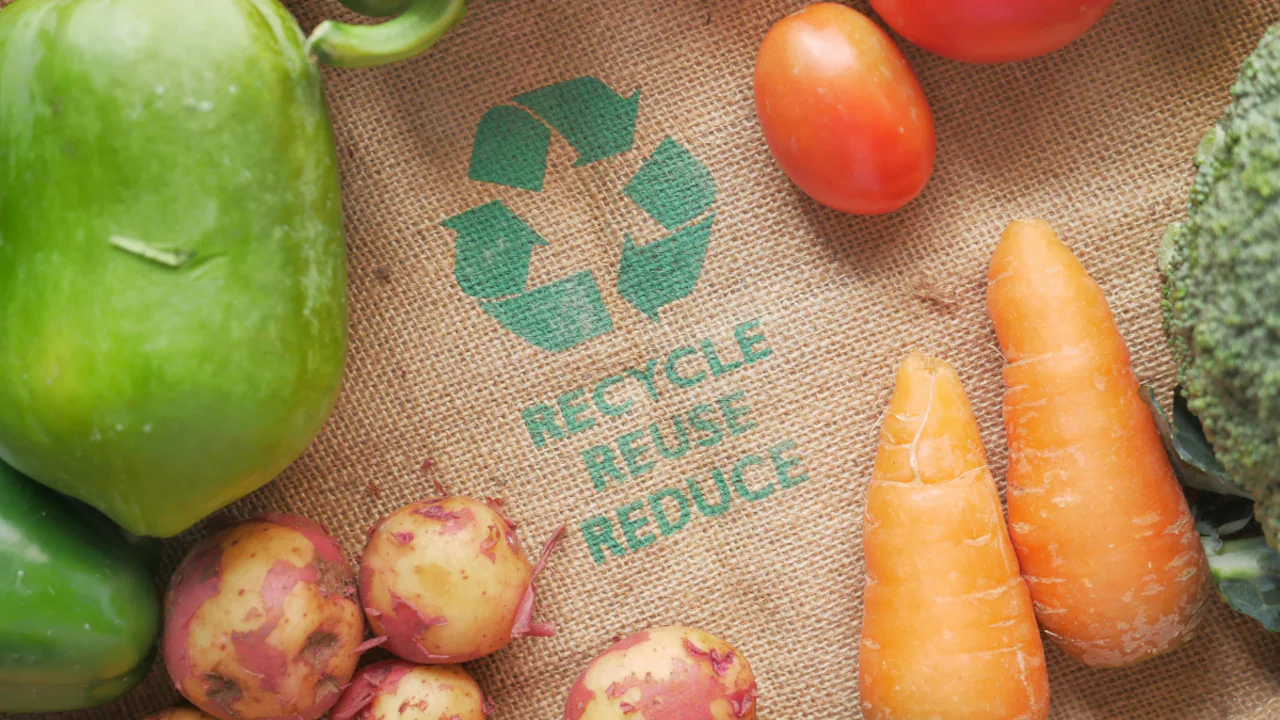
Photo: Canva
India wastes a large amount of food even as many people struggle to afford enough to eat.
The United Nations Environment Programme's Food Waste Index 2024 estimates that Indian households waste around 55 kg of food per person annually, amounting to close to 7.8 crore tonnes.
Mundhe pointed to the Food Safety and Standards (Recovery and Distribution of Surplus Food) Regulations, 2019, which set out requirements for registered organizations collecting and distributing surplus food.
“Reducing this waste is a moral imperative, but redistributed food must be safe,” he added. The aim should be to ensure that surplus food reaches people who need it without putting their health at risk.
4. Make Food Testing Easier To Access
Food safety testing should not be limited by a lack of nearby facilities. Mundhe called for wider use of mobile testing units, rapid test kits and stronger state laboratories.
FSSAI's Food Safety on Wheels initiative takes food testing and awareness activities closer to communities. Rapid test kits can also help identify certain food quality issues, while laboratories can carry out more detailed checks.
5. Remove Unsafe Food From The Market
Businesses should get guidance when they need help improving their practices. But food that is found to be unsafe must not continue to be sold. “Guidance is the first tool, but where food is found to be unsafe, it must be removed from the market without delay,” Mundhe said.
This is particularly important for people who rely on inexpensive food and may have limited options. “Lenient treatment of unsafe food is never a service to the poor,” he added.
India needs to ensure that food safety standards are followed without ignoring the difficulties faced by small businesses and people on limited incomes.
That means training vendors, checking public meal programs, distributing surplus food responsibly and making testing more accessible. It also means acting quickly when food poses a risk.