
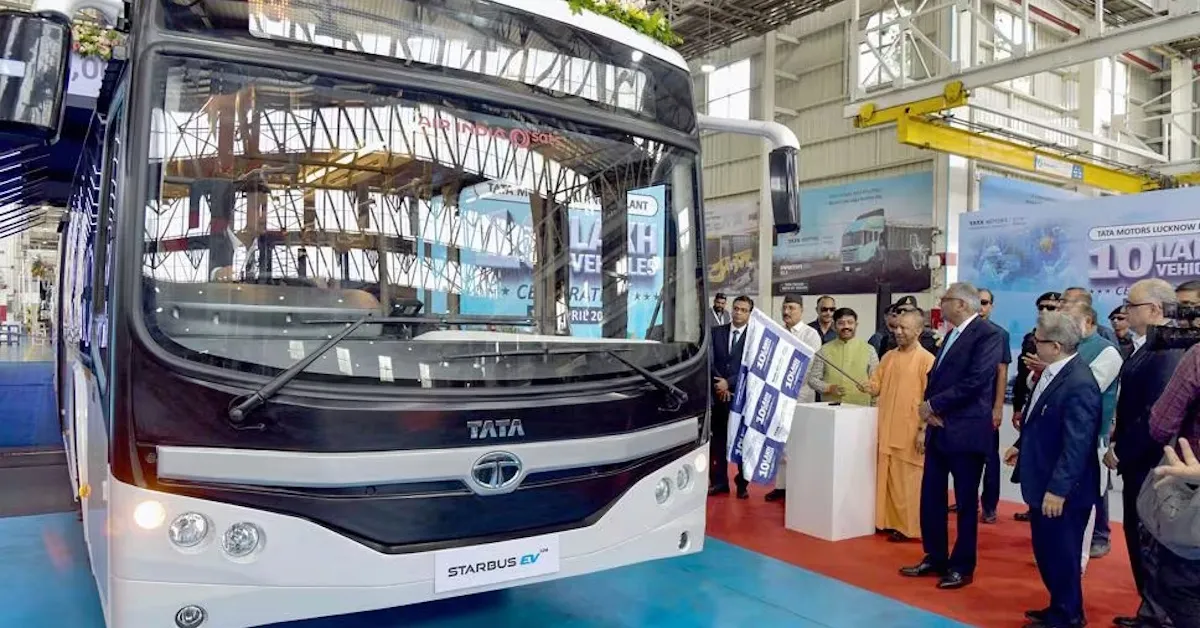

Tata Motors has crossed a major production milestone at its manufacturing facility in Uttar Pradesh. Chief Minister Yogi Adityanath recently flagged off the 1 millionth commercial vehicle built at the Lucknow plant. Importantly, this landmark vehicle was not a traditional diesel truck, but a zero-emission electric bus, pointing directly to the future direction of the commercial vehicle industry.
The rollout event saw the attendance of senior government officials and Tata Sons Chairman N Chandrasekaran, highlighting the strategic importance of the Lucknow facility. The plant has been a cornerstone of the regional industrial ecosystem since it began operations in 1992. Over the past three decades, it has evolved from producing conventional goods carriers to manufacturing advanced passenger transport solutions.
Choosing an electric bus as the milestone vehicle is a deliberate statement by Tata Motors. The commercial vehicle sector is undergoing a major transformation, driven by the need to reduce urban pollution and cut down on operating costs for transport fleets. State transport undertakings across the country are replacing ageing diesel fleets with electric buses, and Tata Motors is positioned strongly in this shift.
The numbers explain why electric buses are drawing so much attention. A city bus typically runs far more predictable and intensive daily duty cycles than a private car. Fixed routes, scheduled depot returns, and high annual utilisation make them especially suitable for electrification.
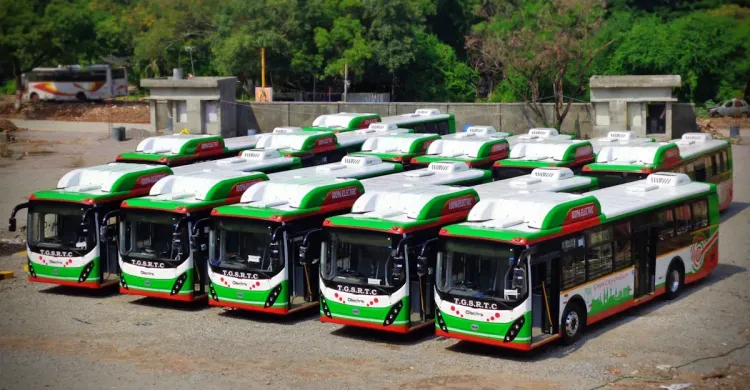
When a vehicle runs long hours every day, fuel savings and lower maintenance costs add up much faster than they do in low-usage segments. That improves total cost of ownership and makes fleet electrification easier to justify, even when upfront purchase prices remain high.
Electric buses also carry a stronger emissions impact per vehicle replaced. One diesel bus running full-day city cycles produces a far greater pollution load than a single private passenger car.
Replacing such vehicles therefore delivers a more visible environmental benefit per unit deployed. That is why public transport electrification has become one of the most practical early use cases in the broader EV transition.
By manufacturing these zero-emission heavy vehicles locally, Tata Motors is directly supporting government initiatives aimed at modernising public transit infrastructure while lowering tailpipe emissions in congested cities. It also helps create domestic manufacturing depth in a part of the EV market that demands heavy engineering capability, software integration, and long-term fleet support.
While it took the Lucknow plant more than three decades to produce its first 10 lakh commercial vehicles, the pace of manufacturing is expected to accelerate sharply from here. During the event, Chandrasekaran expressed confidence that the facility could produce its next 10 lakh units within just the next five years. That is a dramatic shift in pace. Put simply, the plant averaged roughly 29,000 vehicles a year over its first 34 years. To build the next 10 lakh in five years, it would need to average about 2,00,000 vehicles annually. That is nearly seven times the historical average.
Such a target makes sense only if Tata sees a large rise in demand across buses, trucks, and alternative-fuel commercial vehicles. It also suggests that the Lucknow facility is moving from being an important regional manufacturing base to becoming a much more strategically scaled one.
To achieve this growth, the plant will likely need stronger automation, workforce expansion, and additional assembly capacity dedicated to electric and alternative-fuel vehicles. The facility already supports a large ancillary ecosystem in the region. Faster production would therefore have a multiplier effect well beyond Tata’s own payroll, helping local suppliers, logistics operators, fabrication units, and service businesses.

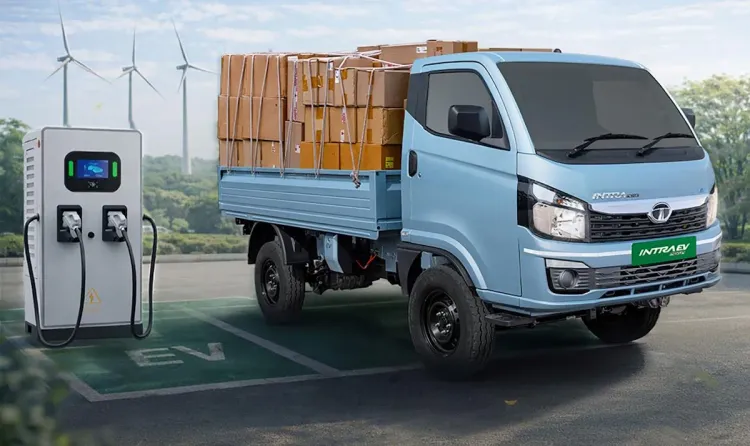
The transition from diesel trucks to electric and alternative-fuel commercial vehicles is no longer just a regulatory requirement. It increasingly makes financial sense for specific fleet operators. Lower running costs and reduced maintenance requirements are improving the appeal of electric buses and light commercial vehicles, even if the purchase price remains higher at the start.
The government is also playing a supportive role by incentivising the procurement of electric buses under central and state programmes. This creates visibility for manufacturers because large institutional orders allow plants to schedule production more efficiently than fragmented retail demand. For Tata Motors, that means the electric bus business is not just a technology showcase. It is a real industrial volume opportunity.
As battery technology improves and cost gaps narrow, adoption is likely to widen beyond state-run bus fleets. Airport shuttles, staff transport, school transport, and urban delivery fleets are all segments where route predictability improves the case for electrification. The long-term durability of electric drivetrains is also emerging as an advantage in fleet use, where reduced mechanical complexity can lower service interruptions over time.
The Lucknow plant is now well placed to serve this next phase of the market. Reaching 10 lakh vehicles is one milestone. The more important story is what Tata chose as the vehicle to mark it: an electric bus. That choice says the company sees the future of commercial mobility not just in building more vehicles, but in building a very different kind of fleet.
Comments are closed.