
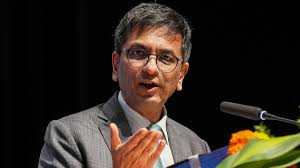
You will be stunned to know the work schedule of CJI DY Chandrachud. Justice Sundaresh reveals the secret – works 17-18 hours every day.

News India Live, Digital Desk: The efficiency and energy of Chief Justice of India (CJI) DY Chandrachud, sitting at the top of the country’s judiciary, has once again surprised everyone. Supreme Court Justice MM Sundaresh has made a big revelation regarding the dedication of the CJI during the inauguration ceremony of a court building in Madurai. Justice Sundaresh told that CJI Chandrachud not only sits on the chair of justice, but behind the scenes he does such hard work which is difficult to even imagine. 17-18 hours working schedule: No rest even during holidays. Justice Sundaresh told the public forum that CJI DY Chandrachud works for about 17 to 18 hours every day. He said that whether it is a working day or holidays, the CJI’s focus always remains on judicial reforms and disposal of pending cases. According to Justice Sundaresh, even when other people are resting, the CJI remains busy with the pile of files and administrative work of the court. Technological revolution and the modern face of the judiciary. During the ceremony, Justice Sundaresh praised the vision of the CJI and said that the inclusion of technology in the judiciary is his contribution. He said that despite working for 17-18 hours, the CJI always tries to digitalize the judicial system with new energy. The inauguration of the new court complex in Madurai is a part of this series, which aims to make access to justice more accessible and faster for the common man. Justice Sundaresh, who has become an inspiration for those working in the field of law, while addressing the young lawyers and judicial officers, said that the life of CJI Chandrachud is an example. If the Chief Justice of the country can work so hard, then every person associated with the legal profession should work with the same honesty and dedication. He stressed that it is the dedication of the CJI that has further strengthened the faith of the people in the Indian judiciary.

Comments are closed.