
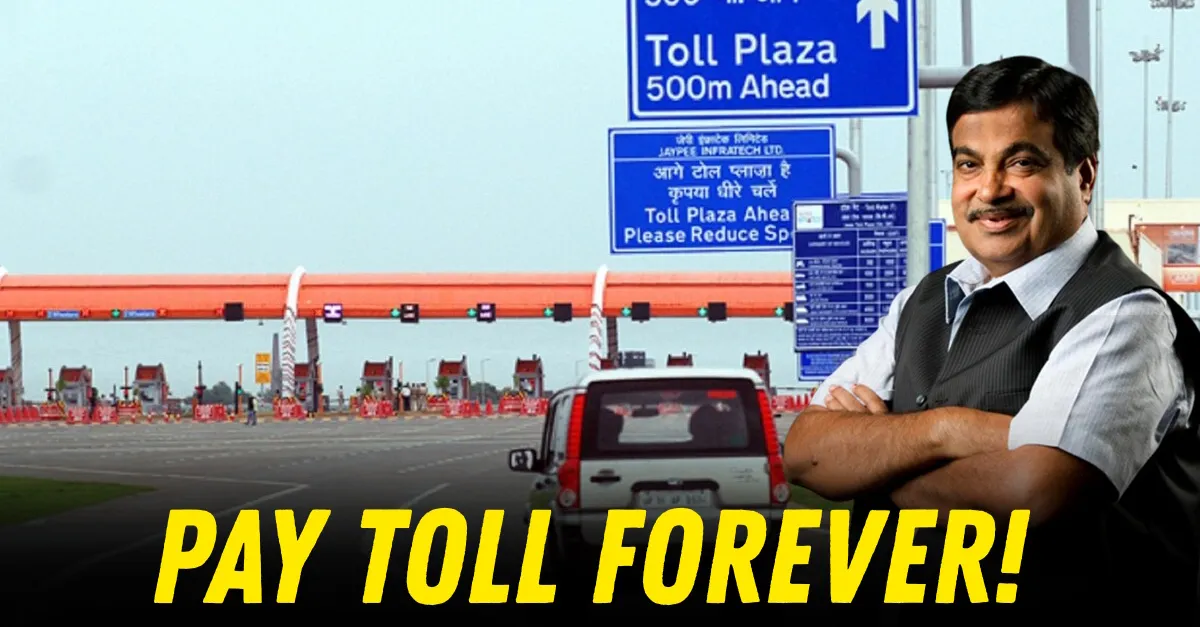

The network of highways in India is expanding rapidly. We are familiar with the tolling system. Toll is essentially the fee that people pay to use the highway infrastructure. Many even think that tolls are temporary and plazas would go away once the money spent to construct the road is recovered. This is, however, not the case. The reality is that citizens will end up paying toll forever. Let’s take a closer look.
Owning a vehicle is getting increasingly expensive these days. You pay 28% GST when you buy a car. You are paying a tax each time you fill fuel in it. And now, every time you use a highway to travel, you end up paying a toll fee! Sounds unfair?
A key amendment, quietly made to the National Highways Fee Rules in 2008 has brought about this situation that many would describe as unwarranted. It has reshaped how tolling works in the country. It has reshaped tolls from a way to recover construction costs to a fee that needs to be paid to use the infrastructure- all without making much noise.
According to the amended set of rules, toll collection no longer has a fixed end point! Plazas won’t disappear even after the project cost was completely recovered. They will, instead, be reduced, often to around 40% of the original rate. The plaza would continue to operate. In simpler terms, you are not paying off a road. You are instead paying a recurring usage fee for the infrastructure.
Now comes the trickier part. Whenever a highway is upgraded, say from four lanes to six lanes, the cost recovery cycle resets! The reduced rates become invalid, and you will have to ‘pay for’ the road which you had previously ‘paid for’ completely! In short, even if a project reaches full recovery, any major upgrade to the highway would effectively reset the toll structure.
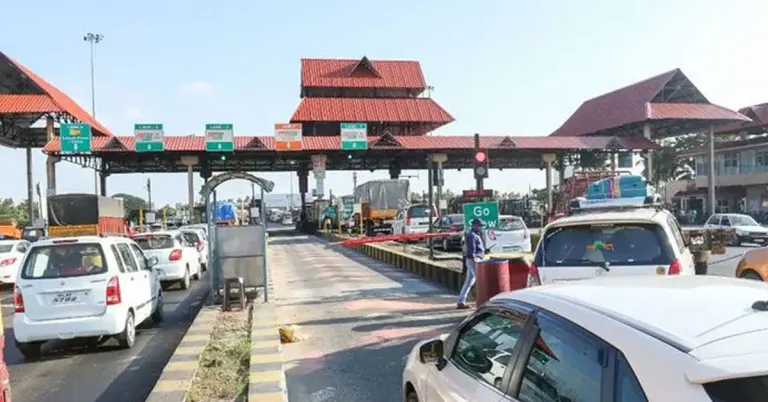
India’s highway development has been funded heavily through credits. The National Highways Authority of India (NHAI) carries a debt of around ₹2.35 lakh crore. The tolling system is part of a long-term plan to clear this debt. The timeline for the same stretches all the way to 2050. For many, this effectively turns toll payments into something like a national EMI.
Over the past few years, the revenue from toll collection has increased sharply in India. In 2005-06, it stood at just over Rs 1000 crores. By 2023-24, it spiked to Rs 55,000 crores. The highway network and its usage boomed during the period. Another major reason is the introduction of FASTag. It was mandated in late 2019, making toll payments hard to bypass. Yes, it also made them fast and seamless.
India’s tolling system isn’t something that has always stayed perfect. There have been cases where it has not worked as intended. The national auditor- the Comptroller and Auditor General (CAG), a constitutional authority established to audit all receipts and expenditures of the Union and State governments, had previously identified multiple instances where toll rates were not reduced after full cost recovery.
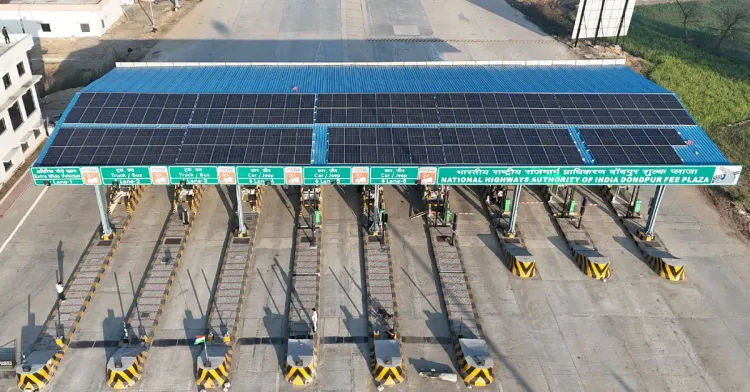
In some parts of Southern India, this led to excess collection worth approximately 180 crores. There have also been cases in which older infrastructure continued to be tolled despite rules suggesting otherwise.
Circling back, the centre has already admitted the perpetual nature of toll collection. Last year, when discussions (read: questions) around the tolling system were hot, Union Minister Nitin Gadkari openly stated that tolls are collected in perpetuity.
Addressing the Rajya Sabha then, he also stated that there is no need for toll audits and described tolls as the user fee that the government collects from those using national highways. He also said that the rates would be revised annually, as determined by the National Highways Fee Rules, 2008.
These rules state that during the concession period, tolls would be collected as per the concession agreement. After it, the collection would be transferred to the government or its agencies.
This system can lead to toll collections worth much more than project costs. Here’s a recent example- the Mumbai-Pune expressway reportedly had a project cost of Rs 2,585 crores. Toll revenue from the same has crossed Rs 9,929 crores so far. That’s nearly four times the original cost.
Clearly, tolls are a great business model for private operators and the government itself. Companies operating under the Build-Operate-Transfer (BOT) model generate significant revenue from toll collection. Profit margins in this segment can range between 45% and 55%.
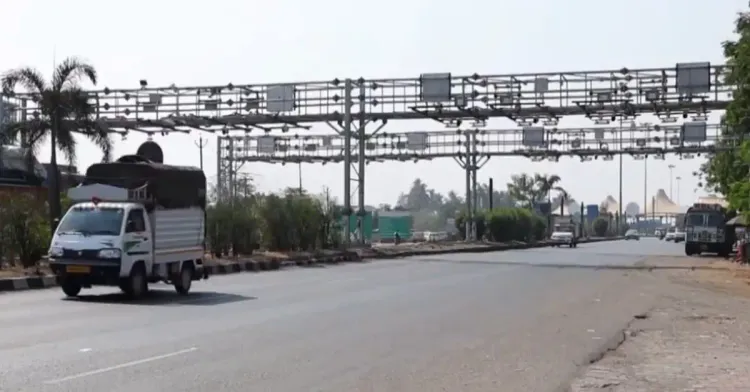
Going forward, the government plans to introduce barrier-free toll plazas that would allow smooth, seamless traffic flow. The first of this kind is already open. These will use cameras, sensors, and RFID readers to automatically collect tolls using FASTag.
In simple terms, owning and using a car is getting increasingly expensive. When you buy a car, you are already paying GST, compensation cess, and road tax. None of these are small amounts. Each time you refuel, you pay central and state taxes. And for using highways, you pay tolls !
The official explanation is that each of these serves a different purpose. Road tax is for state roads. Fuel taxes go into a broader pool. Tolls are meant for ‘premium’ highway experience. However, from a user’s perspective, the overlap and financial pressure are both hard to ignore. The harsh reality is that they aren’t going away anytime soon.
Comments are closed.